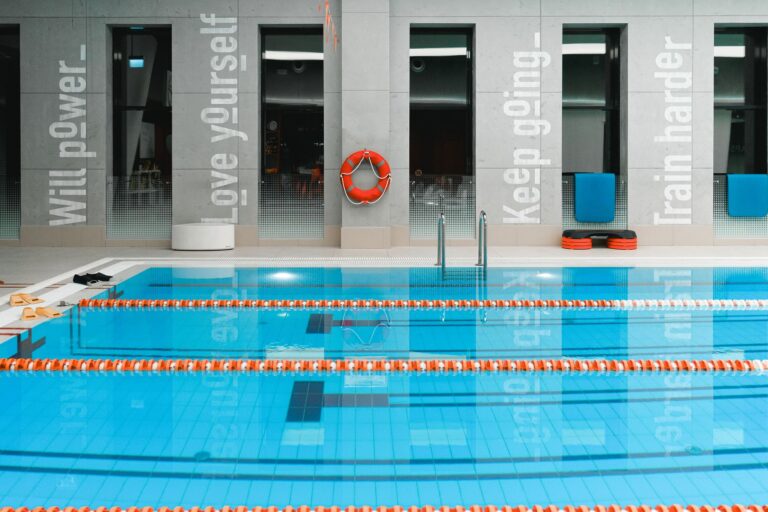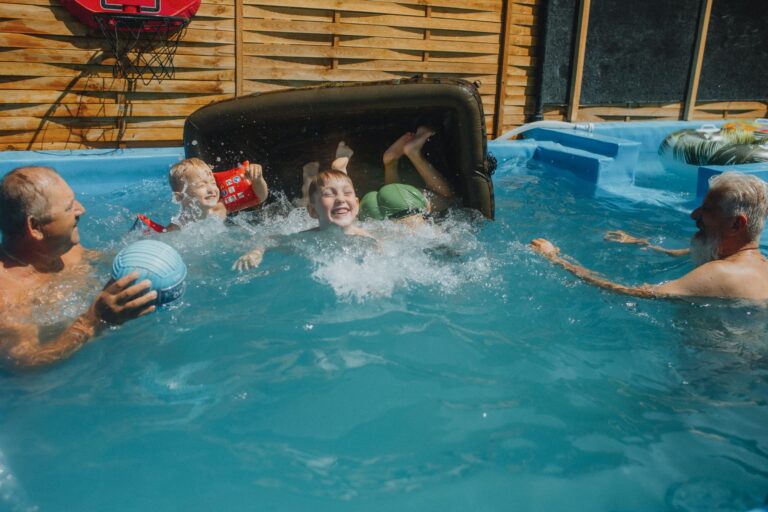

When urine enters chlorinated water, it raises chlorine demand, can form chloramines, and often explains the sharp smell people blame on “clean” water. The chemistry is manageable, but it is not trivial.
If you share a lane, manage a facility, or bring kids to public swim, you need the practical signs and the fixes. The issue sits at the intersection of pool water chemistry, sanitation, and everyday behavior.
What happens when urine reaches pool water
A small amount of urine does not turn a pool into a biohazard. It does add nitrogen compounds that force chlorine to do extra work before it can keep disinfecting the water.
That matters because free chlorine is the active sanitizer in the pool. Once it reacts, the reserve drops, water balance can drift, and combined chlorine may rise; in a crowded public pool, repeated contamination becomes part of the larger bather-waste load.
Nitrogen compounds raise the sanitizer demand
Urine contains urea, uric acid, and traces of ammonia-related material. Those compounds do not sit quietly in chlorinated water; they react and consume sanitizer capacity.
The Centers for Disease Control and Prevention treats urine as one part of swimmer waste, not the only issue. Its guidance pairs hygiene with filtration because pool sanitation depends on circulation and chemistry working together.
Heavy bather load makes the problem larger
A single splash from one swimmer gets diluted quickly in a large pool. Repeated contamination over an afternoon changes the picture, especially in shallow teaching pools and busy hotel pools where turnover is slower.
The American Chemistry Council and the Pool and Hot Tub Alliance both note that urine in swimming pools increases chlorine demand. That extra demand leaves less active sanitizer for the rest of the water and sets up the odor problem that follows.
That extra demand also sets the stage for a familiar odor that many swimmers mistake for cleanliness.
Why that sharp pool smell signals chloramines
The harsh smell people call “strong chlorine” usually points to chloramines, not fresh sanitizer. Chloramines form when chlorine meets urine, sweat, and other nitrogen-bearing waste.
That is why a pool can smell worse while the water still looks clear. The odor often means combined chlorine has climbed, and the air above the water can be part of the problem too.
Combined chlorine is the real flag
Combined chlorine is chlorine tied up in chloramine compounds. It is a useful warning sign because it shows the pool is carrying bather waste and not fully oxidizing it.
The Environmental Protection Agency explains that these reactions produce the pungent odor often blamed on “too much chlorine.” In practical terms, the smell points to chloramines in pool water, not a healthy surplus of sanitizer.
Indoor pools need extra attention. Poor ventilation lets trichloramine collect above the waterline, and that gas can sting eyes and bother the airways long before the pool looks dirty.
Indoor air makes irritation worse
Trichloramine is the compound most linked with eye irritation and respiratory irritation in enclosed aquatic spaces. It rises into the air, which means swimmers can feel it in the nose and throat even when the water still passes a basic visual check.
That is why a locker-room chemical smell can mean ventilation trouble, not just water trouble. Once you know that, the chemistry behind the odor becomes much easier to read.
Because the smell can come from multiple sources, the underlying reactions deserve a closer look.
The chemistry behind contamination and odor
Urine carries compounds such as urea and uric acid, and chlorine reacts with them in stages. The reaction chain can form monochloramine, dichloramine, and trichloramine, which drive much of the odor and irritation people notice.
Peer-reviewed work in Water Research and related pool-chemistry studies shows the process is not one quick splash-and-done event. Chlorine keeps oxidizing nitrogen compounds, and that ongoing reaction drains sanitizer and creates disinfection byproducts.
What the markers show in water
Scientists have also used acesulfame potassium as a tracer for human waste in pool water and hot tubs. It matters because that sweetener passes through the body and leaves a clue that human waste markers are present, even when nobody can point to a single swimmer.
That does not mean one person can be identified from the water itself. It means the chemistry leaves a footprint, and testing can catch that footprint better than smell alone.
Common pool markers and what they mean
| Marker | What It Signals | Why It Matters |
|---|---|---|
| Combined chlorine | Chlorine bound to nitrogen waste | Shows sanitizer is tied up and odor risk is rising |
| Urea | Main nitrogen compound in urine | Feeds chloramine formation after oxidation |
| Acesulfame potassium | Human waste tracer | Helps researchers detect human input in water |
| Trichloramine | Airborne chloramine | Linked with eye and airway irritation indoors |
That table shows the key point: the issue is chemistry, not embarrassment. Once you know what the markers mean, the next question is whether anyone can spot the source in real time.
Those chemical clues help, but spotting the source in the water is another matter entirely.
How detectable urine really is in a pool
Laboratory methods can detect urine markers in pool water, but that does not let a lifeguard or owner identify one swimmer. The signal is diluted, mixed, and altered by chlorine before it ever reaches a test strip or lab instrument.
You also cannot see a single person peeing in a pool unless the act is obvious in the moment. What you can detect is the chemistry it leaves behind, and that distinction matters more than gossip or guesswork.
Chemical detection beats visual guessing
Studies can pick up human waste markers in swimming pools and hot tubs, but the pool surface gives little away. A busy lap lane, a splash pad, and a family pool all hide the same fact: one small event blends into a very large body of water.
That is why water quality teams focus on testing, circulation, and combined chlorine rather than trying to name a culprit. A clear pool can still carry a chemical signature of bather waste.
Why one person rarely stands out
A standard public pool may hold tens of thousands of gallons. A small release vanishes fast in that volume, so the chemistry is the clue, not the human eye.
That leads straight to a stubborn myth about timing, which has spread far beyond the pool deck.
That uncertainty is why a catchy countdown has endured, even though it has little basis in reality.
The 21-second pee rule and other myths
A 21-second countdown has nothing to do with pool safety and is only a joke. It pretends chlorine neutralizes urine on contact, but the real story is chlorine demand and byproduct formation.
Urine in swimming pools is not harmless just because the water still smells sharp. Chlorine reacts with the waste, gets consumed, and leaves behind chloramines that can irritate eyes and airways.
There is no useful grace period in which urinating in the water becomes chemically irrelevant. The smarter question is whether sanitizer levels, pH, turnover, and ventilation stay in range after bather load rises.
Why the joke misses the chemistry
The myth treats chlorine like a magic eraser. In reality, free chlorine has to split its attention between germs and nitrogen compounds, and that trade-off can lower the disinfecting reserve.
The CDC and the EPA both point swimmers back to bathroom breaks, showering before entry, and better hygiene. Those habits reduce combined chlorine buildup far more than any joke about a countdown ever will.
What to watch instead
Look for drift in combined chlorine, rising odor, cloudy air in indoor spaces, and irritated eyes after only a short swim. Those signs tell you more than folklore.
From there, the right response is simple and operational, not theatrical.
Good maintenance beats folklore, and a few consistent habits keep contamination far lower.
Pool practices that keep contamination low
Clean pool habits start before anyone touches the ladder. Showering, using the restroom, and keeping sick swimmers out of the water lower the amount of waste the system has to handle.
Operators need the same discipline on the mechanical side. Sanitation, filtration, pH control, and ventilation all work together, and one weak link can turn urine in swimming pools into odor and irritation.
Swimmer habits that help
- Shower first. Rinsing off sweat and oils lowers the nitrogen load that reaches the water.
- Use the restroom. A bathroom break keeps urine out of the pool and away from the sanitizer.
- Take kid breaks. Young children need regular restroom trips, not guesswork.
- Skip the pool while sick. Illness and poor control both raise contamination risk.
Operator controls that matter
- Track free chlorine. The active sanitizer has to stay in the local code range.
- Watch combined chlorine. Rising combined chlorine signals bather waste and weaker oxidation.
- Hold pH in range. Bad pH can make water sting and reduce sanitizer performance.
- Check ventilation. Indoor pools need strong air exchange to clear trichloramine.
- Keep turnover steady. Filtration and circulation move contaminants out of the swimmer zone.
A crowded municipal pool on a hot afternoon may need more attention than a quiet backyard setup, and that difference is real. The same chemistry applies, but the maintenance margin is much thinner in public water.
Public pools need far more attention, which makes the final takeaway easy to see.
Final thoughts
Urine in a pool is not the headline danger, but it does change the water. It raises chlorine demand, helps form chloramines, and can leave a strong smell that points to poor balance rather than clean sanitation.
Your best defense is simple: better swimmer hygiene, steady testing, and good air and water flow. In public swimming pools, those habits matter even more because the bather load rises fast and the chemistry has less room to recover.
FAQ
Does urine contaminate a pool?
Yes. It adds nitrogen compounds that react with chlorine, raise combined chlorine, and lower water quality. The impact grows with crowd size, weak filtration, or poor chemical control.
What is the 21 second pee rule?
It is a joke, not a real health standard. The myth suggests chlorine neutralizes urine almost instantly, but the real issue is chlorine demand and chloramine formation.
Can urine be detected in a swimming pool?
Laboratory methods can detect urine markers such as acesulfame potassium and other human waste signals. A lifeguard or owner cannot reliably spot one swimmer from the water itself.
Can you see if someone is peeing in the pool?
Only the act itself can be seen, and that depends on timing and position. Once urine mixes into a large pool, it becomes invisible and shows up mainly through chemistry.
Why does a pool smell like chlorine if chlorine is working?
The sharp odor usually comes from chloramines, not clean free chlorine. Those compounds form when chlorine reacts with urine, sweat, and other bather waste, and they can irritate eyes and lungs.
What should pool owners do about urine in swimming pools?
They should keep free chlorine, pH, filtration, and ventilation in range, and they should post clear restroom and shower rules. Regular testing for combined chlorine helps catch trouble before odor and irritation spread.