
Chlorine smell in pool water is usually a sign of chloramines, not extra sanitizer. Those byproducts form when chlorine reacts with sweat, urine, body oils, and other nitrogen-rich debris, and the sharp odor often points to poor water balance, weak circulation, or weak airflow.
If your pool smells harsh, you need a test-and-fix sequence that targets the real cause. That matters for backyard pools, indoor natatoriums, and crowded spas where odor can build fast.
What The Chlorine Smell Usually Signals
A sharp pool odor usually means the sanitizer is working against contamination, not that the water has too much of it. Chloramines form when chlorine meets sweat, urine, cosmetics, and other nitrogen-containing waste, and the smell is the clue rather than the culprit.
The CDC says a strong pool odor often points to chloramines and poor ventilation rather than healthy sanitation. U.S. EPA guidance aligns with that view: odor alone does not tell you whether the water is properly sanitized.
Chloramines are the real source of the odor
Chloramines are combined chlorine compounds created after free chlorine reacts with organic waste. The main ones are monochloramine, dichloramine, and trichloramine, and the last one is the harshest around the eyes, nose, and throat.
Free chlorine is the active sanitizer in the water. Combined chlorine is the leftover load tied up in byproducts, and that is the part that tends to smell like a locker room and burn the nose. A pool can reek of chlorine even when sanitation is slipping.
A strong odor can signal a water quality problem
A healthy pool should not hit you with a hard chemical smell at the surface. When it does, the water may be carrying too much bather waste, weak oxidation, or poor disinfection support from bad pH or poor circulation.
PubMed-indexed research on indoor pool air links higher chloramine exposure with eye and airway irritation, which fits the practical complaint most people make first: the water looks fine, but it feels wrong. That leads straight to water testing and the sample bottle.
Sharp odor near the deck line is a clue. The air just above the water can hold more chloramines than the bulk water, so your nose may react before your eyes do.
Once you know the smell is a chemistry signal, the next step is to check the numbers that explain it.
That chemistry check leads straight to the measurements that reveal whether the water is out of balance.
The Water Tests To Check First
Start with free chlorine, combined chlorine, and pH. Those three numbers tell you whether sanitizer is active, whether chloramines are building, and whether the water chemistry is helping or fighting the chlorine.
Cyanuric acid belongs on the list for outdoor pools, and basic sanitation checks matter when the smell stays even though the chlorine reading looks normal. That pattern usually means the odor source is being fed faster than the pool can handle it.
Free chlorine shows active sanitizer
Free chlorine is the portion still available to work in the water. A normal-looking total chlorine number can hide a problem when the free portion is low and the combined portion is high.
Pool stores and service pros use this distinction because total chlorine alone misses the source of the smell. You need the split, not just a single number on a strip.
Combined chlorine shows chloramine load
Combined chlorine is the smoking gun for that harsh pool odor. When this number climbs, chlorine is reacting with contamination faster than the system clears it.
A pool can still look clear at this stage. Clear water tells you little about odor, irritation, or the amount of combined chlorine hanging in the water and air.
pH and cyanuric acid shape chlorine performance
pH near the proper range helps chlorine work and keeps swimmers more comfortable. High pH weakens sanitizer performance, while low pH can make water feel harsh on skin and eyes.
Cyanuric acid matters in outdoor pools because it protects chlorine from sunlight, but too much can slow the amount of active sanitizer available. That balance helps explain why a chlorine smell in pool water can linger even when the free chlorine reading looks usable.
- Test free chlorine first so you know how much active sanitizer is actually available.
- Check combined chlorine next because that number shows chloramine buildup more directly than total chlorine.
- Measure pH after that since sanitizer works poorly when water drifts too high or too low.
- Add cyanuric acid for outdoor pools only after you know whether sunlight protection is already in range.
That testing order keeps you from treating the wrong problem, and it also points you toward the circulation and room-air issues that can keep the odor alive.
When the readings look off, circulation and stale air often explain why the odor lingers indoors.
Indoor Pools And The Ventilation Problem
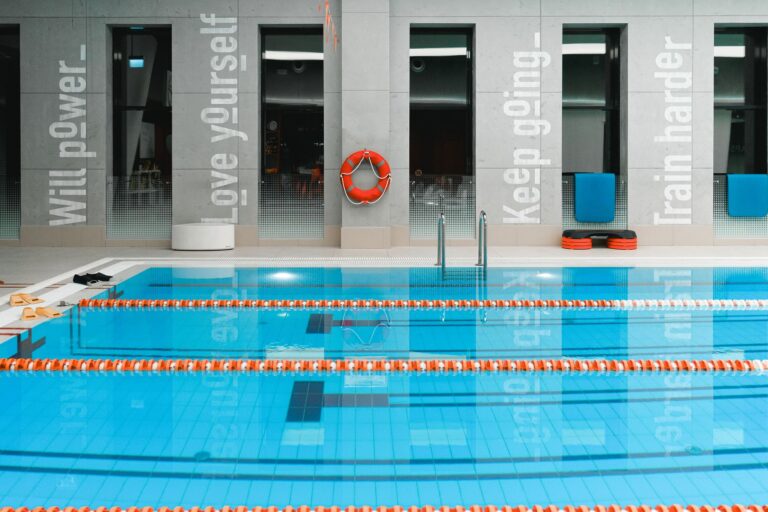
Indoor natatoriums can smell worse than backyard pools because the air has nowhere to go. Chloramines rise off the water, then hang near the surface, the deck, and the breathing zone when exhaust and make-up air are weak.
The water may be cleaner than the room feels. That split is common in school pools, hotel spas, and recreation centers, where a low ceiling and slow air exchange trap trichloramine close to swimmers.
Stale air traps the smell above the water
Trichloramine is volatile, so it escapes into the air faster than the other combined chlorine species. Once it sits in a closed room, the odor can feel strong even when the bulk water is only mildly off balance.
CDC Healthy Swimming materials point to ventilation as part of the fix because water treatment alone cannot clear a room filled with chloramine-laden air. A clean filter does not help much if the air handling is poor.
Poor circulation makes the room and water feel worse
Weak circulation leaves dead spots where contaminants collect and sanitizer moves slowly. Those areas feed odor, and the smell returns faster after swims, lessons, or lap sessions.
Picture a busy indoor school pool after afternoon classes. The water may still look bright blue, yet the air stings because the load from many swimmers sits in a room with stagnant air and slow turnover.
Improving airflow can cut the harsh smell before chemistry is fully corrected. That matters in enclosed pools, where the air can carry the complaint even after the water starts to recover.
Once you improve air movement, the water itself still needs a cleanup plan so the odor does not settle back in.
Better airflow helps, but the water still needs attention before the smell can truly clear.
Fixing The Odor Without Chasing It
Shock treatment can knock down chloramines, but only when the underlying load has been reduced enough for the chlorine to oxidize it. Add more sanitizer to a pool that keeps getting fed sweat, urine, or debris, and the smell returns just as fast.
The sequence matters. Filtration, pool circulation, pH balance, and sanitizer level all work together, and putting them in the wrong order can waste chemical and time.
Shock works only when the source is under control
Breakpoint chlorination is the chemistry behind clearing chloramines. The goal is not a random chlorine dump; it is enough active chlorine to oxidize the nitrogenous waste and clear the combined chlorine load.
A backyard pool after a crowded party is the classic example. A proper shock can help after the water is brushed, filtered, and retested, but it will not hold if the pool keeps receiving the same input the next day.
Filtration and circulation have to move the water
Dirty cartridges, clogged sand beds, weak pumps, and dead zones can leave odor behind after chemical correction. Water that does not move well cannot carry waste to the filter or sanitizer through the full system.
One service tech rule applies here: clean the filter, brush the walls, and run the pump long enough for the water to turn over. Without that, the smell clings to the pool surface like smoke in a closed room.
- Brush first to loosen waste so the filter and sanitizer can reach it.
- Clean the filter because clogged media slows turnover and traps odor-causing debris.
- Run the pump longer so the water can circulate through the sanitizer path.
- Retest afterward to confirm the smell is dropping along with combined chlorine.
pH balance comes before aggressive chemical changes
Sanitizer works best in balanced water. High pH slows chlorine activity, and low pH makes the water harsher even when sanitation is decent.
So the order is simple: test, adjust pH, check free chlorine and combined chlorine, then decide whether shock, circulation work, or filtration service makes the most sense. That sequence keeps you from throwing chemicals at the wrong problem.
With the water corrected, the next pressure point is the load swimmers bring in every time they enter.
Once the water is corrected, swimmer behavior becomes the next place to reduce the buildup.
Swimmer Habits That Keep Chloramines Down
Body oils and waste drive chloramine formation, so swimmer behavior matters as much as maintenance. Showering before entry, using the restroom before swimming, and avoiding pool time during stomach illness all lower the contaminant load.
The CDC and the Pool and Hot Tub Alliance frame this as routine pool care, not etiquette. The water pays the price when bathers bring in sweat, urine, sunscreen, and grime.
Pre-swim hygiene lowers the load
- Shower with soap before entry to wash off sweat, lotions, and skin oils.
- Use the restroom before swimming so urine does not feed combined chlorine.
- Avoid swimming sick with diarrhea, which adds a heavy contamination load.
- Rinse after lotions or heavy sunscreen use to cut residue in the water.
Each habit removes a little demand from the sanitizer. Over a busy weekend, that small difference can decide whether the pool smells clean or sharp.
Pool habits matter as much as service work
Good hygiene helps the sanitizing system keep up, especially in warm water and crowded settings. Spa water is the hardest case because heat and aeration push chloramines into the air fast.
Here is the practical takeaway: the water cannot stay pleasant if every swimmer adds a new source of chloramine. That is why routine care belongs with hygiene, not after it.
Even good maintenance can fail if too much contamination keeps entering the pool each day.
Knowing When The Pool Is Too Strong To Ignore
Smell alone cannot prove a pool is unsafe, but a harsh odor deserves attention. The CDC says a properly maintained pool should have little to no odor, and a strong one can signal poor water quality, bad ventilation, or both.
Eye sting, skin irritation, coughing, and throat burn are the warning signs that chloramines may be building in the water or the room air. The smell is the opening clue; the symptoms tell you to stop guessing.
Symptoms point to a stronger response
Red eyes after a short swim, rough skin after showering, or a scratchy throat near the deck are not normal pool sensations. They can come from chloramines in the air or from water balance that has drifted out of range.
A hotel spa with a sharp odor is a classic red flag because warm water and small volume speed up chloramine formation. The same smell in a crowded indoor lane pool deserves the same level of attention.
Stop swimming and retest when the odor stays strong
Intense, persistent odor paired with poor readings calls for a pause. Retest free chlorine, combined chlorine, and pH, inspect circulation and filtration, and check the room air in indoor facilities.
That chlorine smell in pool water is less a sign of extra sanitizer than a sign that the system is losing the fight against contamination. Once you treat the cause, the smell drops with it.
So the safest response is simple: test, correct, and retest before anyone gets back in.
A strong odor means action should be immediate, with a fresh test confirming the fix worked.
How To Prevent The Smell From Returning
Prevention depends on routine testing, steady sanitizer balance, and equipment that actually moves water. If you keep the numbers in range and the system clean, the odor has far less chance to build up again.
The best prevention plan also keeps an eye on pool water balance and ventilation, especially in indoor spaces where chloramines can collect in the air faster than the water changes.
- Test on schedule so free chlorine, combined chlorine, and pH do not drift for days at a time.
- Keep circulation moving with enough pump run time to eliminate dead spots.
- Service filtration regularly because clogged filters slow cleanup and let odor linger.
- Track cyanuric acid in outdoor pools so chlorine stays protected without becoming sluggish.
- Watch ventilation indoors because stale air can make a mild water issue smell much worse.
Pool water balance and ventilation work as a pair, not as separate chores. When one slips, the smell often follows within a day or two.
That connection is why steady upkeep matters, especially when the goal is a pool that stays comfortable.
Final Thoughts
A harsh pool odor is a chemistry clue, not a scent to chase by adding more chlorine. Check free chlorine, combined chlorine, pH, circulation, and ventilation in that order, then fix the source of the contamination so the smell does not return.
FAQ
Why does my pool smell like chlorine if chlorine is supposed to be clean?
The smell usually comes from chloramines, which form when chlorine reacts with sweat, urine, and other nitrogen-containing waste. Clean water sanitation depends on active free chlorine, not the sharp odor tied to those byproducts.
Does a strong chlorine smell mean there is too much chlorine in the pool?
No. A strong odor more often points to combined chlorine and chloramines, not excess active sanitizer. The smell can appear even when free chlorine is low and the water needs attention.
What causes chloramines in pool water?
Chloramines form when chlorine meets sweat, urine, body oils, cosmetics, and similar contamination. Heavy bather load, poor pH balance, weak circulation, and weak filtration all help them build up.
What pool test numbers should I check when the smell is strong?
Start with free chlorine, combined chlorine, and pH. For outdoor pools, add cyanuric acid to that list, because too much of it can slow the amount of active sanitizer available.
How do I get rid of the chlorine smell in my pool?
Test free chlorine, combined chlorine, and pH, then clean the filter, brush the pool, and run circulation long enough to move the water. Shock can help when chloramines are the issue, but it works best after the source load has been reduced.
Is it safe to swim in a pool that smells strongly like chlorine?
A strong odor does not prove danger, but eye sting, coughing, skin irritation, or a persistent harsh smell calls for a pause. Stop swimming, retest the water, and check ventilation and sanitation before anyone gets back in.