Don't miss our holiday offer - up to 50% OFF!

Pool Filter Pressure Gauge: Readings, Cleaning, and Repairs

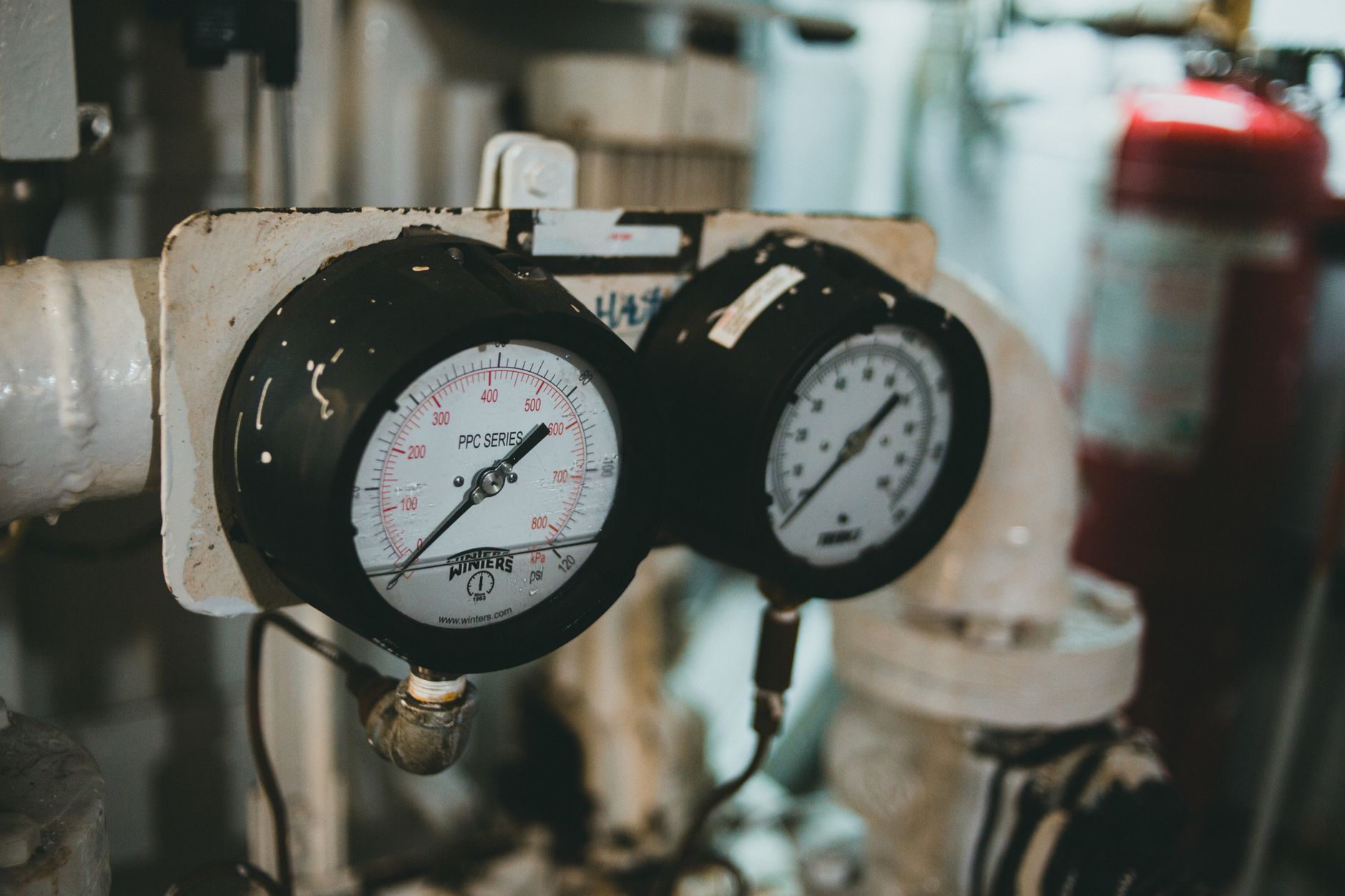
Pool filter pressure gauge is a pressure meter mounted on the filter tank that shows system resistance, not water flow. You read it against your own clean baseline, because a jump or drop only matters when you know what normal looks like on that pool.
That matters whether you service a sand filter, cartridge filter, or DE filter. If you manage a variable-speed pump, a spa setting, or a heater loop, the number shifts with the setup you choose.
What The Gauge Is Really Telling You
A pressure reading tells you how hard water must push through the pool circulation system. It does not measure gallons per minute, and it does not tell you whether the water is clean.
That difference is practical, not academic. A variable-speed pump at 1,800 RPM can show a very different reading from the same filter at full speed, even though both are normal for their own settings.
Pressure Reflects Resistance, Not Flow
Water meets resistance anywhere the path narrows, bends, or loads up with debris. The gauge senses that resistance inside the filter tank and the plumbing ahead of it.
Hayward, Pentair, and the Pool and Hot Tub Alliance all treat the gauge as a service tool for system pressure. A rising number usually means the filter media is loading with dirt; a falling number usually points somewhere else.
Pump Speed And Valve Position Change The Meaning
A multiport on Filter, Backwash, Rinse, Waste, Recirculate, or Closed changes what the gauge shows. So does spa mode, a solar loop, a heater, or a salt cell that adds restriction downstream.
That is why a baseline only works under the same operating setup. A pressure reading taken with the waterfall on tells you little about the pool-only setting.
Pressure At Clean And Warning Levels
Clean pressure is the stabilized reading you record after service, once air has cleared and the pump has settled. Many systems use a rise of 8 to 10 PSI above that number as a service cue, but the right threshold belongs to your setup.
A sand filter at 14 PSI clean and 22 PSI later is sending a clear message. A cartridge filter at 12 PSI clean and 18 PSI later is doing the same, even though the absolute numbers differ.
Because the same pressure means different things on different systems, a fresh baseline makes the reading meaningful.
Setting A Clean Baseline For Your System
A clean baseline starts after the filter has been serviced and the pump has run long enough to purge air. That stabilized number becomes the reference for every future check.
Without that starting point, one pool owner sees 16 PSI and another sees 16 PSI, yet the two systems may be perfectly normal or clearly overdue for service. Inyo Pools, Hayward, and Pentair all point to the same habit: record the clean reading for your own equipment.
Use The Same Operating Conditions
The baseline only means something when the pump speed, valve position, and attached equipment match normal use. A clean number at low speed is not the same as a clean number at full speed.
That is why variable-speed systems need a written reference at each common setting, especially for pool-only mode and spa mode. The Pentair Clean and Clear Plus line is a good example of why one setting does not cover every situation.
Record The Number After Service
Write the PSI down after backwashing, cartridge cleaning, or DE recharge, then check it again once the gauge settles. A quick phone photo works well, as long as the lens is clear and the needle is steady.
If the number drifts by 1 or 2 PSI over the first few minutes, wait. Air bleeding out of the tank can make an early reading look wrong.
Even a small early drift can be misleading, which is why the first stable reading matters most.
Practical Baseline Tips
- Clean first: Establish the baseline only after the filter media has been serviced.
- Stabilize flow: Let the pump run until the needle stops drifting.
- Match settings: Use the same valve position and pump speed each time.
- Write it down: Keep the clean PSI with the date and equipment setting.
- Recheck seasonally: Seasonal plumbing changes can shift the number.
A clean baseline is not a universal PSI chart. It is the pressure your own system shows when it is running the way you expect.
Reading Rising Pressure As Debris Builds Up
As dirt collects in the media, water has a harder path through the tank and the gauge climbs. That rise is the clearest sign of filter loading on a healthy circulation system.
The University of Florida IFAS Extension notes the same pattern in pool maintenance: more debris means more resistance, and more resistance means higher pressure. The trick is separating a dirty filter from a closed valve or a plugged heater line.
What A Rise Means In Sand, Cartridge, And DE Filters
| Filter type | What rising pressure suggests | What you do next |
|---|---|---|
| Sand filter | Media is loading with dirt and channeling can start. | Backwash, then rinse and return to Filter. |
| Cartridge filter | Pleats are holding dust, oils, and fine silt. | Remove, clean, inspect, and reset the baseline. |
| DE filter | DE cake is packed with debris or grid flow is restricted. | Backwash, recharge with fresh DE, and check grids. |
When A Rise Means Service Is Due
A clear jump above clean pressure is the standard cue for service. Pentair and Hayward both use a rise from baseline, not an absolute PSI, because every system has its own starting point.
On a sand filter, 8 PSI over clean often means backwashing time. On a cartridge system, the same jump can mean the pleats need a full wash, not just a hose-down.
When To Clean Pool Filter Based On Pressure
The clean-and-service decision gets easier when you use the same threshold every time. A pressure rise of 8 to 10 PSI above the baseline is the most common action point, but the exact number depends on plumbing length, pump speed, and filter size.
A pool filter pressure gauge that climbs steadily over a few days usually points to debris buildup. A sudden jump after heavy pollen, a storm, or a large swimmer load points to the same next step: service the filter, then reset the baseline.
Example Of Rising Pressure In Real Use
A pool starts at 14 PSI after a sand filter backwash. Three days later it sits at 22 PSI, and the return jets feel weaker. That rise points to loading inside the tank, not a pump failure.
Now compare that with a cartridge filter that starts at 12 PSI and climbs to 18 PSI after heavy pollen season. The pressure rise and the weaker flow still point to the filter, but the cleaning method changes.
As resistance grows, the gauge tells a different story, and the cleanup method must match the symptom.
Low Or Zero Pressure And The Clues Around It
Low pressure deserves the same attention as high pressure, because it often signals a circulation problem upstream of the gauge. A clean filter does not create zero PSI by itself.
The Pool and Hot Tub Alliance, Hayward, and Inyo Pools all point to the same suspects first: prime loss, air in the line, a closed valve, a clogged basket, or a blocked impeller.
Start On The Pump Side
A pump basket packed with leaves can choke flow before water reaches the filter. A suction-side blockage or a stuck impeller can do the same thing.
Look at the water in the pump lid, the sound of the motor, and the strength of the return jets. Weak flow with low pressure usually means the problem is not inside the filter tank.
Check For Air And Suction Leaks
Bubbles in the pump basket, a chattering gauge, or a needle that swings wildly can point to air getting pulled into the line. A loose lid O-ring or a cracked suction fitting can cause that problem.
Air compresses, so it can distort the reading and make the system look weaker than it should. That is why a zero or near-zero number with the pump running is a circulation clue, not a clean bill of health.
Use Flow Behavior To Separate Causes
A blocked skimmer basket slows everything down before the filter ever sees full flow. A closed return valve raises pressure, while a suction leak often lowers pressure and weakens the jet stream.
One useful rule holds up across brands: high pressure means water is meeting resistance after the pump, while low pressure usually means the pump is not moving enough water in the first place.
When pressure seems impossible, the gauge itself deserves suspicion before you blame the plumbing or pump.
- Check the skimmer: Clear leaves and debris before moving deeper into the system.
- Inspect the pump basket: A packed basket can starve the filter in minutes.
- Listen for air: Gurgling or cavitation often means a suction-side leak.
- Look at valves: A partially closed valve can distort both high and low readings.
- Watch the jets: Weak return flow confirms a circulation issue beyond the dial.
Zero PSI with the pump running is a red flag for low flow, not proof of a spotless filter.
Signs The Gauge Itself Has Gone Bad
A faulty gauge can make a healthy system look dirty or a dirty system look fine. Stuck needles, fogged lenses, drifting numbers, and erratic movement are the classic warning signs.
In The Swim, Swim University, and Pool Magazine all point to the same failure pattern: the gauge stops responding to real pressure changes. Once that happens, every maintenance decision gets shaky.
Stuck, Fogged, Or Drifting Needles
A needle that stays at zero with the pump on is suspect, especially after you have ruled out prime loss and closed valves. A lens packed with moisture can hide a slow drift that matters.
Another tell is a gauge that never returns to zero after shutdown. That can mean the spring inside the gauge has worn out or the mechanism has taken on corrosion.
Compare Behavior Before Replacing It
Clean the filter, change the pump setting, and watch whether the number responds. A real gauge should move with those changes in a believable way.
If pressure stays fixed through those changes, the instrument is probably lying. A poor reading can send you into needless backwashing, cartridge cleaning, or pump troubleshooting.
How To Know If A Pool Filter Gauge Is Bad
A gauge is probably bad when the needle sticks, jumps, fogs, or refuses to return to zero after shutdown. It is also suspect when a clear pump-speed change produces no change at all in the reading.
Before replacing it, compare the dial against a known system change. If the pump, valves, and filter condition all change but the number does not, the gauge is no longer trustworthy.
- Needle sticks: The pointer hangs in one spot through normal pressure changes.
- Lens fogs: Moisture blocks the scale and hides the true reading.
- Numbers drift: The reading slowly changes with no change in pump behavior.
- Jumpy motion: The pointer bounces so hard it never settles.
- No zero reset: The needle does not return to zero after shutdown.
A bad gauge can send you after a perfectly good cartridge set. The fix may be a ten-dollar part, not a new filter element.
That small part often explains the whole mystery, sparing you from replacing the wrong equipment.
Replacing And Resetting The Gauge Safely
Thread size, pressure range, and shutdown steps matter more than people expect. A gauge that does not match the fitting or the system range can leak, read wrong, or cross-thread the housing.
Pentair and Hayward both stress the same sequence: stop the pump, vent the pressure, then remove the old gauge. That order keeps the filter tank from spitting water as the part comes out.
Match The Hardware Before You Start
Most pool gauges use a standard threaded connection, but the exact size still needs a check. The new gauge should also cover the pressure range your system can reach without crowding the top of the dial.
A glycerin-filled unit often damps vibration better than a dry one, especially on systems that pulse a little at startup. That can make the needle easier to read on a busy pad.
Follow A Safe Replacement Sequence
- Shut off power: Turn off the pump at the breaker or timer.
- Relieve pressure: Open the air relief or vent the tank.
- Remove the old gauge: Turn it out carefully and avoid side load on the fitting.
- Install the new unit: Thread it in by hand to avoid cross-threading.
- Check for leaks: Restart the pump and watch the fitting and lens area.
- Reset the baseline: Record the new clean PSI after the system settles.
Reset The Reading Against The Clean Baseline
The new gauge should read near zero with the pump off and return to the established clean number under normal operation. A fresh gauge that lands a little lower than the old one can expose drift in the old part.
That is why pool filter pressure gauge replacement is not just about swapping hardware. It is also a chance to reset your diagnostic reference and make the next service call easier to judge.
A good reset turns a routine repair into a cleaner benchmark for every reading that follows.
Decision Steps For Cleaning, Inspecting, Or Replacing
The next move depends on how the needle changes, not just where it sits. A stable baseline makes the decision tree simple and keeps you from guessing at the filter, the pump, or the gauge itself.
Use the reading with the jets, the pump sound, and the basket condition. That combination tells you whether to clean, backwash, inspect, or replace parts.
- Pressure is high: Clean or backwash the filter if the rise is 8 to 10 PSI above clean.
- Pressure is low: Check the pump basket, skimmer basket, suction valves, and air leaks first.
- Pressure is zero: Confirm prime and impeller movement before assuming the gauge failed.
- Reading is unstable: Watch for a bad gauge if the needle sticks, jumps, or drifts.
- Cleaning changes nothing: Replace the gauge if system changes do not move the dial.
- Parts are compatible: Match the thread and pressure range before installing a replacement.
That sequence keeps troubleshooting orderly. It also reduces the chance of backwashing a clean filter or replacing a part that was never the real problem.
That disciplined order saves time and avoids fixing what was already working.
What To Remember
The gauge is a system check, not a water-quality score. Once you know the clean baseline, the reading tells you whether debris, valve position, air, or pump trouble has changed the way water moves through the system.
Use the number with the flow pattern, not by itself. That habit keeps you from cleaning too soon, missing a real restriction, or blaming a bad gauge for a problem elsewhere.
With that context, the gauge becomes one clue among several, not the entire answer.
Final Thoughts
In many pools, a single glance at the gauge can reveal a clogged filter or an air leak before other symptoms appear. Clean pressure, pressure rise, and low-flow symptoms all mean something different on a sand filter, cartridge filter, or DE filter.
Check the pump, skimmer basket, and suction side before you assume the filter is dirty. Then replace the gauge only after it proves it cannot track those changes anymore.
FAQ
How do you read a pool filter pressure gauge?
Read it with the pump running under normal settings, then compare the number with the clean baseline you recorded after service. A rise points to increasing resistance in the filter or plumbing, while a drop points more toward pump, suction, or air issues.
What is normal pool filter pressure?
For a clean system, the correct PSI is the one recorded after startup, not a generic number copied from another pool. A sand, cartridge, or DE system can all be normal at different values because pump speed, plumbing, elevation, and valve position change the result.
What is a normal pressure reading for a pool filter?
After cleaning and the system has settled, the gauge should settle into the same PSI range you see during normal operation. The number can differ from one pool to another, so the real reference is your clean baseline, not a generic chart.
When should I clean or backwash my pool filter based on pressure?
Service the filter when the gauge climbs noticeably above the clean baseline, often around 8 to 10 PSI on many systems. Sand and DE filters often use backwashing, while cartridge filters need removal and washing.
When should I backwash or clean the filter based on pressure?
Backwash or clean the filter when the pressure rise is steady and clearly above your clean reading. A sand filter usually gets backwashed, a cartridge filter gets removed and washed, and a DE filter gets backwashed and recharged.
Why is my pool filter pressure high or low?
High pressure usually means debris, a closed valve, or another restriction is slowing water after the pump. Low pressure usually points to prime loss, air leaks, a clogged skimmer basket, suction-side blockage, or a pump impeller problem.