Don't miss our holiday offer - up to 50% OFF!

Pool Overflowing Rain: Storm Recovery and Prevention

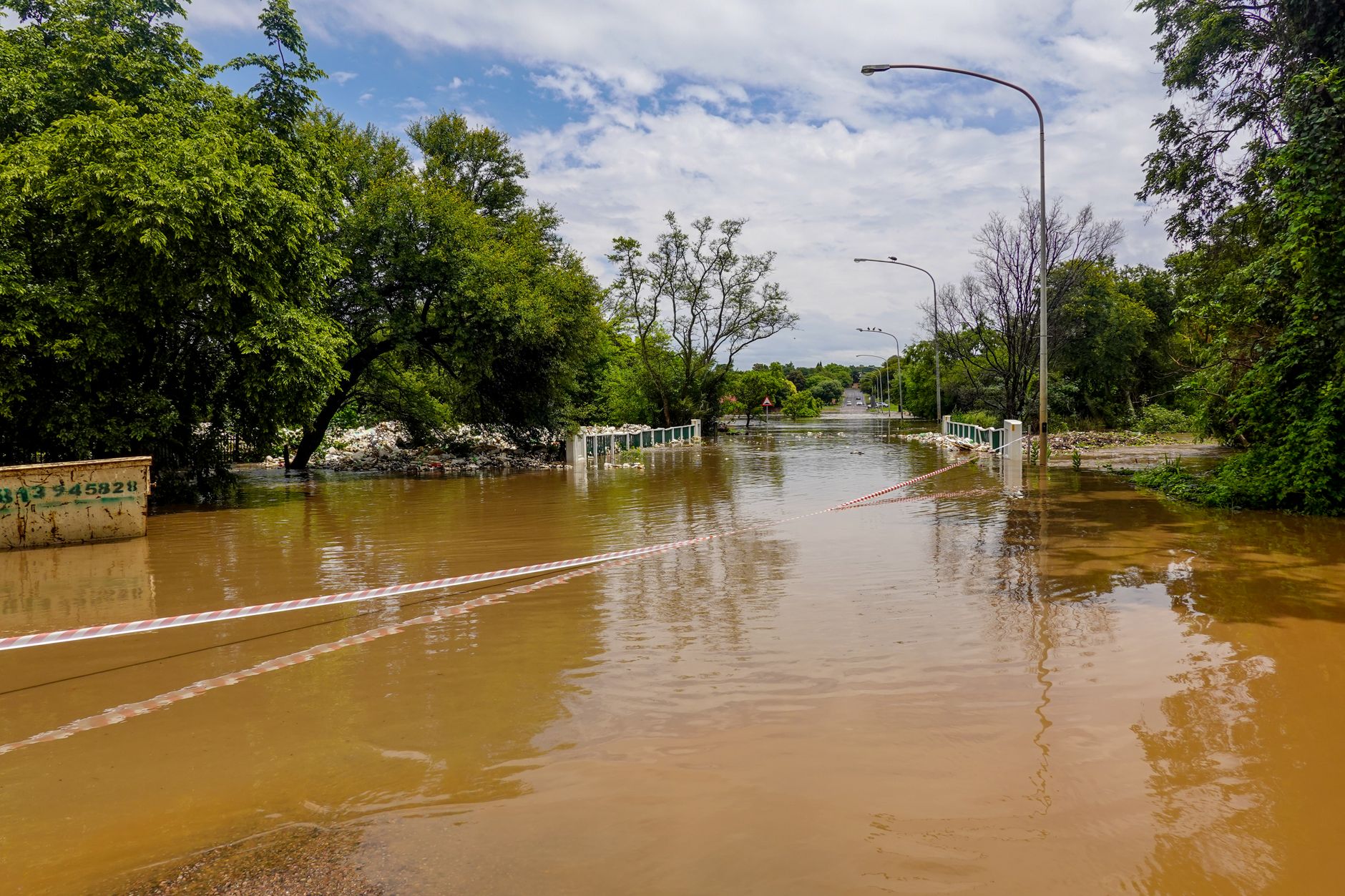
Heavy rainfall can push water above the normal operating mark when runoff enters faster than the pool can drain. The result can be spillover, diluted chlorine, and drainage problems around the deck.
You need a practical recovery plan if the water keeps climbing after a storm. The steps below focus on safety, water level control, chemistry, equipment checks, and the drainage fixes that help prevent a repeat event.
Why Heavy Rain Pushes Pool Water Over The Edge
Heavy rain usually raises the waterline first, then runoff turns a manageable rise into a true overflow. Roof runoff, sloped patios, and yard grading can add inches in a single storm, which is why a pool can look fine at dusk and spill by morning.
Poor drainage makes that worse. When the pool deck drainage points toward the shell, sheet flow moves straight into the water instead of away from it, and a skimmer can fill past its working range fast.
Runoff matters as much as rainfall
Hard surfaces shed water quickly, so the pool becomes the low point in the yard. Driveways, pavers, compacted soil, and roof edges can all send a sudden surge downhill.
That surge explains why pool overflowing in rain often starts with pool overflow and stormwater runoff, not just direct rain. A hillside yard can funnel muddy water through one low spot, load the skimmer with debris, and cloud the pool in minutes.
Stormwater brings more than water
Rainwater runoff can carry leaves, grit, microorganisms, and residue from roofs and landscaping. That is why pool overflowing in rain is also a water safety issue, not just a water-level problem.
Pool overflow and stormwater runoff can change how the system performs. A vanishing-edge basin may fill faster than circulation can move water, while a standard skimmer pool may rise to the tile band and start shedding over the coping. The source of the extra water matters, and that leads straight to the safety check.
That overflow is only half the story, because the next step is checking whether the water is safe to handle.
Do not assume clear water means clean water. Rain can dilute sanitizer and shift pH without changing how the pool looks.
The Safety Check Before You Touch The Pool
Wet concrete, hidden debris, and flooded wiring can turn the area into a hazard zone after a storm. Start with a visual inspection because storm conditions can damage outlets, lights, barriers, and the equipment pad.
Begin at the deck edge and work outward. Look for standing water near electrical gear, broken coping, loose drain grates, and branches or toys that could snag a foot or clog a skimmer.
Hazards that deserve a hard stop
- Flooded outlets: Water near plugs, timers, or junction boxes calls for a dry-out period before anything is reset.
- Slippery deck: Algae film, mud, and rain residue can send you down fast on sealed concrete or stone.
- Stressed equipment: Pumps and filters can run dry, gulp air, or strain against clogged baskets after overflow.
- Dirty water: Cloudiness, odor, or visible trash means the basin needs testing and filtration before normal use.
- Unstable edges: Loose coping or undermined pavers can shift under weight after repeated overtopping.
What you can handle right away
Clear loose debris from the deck, but only open the equipment area after it is dry. Shut off power at the breaker when water is near electrical components.
You can also check the waterline from a distance and note where it sits against the skimmer opening or tile band. Hold off on anything that requires standing in pooled water or restarting equipment before the pad dries.
Once the pad is dry, the focus shifts to dropping the level without triggering fresh circulation problems.
Lowering The Water Level Without Creating New Problems
A pool that stays above the middle of the skimmer opening will not skim well, and circulation drops with it. The usual target is the middle of the skimmer throat or the manufacturer’s marked operating range, which leaves room for splash-out and the next storm.
How to lower pool water level after rain depends on the setup. A standard skimmer pool can use the pump on waste, a manual drain, or a separate overflow line, but the goal is to remove only enough water to restore the working band.
Use the safest drain path for your system
- Check the level: Compare the waterline to the skimmer mouth and the tile band before moving any water.
- Choose the outlet: Use the waste setting, a dedicated drain, or the overflow pipe only as the system allows.
- Lower slowly: Take water down in small stages so the pump never loses prime and the skimmer keeps working.
- Watch the pad: Stop at once if the pump starts gulping air, rattling, or losing flow.
- Recheck after settling: Give the pool a few minutes, then verify the level again before restarting full circulation.
A manual pump-out can help when the pool has no usable overflow path, but it should still be gradual. Vinyl-liner pools need extra care because a rapid drop can let the liner shift, while fiberglass and concrete shells can still suffer stress at the waterline if the level falls too far.
Never empty a storm-soaked pool far below normal just because the deck looks wet. In high groundwater conditions, overdraining can invite shell lift, liner float, or structural damage.
Watch for groundwater pressure
Groundwater becomes a real concern after several inches of rain. Inground pools sit in saturated soil, and hydrostatic pressure can push upward when the inside water level drops too much.
Some pools use a hydrostatic relief valve in the main drain to help relieve that pressure. Even then, keep the water within the normal range unless a pool service technician advises a deeper drain.
After the water comes down, diluted chemistry can still leave the pool out of balance and unsafe.
Testing And Rebalancing Water After Storm Dilution
Heavy rain dilutes sanitizer, shifts pH, and can knock total alkalinity out of range. Prompt testing, small adjustments, and a retest before swimmers return are the practical steps here.
How rain affects pool chemistry is mechanical, not mysterious. Extra water lowers chlorine concentration, and fresh runoff can push pH up or down depending on what washed in from roofs, soil, or concrete.
The first tests to run
- Sanitizer: Check free chlorine or bromine to see whether rain diluted the active level.
- pH: Measure acidity so the sanitizer can work in the proper range.
- Total alkalinity: Verify buffering capacity, which steadies pH after dilution.
- Calcium hardness: Check this in plaster, pebble, or fiberglass systems to limit balance swings.
Use a drop-based test kit or a trusted digital meter rather than guessing from water color. A storm can leave a pool looking fine while the chemistry is off enough to irritate skin, dull chlorine, or cloud the finish.
When shock treatment and retesting make sense
Run the filter after dosing and give the water a full circulation cycle before checking again. In a lightly diluted pool, a small chlorine correction and pH adjustment may be enough.
In a muddy or suspect pool, more circulation time and a stronger disinfection step may be needed before use. Swim only after sanitizer and pH are back in their normal ranges and the water is clear enough to see the main drain.
Clear water is only the starting point, since the equipment still needs a careful post-storm inspection.
Equipment And Filtration Checks After Overflow
The pump basket, pool filter, skimmers, and backwash valve take a beating during overflow events. Debris and air can enter the system, and a filter packed with leaves or silt can cut circulation far below normal.
Inspect, clear, and restart in a controlled way. A weak stream from the returns, chattering noise, or a pump that keeps losing prime usually means the system still has air, blockage, or a seal problem.
Restart the circulation system in order
- Clear the baskets: Remove leaf loads from the skimmer and pump basket before power goes back on.
- Check the lid seal: A dry or cracked O-ring can pull air and break prime.
- Open valves fully: Partially closed valves can mimic a clogged filter and starve the pump.
- Watch the pressure gauge: A sharp rise after restart points to a dirty filter or packed debris bed.
- Listen closely: Grinding, squealing, or gurgling means the system needs more than a quick reset.
Backwash valves deserve special attention after storm overflow because grit can lodge in the seal or line. A stuck valve can send dirty water back where it should not go, and a compromised pump seal can let air in from the suction side.
A short field case makes the point: a suburban skimmer pool took on three inches of rain, the owner drained it fast, and the pump ran dry long enough to scorch the seal. Call a pool service technician when the system will not prime, the filter pressure stays erratic, or storm damage reaches wiring, seals, or buried plumbing.
When the system struggles, the question becomes where that excess water can go without creating downstream trouble.
A pump that sounds hollow after a storm is telling you something. Air, blockage, or a seal leak is still in the line.
Runoff Control And Legal Limits For Discharging Pool Water
Routine top-off and storm cleanup are not the same thing as discharging chlorinated water. Pool discharge is a water-quality issue, and local rules can be stricter than federal guidance, especially when water could reach storm drains or surface waters.
Chlorinated pool water should be handled carefully before it leaves the property. Many local water agencies ask for dechlorination, pH correction, or sanitary sewer discharge only where allowed.
What discharge usually requires
- Test chlorine: Check residual sanitizer before any discharge path is used.
- Adjust pH: Bring water closer to a normal range before release.
- Use approved routes: Sanitary sewer discharge may be allowed where the utility permits it.
- Avoid storm drains: Surface-water paths can violate local water-quality rules.
- Ask locally: City, county, or utility guidance can differ from one street to the next.
California water-quality guidance is especially strict about keeping pool water out of gutters and natural waterways, and many other states use similar stormwater rules. The same logic applies even in drier regions: pool overflow entering the storm drain can become a pollution source, not just a backyard mess.
Prevention starts outside the shell. Extend downspouts away from the deck, regrade low spots that send runoff toward the coping, and keep trench drains clear. A better overflow path, a clean backflow device where required, and a deck that sheds rain away from the pool will do more for the next storm than any amount of emergency draining after this one.
Handled correctly, the real protection comes from preventing the same runoff pattern next time.
What to Remember
A storm that pushes a pool past its edge is rarely a single problem. Water level, runoff, chemistry, and equipment all move together, so handle them in that order.
Keep the area safe, drop the level only to the normal operating mark, then test and rebalance before anyone swims. Once the water is stable, you can focus on drainage fixes that make the next rain less disruptive.
Those fixes matter most because stable water chemistry comes before any long-term drainage improvements.
Final Thoughts
A step-by-step approach makes a flooded pool far easier to handle than treating it as one overwhelming cleanup. Safety comes first, then water level, then chemistry, then equipment, then drainage correction.
That order protects the pool filter, skimmer, and pool pump while also reducing repeat overflow. It also gives you a clear point to stop DIY work and bring in a pool service technician or drainage professional.
FAQ
Why is my pool overflowing when it rains?
Rain raises the waterline, but runoff from roofs, patios, and sloped yards can add much more. Poor drainage, blocked skimmers, or a small overflow path can send water past the coping even when the pool started at the right level.
What should I do if my pool overflows after a storm?
Keep people away from wet electrical gear, clear debris, and check the waterline, deck, and equipment pad. Then lower the level to the middle of the skimmer, test sanitizer and pH, and run circulation until the water clears.
Is it safe to swim in a pool after heavy rain?
Not until the water has been tested and balanced. Rain can dilute chlorine, shift pH, and add contamination from runoff, so clear water alone is not enough to call it ready.
Should I drain pool water after rain?
Only enough to restore the normal operating range. Draining too much can expose the skimmer, weaken circulation, or create hydrostatic pressure problems in high groundwater conditions.
Can pool overflow water go into the storm drain?
Local rules can restrict that. Many areas limit chlorinated pool discharge to storm drains, streets, and surface waters, and some require dechlorination or sanitary sewer discharge instead.
When should I call a pool service technician after overflow?
Bring in a technician when the pump will not prime, the filter pressure stays odd, or storm damage reaches wiring, seals, or buried plumbing. That is also the right call when the water stays cloudy after chemistry and circulation adjustments.