Don't miss our holiday offer - up to 50% OFF!

7 Best Pool Water Test Kits for 2026

Choosing a pool test kit can feel confusing, but the right one makes water care much easier.
You will see which kits deliver accurate results, which ones save money over time, and which ones fit simple home maintenance. From basic chlorine checks to full DPD testing, the options below can help you avoid guesswork and keep your pool stable, safe, and easier to manage.
| Taylor K1001 Basic Residential DPD Pool or Spa Test Kit |  | Best Basic Kit | Test Count: 3-way | Chlorine Type: Free chlorine | pH Testing: Yes | VIEW LATEST PRICE | Read Our Analysis |
| Taylor K-1005 9-in-1 Pool Test Kit |  | Best Overall | Test Count: 9-in-1 | Chlorine Type: Free/total chlorine | pH Testing: Yes | VIEW LATEST PRICE | Read Our Analysis |
| XtremepowerUS 5-Way Pool Test Kit with Case |  | Budget-Friendly Pick | Test Count: 5-way | Chlorine Type: Chlorine | pH Testing: Yes | VIEW LATEST PRICE | Read Our Analysis |
| U.S. Pool Supply 5-in-1 Pool Test Kit | 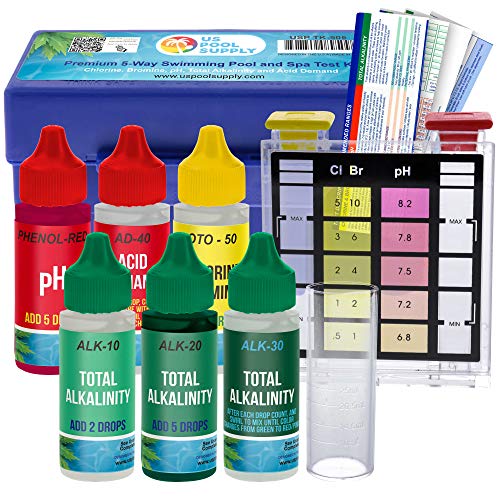 | Best 5-in-1 | Test Count: 5-in-1 | Chlorine Type: Chlorine | pH Testing: Yes | VIEW LATEST PRICE | Read Our Analysis |
| LUPO 2-In-1 Pool Test Kit for Chlorine & pH | 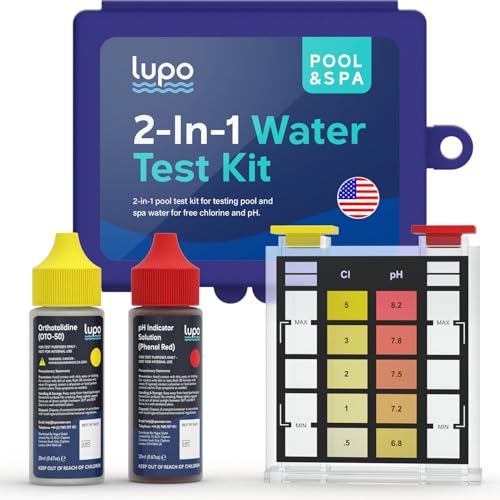 | Best For Beginners | Test Count: 2-in-1 | Chlorine Type: Free chlorine | pH Testing: Yes | VIEW LATEST PRICE | Read Our Analysis |
| Taylor Complete Pool & Spa Test Kit – High Range K-2005C 2 oz Reagents |  | Professional Grade | Test Count: 9-parameter | Chlorine Type: Free/total chlorine | pH Testing: Yes | VIEW LATEST PRICE | Read Our Analysis |
| Taylor K-2006-SALT 9-in-1 Pool & Spa Test Kit |  | Best For Saltwater | Test Count: 9-in-1 | Chlorine Type: Free/combined chlorine | pH Testing: Yes | VIEW LATEST PRICE | Read Our Analysis |
More Details on Our Top Picks
Taylor K1001 Basic Residential DPD Pool or Spa Test Kit
Taylor K1001 gives you a simple, reliable basic kit for everyday pool care. It tests free chlorine, bromine, and pH with clear ranges for residential pools and spas. The hard-shell case keeps everything tidy, and the easy-to-read comparator with molded fill lines helps you check levels quickly. You also get 0.75 ounce reagent bottles and a color-coded instruction card. On the back, dosage charts help you move from result to action. Because it is light and compact, you can store it easily and use it with confidence.
- Test Count:3-way
- Chlorine Type:Free chlorine
- pH Testing:Yes
- Alkalinity Test:No
- Case Included:Hard-shell case
- Reagent Bottles:0.75 oz
- Additional Feature:Molded fill lines
- Additional Feature:Dosage chart on card
- Additional Feature:DPD chlorine method
Taylor K-1005 9-in-1 Pool Test Kit
Need a reliable all-rounder? The Taylor K-1005 DPD 9-in-1 Pool Test Kit gives you fast, trustworthy readings for chlorine, bromine, pH, acid demand, base demand, alkalinity, calcium hardness, and cyanuric acid. Use the comparator, add the 13 reagents, and check results in seconds. Simple instructions and pictograms make testing easy, not fussy. Its sturdy plastic case travels well for pools, spas, and hot tubs. Since Taylor has analyzed water since 1930, you can feel confident this USA-made kit is built for real seasonal care.
- Test Count:9-in-1
- Chlorine Type:Free/total chlorine
- pH Testing:Yes
- Alkalinity Test:Yes
- Case Included:Storage case
- Reagent Bottles:13 reagents
- Additional Feature:Acid demand test
- Additional Feature:Base demand test
- Additional Feature:Cyanuric acid testing
XtremepowerUS 5-Way Pool Test Kit with Case
The XtremepowerUS 5-Way Pool Test Kit is a budget-friendly option for DIY pool care. You can check chlorine, bromine, pH, acid demand, and total alkalinity with one compact kit. The clear-view test block uses UV-protected color chips, which helps reduce guesswork when reading results. The integrated scale also helps you measure each sample quickly. The blue case keeps the reagents, block, and instructions organized between uses. If you want simple routine testing for your pool, spa, or hot tub, this kit makes water care more manageable. Many users rate it well too.
- Test Count:5-way
- Chlorine Type:Chlorine
- pH Testing:Yes
- Alkalinity Test:Yes
- Case Included:Storage case
- Reagent Bottles:Included reagents
- Additional Feature:UV-protected color chips
- Additional Feature:Polystyrene test block
- Additional Feature:Step-by-step drop testing
U.S. Pool Supply 5-in-1 Pool Test Kit
U.S. Pool Supply’s 5-in-1 Pool Test Kit gives you a simple way to check chlorine, bromine, pH, total alkalinity, and acid demand. It includes six dropper bottles, a clear testing block, and a round-view cup, so you can read results quickly. The blue polyethylene case keeps everything organized, which is helpful when your deck is already busy. With the easy guide and color chart, you can test your pool, hot tub, or spa whenever you want. It helps you keep water balanced, safe, and ready for daily swims.
- Test Count:5-in-1
- Chlorine Type:Chlorine
- pH Testing:Yes
- Alkalinity Test:Yes
- Case Included:Polyethylene case
- Reagent Bottles:0.5 oz
- Additional Feature:Round-view testing cup
- Additional Feature:Trouble-prevention guide
- Additional Feature:OTO chlorine solution
LUPO 2-In-1 Pool Test Kit for Chlorine & pH
LUPO’s 2-in-1 kit gives beginners a simple, fast way to check chlorine and pH. You get a sturdy case, clear instructions, and color-coded readings, so you will not feel lost at the poolside. It tests free chlorine and pH in seconds, and the included reagents cover about 100 tests. Because it works for freshwater and saltwater pools, spas, and hot tubs, you can use it year-round. The USA Swimming approved system adds confidence, while the four-step process keeps testing easy and calm.
- Test Count:2-in-1
- Chlorine Type:Free chlorine
- pH Testing:Yes
- Alkalinity Test:No
- Case Included:Storage case
- Reagent Bottles:Included reagents
- Additional Feature:USA Swimming approved
- Additional Feature:Waterproof instructions
- Additional Feature:Freshwater and saltwater
Taylor Complete Pool & Spa Test Kit – High Range K-2005C 2 oz Reagents
Taylor’s professional grade K-2005C kit is designed for pool owners who want lab level confidence at home. You get 13 reagents, a comparator, and a sturdy case, so you can test free chlorine, total chlorine, bromine, pH, acid demand, base demand, total alkalinity, calcium hardness, and CYA with ease. Because the 2 oz bottles hold more than the standard kit, you replace them less often and avoid stress during busy seasons. Taylor Technologies has built water test kits since 1930, and its clear pictograms help you read results quickly.
- Test Count:9-parameter
- Chlorine Type:Free/total chlorine
- pH Testing:Yes
- Alkalinity Test:Yes
- Case Included:Storage case
- Reagent Bottles:2 oz
- Additional Feature:High-range chlorine testing
- Additional Feature:Professional-grade standards
- Additional Feature:Two-ounce reagents
Taylor K-2006-SALT 9-in-1 Pool & Spa Test Kit
The Taylor K-2006-SALT makes saltwater testing straightforward. This 9-in-1 FAS-DPD kit checks free and combined chlorine, pH, acid demand, base demand, total alkalinity, calcium hardness, cyanuric acid, and chloride. The comparator and 15 reagent bottles guide you through testing your pool or spa with clear steps and easy-to-read pictograms. Because it uses high-range saltwater testing, you can trust the results. If you test often, consider replacement reagents or upgrading to the larger service kit later.
- Test Count:9-in-1
- Chlorine Type:Free/combined chlorine
- pH Testing:Yes
- Alkalinity Test:Yes
- Case Included:Comparator/case
- Reagent Bottles:0.75 oz
- Additional Feature:Saltwater pool testing
- Additional Feature:Chloride testing included
- Additional Feature:FAS-DPD method
Factors to Consider When Choosing Pool Water Test Kits
When choosing a pool water test kit, start by checking how many test parameters it covers, because you want a kit that matches your pool’s needs. Also look at accuracy, easy-to-read results, reagent quantity, and kit durability, since these details can save you time and stress later. Finally, make sure the kit works with your pool type so you do not end up with a tool that is not useful for your setup.
Test Parameter Coverage
A good test kit does more than give you a quick number on a strip. You need free chlorine or bromine and pH at the outset, because they tell you whether your water can sanitize and feel comfortable on skin. Then look for total alkalinity and calcium hardness, since they help you manage buffering, scale, and corrosion before trouble starts. If you keep an outdoor pool, add cyanuric acid testing so sunlight does not strip away your chlorine too quickly. It also helps to separate free chlorine from combined chlorine, or use DPD or FAS methods, so you can detect chloramines early. For saltwater or specialty systems, choose kits with chloride, salt, or bromide tests. That way, you match the kit to your pool, not the other way around.
Accuracy And Readability
Accuracy matters most, because a test kit only helps if you can trust what it shows. You should look for DPD chlorine tests, since they give clear color shifts and help you separate free and combined chlorine. Next, check that the range and resolution fit your pool goals, such as 0.5 ppm chlorine steps or a pH scale that reads near 6.8 to 8.2. Also, choose high-contrast color charts and UV-stable comparators, because faded colors can trick your eye. Clear molded fill lines help too, since they cut down on guesswork. Finally, pick kits with simple, illustrated directions. If the steps are easy, you make fewer mistakes with sample size, drops, and timing, and your readings stay much easier to trust.
Reagent Quantity
Reagent quantity can make or break how smooth pool testing feels. Start by checking bottle size, because a 2 oz bottle can provide more than 2.5 times as many tests as a 0.75 oz bottle. If you test only now and then, smaller bottles may suit you just fine. If you test often, larger supplies can help you avoid running out at the worst moment. Next, look at how many reagents each test uses. Some kits need several drops or separate bottles for one result, and that can drain supplies quickly. Also consider shelf life, since extra bottles can expire before you use them. Finally, compare replacement prices and availability so restocking stays easy and affordable.
Kit Durability
Whenever you choose a pool water test kit, durability matters just as much as the numbers it gives you. You want a case that feels solid in your hand, with hard shell protection and tough plastics that can handle drops, sun, and splashy storage. Then check the comparators and color chips, because UV protected parts and clear charts stay easy to read longer. Also, look at the reagent bottles next, since larger sizes and simple refills can save you from replacing the whole kit too soon. Reagent life matters too, so store everything cool, dry, and out of direct sunlight. Finally, inspect the mixing blocks, caps, and droppers. Tight fittings and sharp dropper tips help you avoid leaks, waste, and messy test results.
Pool Type Compatibility
As you choose a pool water test kit, match it to your pool type first, because the right kit makes testing feel far less like guesswork. Check that the label lists freshwater, saltwater, or mineral and bromine systems, since each one needs different readings. If you use a saltwater generator, choose a kit that measures free and total chlorine, plus salt or chloride, so you can judge sanitizer strength accurately. For spas and hot tubs, look for pH and sanitizer ranges designed for hot, small water volumes, where levels shift quickly. Inground and large pools need tests for alkalinity, calcium hardness, and cyanuric acid to help protect plaster and equipment. For above ground or seasonal pools, a basic free chlorine and pH kit may be all you need.
Replacement Reagent Availability
Once you’ve matched a test kit to your pool type, the next thing to check is how easy it will be to keep using it over time. See whether the reagents are sold as individual bottles or only as full sets. Individual bottles save money because you replace only what is empty. Next, check bottle sizes, since a 0.75 oz refill will not last as long as a 2 oz one. Compare the listed test count too, so you know how often you will reorder. It also helps if the replacement chemicals match the same formula, lot, and spec numbers as your kit. Finally, make sure several sellers stock them, and look for clear expiration dates and storage advice. Fresh reagents keep your readings steady and your pool care far less annoying.
Frequently Asked Questions
How Often Should I Replace Pool Test Kit Reagents?
Replace your pool test kit reagents every 1 to 2 years, or sooner if they are expired, discolored, or give inconsistent results. Store them in a cool place with the caps on, and always follow the manufacturer’s date.
Can Pool Test Strips Test Saltwater Pools Accurately?
Yes, you can use them, but they are often only approximate. If you are checking a saltwater pool, use a salt-specific kit or digital meter for clearer results and fewer false readings.
What Is the Difference Between DPD and Phenol Red Tests?
DPD tests measure chlorine levels, while phenol red tests measure pH. Use DPD to check sanitizer strength and phenol red to identify acidity or alkalinity, so you can balance your pool water accurately.
Should I Test Pool Water Before or After Adding Chemicals?
Test initially, then add chemicals. You will know what your pool actually needs, so you will not overcorrect. After dosing, wait and retest to confirm the balance shifted properly and safely.
How Do I Store a Pool Test Kit Properly?
You should store your pool test kit in a cool, dry place away from sunlight and chemicals. About 90% of test strips fail from moisture, so reseal containers tightly and check expiration dates regularly.
