

A pool pump can feel like the hidden engine in your backyard, quietly shaping both comfort and electric bills. If you want to cut costs fast, you need the right mix of power, speed control, and size.
From self-priming above-ground options to quiet variable-speed inground models, each one fits a different pool and budget, and one small choice can make a big difference in your monthly bill.



More Details on Our Top Picks
In/Above Ground Pool Pump Self Primming High Flow,Dark Grey
If you want steady flow, this smart choice is built for busy pool owners who want less maintenance. It features a self priming 2 HP pump that delivers 8120 GPH, helping keep water moving and clear. The timer offers nine run time settings, from 2 to 24 hours, and starts automatically each day, so you do not need to monitor it. The quiet motor and thermal overload protection add reliable performance, while the large basket captures leaves. It also includes adapters for easy setup with 40 PVC or 1.25 inch and 1.5 inch lines.
- Horsepower:2 HP
- Flow Rate:8120 GPH
- Pool Type:In/above ground
- Voltage:220 V
- Noise Level:Whisper-quiet
- Self-Priming:Yes
- Additional Feature:Nine run-time options
- Additional Feature:Automatic thermal overload
- Additional Feature:Large filter basket
Doheny’s Inground Swimming Pool Pro Pump 1.5 HP
If you want a tough, efficient pump for a busy in-ground pool, Doheny’s 1.5 HP model is a strong choice. It delivers 97 GPM flow, strong suction, and a self-priming start that saves time. It runs on 115V or 230V, so it fits many setups, and the hard-wired design supports stable installation. The reinforced thermoplastic body and stainless steel shaft help it stand up to daily use, while the clear lid and extra-large basket make maintenance easier. It operates with low noise, is CSA and ETL certified, and is made by Doheny’s, a family brand with 50 years of pool expertise.
- Horsepower:1.5 HP
- Flow Rate:97 GPM
- Pool Type:Inground
- Voltage:115V/230V
- Noise Level:Low-noise
- Self-Priming:Yes
- Additional Feature:Hard-wired power
- Additional Feature:Stainless steel shaft
- Additional Feature:Clear lid visibility
BLACK+DECKER 1.5 HP Variable Speed Pool Pump
For smart pool care, BLACK+DECKER’s 1.5 HP pump is a strong fit. It has a quiet variable speed motor, self priming startup, and low speed settings that help filter water thoroughly without wasting power. WiFi connectivity lets you monitor it from your phone, while the easy touchpad keeps setup simple. It also uses smart dual voltage sensing for 115V or 230V service, so installation is less stressful. With Energy Star approval, a 5 year warranty, and 80 GPM flow, it is built to work hard and help keep costs in check.
- Horsepower:1.5 HP
- Flow Rate:80 GPM
- Pool Type:In ground
- Voltage:115V/230V
- Noise Level:Quiet
- Self-Priming:Yes
- Additional Feature:WiFi enabled
- Additional Feature:Self-diagnostics system
- Additional Feature:Energy Star certified
Hayward Super Pump High Efficiency Inground Pool Pump
The Hayward Super Pump gives budget-minded pool owners a strong, quiet upgrade. You get 0.75 HP of high-efficiency power, so your inground pool moves water well without wasting energy. Its medium-head design suits many setups, and the 40 GPM flow keeps circulation steady. Because it runs on 230 volts with a corded electric motor, you can count on reliable performance. The heavy-duty build and cooler operation help you feel confident. Service stays simple with swing-away knobs, a see-through cover, and an extra-large basket that traps more leaves.
- Horsepower:0.75 HP
- Flow Rate:40 GPM
- Pool Type:Inground
- Voltage:230 volts
- Noise Level:Cooler, quieter
- Self-Priming:Not listed
- Additional Feature:Swing-away hand knobs
- Additional Feature:Tool-free strainer cover
- Additional Feature:Extra-large debris basket
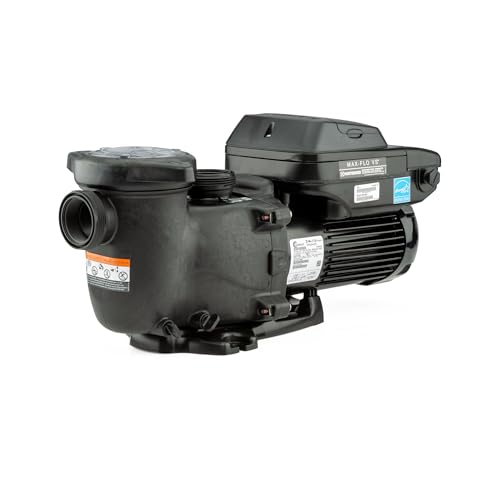
Hayward W3SP2303VSP MaxFlo VS Variable-Speed In Ground Pool Pump Black
For in-ground pool owners, the Hayward W3SP2303VSP is a highly efficient choice. It features a 1.65 HP, 230V variable-speed design that can reduce energy costs by up to 80%. Its permanent magnet, TEFC motor operates quietly, especially at lower speeds, helping keep your yard more peaceful. It can be installed as a straightforward drop-in upgrade, and it can be used on its own or connected to automation systems with relays. The advanced hydraulic design moves water smoothly at 75 gallons per minute. Because it is ENERGY STAR verified, it helps you save more and worry less.
- Horsepower:1.65 HP
- Flow Rate:75 GPM
- Pool Type:In ground
- Voltage:230 volts
- Noise Level:Quiet
- Self-Priming:Not listed
- Additional Feature:Can save 80%
- Additional Feature:Connects to automation systems
- Additional Feature:Permanent magnet motor
Hayward PowerFlo LX Above Ground Pool Pump 1.5 HP W3SP1580X15
Need dependable circulation? The Hayward PowerFlo LX Above Ground Pool Pump, model W3SP1580X15, delivers a steady 1.5 HP single-speed performance for above-ground or on-ground pools. It provides strong flow at 115 gallons per minute, helping keep water moving through the filter and back to the pool. Its heavy-duty motor operates quietly, and the corrosion-proof housing is built to withstand outdoor weather. The extra-large debris basket, clear cover, and drain plug also make maintenance easier. If you are replacing an old pump, this corded 115-volt unit fits right in.
- Horsepower:1.5 HP
- Flow Rate:115 GPM
- Pool Type:Above ground
- Voltage:115 volts
- Noise Level:Quiet
- Self-Priming:Not listed
- Additional Feature:Corrosion-proof housing
- Additional Feature:Drain plug included
- Additional Feature:Weather-resistant housing
Factors to Consider When Choosing an Energy Efficient Pool Pump
When choosing an energy efficient pool pump, start with horsepower and flow rate so you get enough circulation without wasting power. Then look at variable speed capability, voltage, and power type, as well as self-priming performance, since these features can affect how well the pump fits your pool and setup. You will also want a quiet model because a pump should not sound like it is trying to win a race in your backyard.
Horsepower And Flow Rate
Horsepower and flow rate need to work together, because a bigger pump is not always the better choice for your pool. You should match both numbers to your pool’s real needs, not just chase the highest horsepower. Flow rate, usually measured in gallons per minute or gallons per hour, can range from about 40 GPM for smaller systems to more than 135 GPM for high output setups. If you pick a pump with too much flow, you might waste electricity without gaining better circulation. On the other hand, a lower flow pump with the right horsepower can still handle filtration and turnover well. Compare maximum flow rate and horsepower together. That helps you avoid oversizing and choose a pump that fits your pool, plumbing, and energy goals.
Variable Speed Capability
Variable-speed capability can make a big difference in how much energy your pool pump uses, because you can match the motor speed to the job instead of running at full speed all day. You will save the most when you keep the pump at lower speeds for routine filtration, since gentle circulation still keeps water clean while using less power and making less noise. Then, whenever your pool needs stronger flow for priming or heavy circulation, you can switch to a higher setting without changing pumps. Many models also let you schedule longer run times at lower speeds, which helps you maintain clear water more efficiently. If you choose an ENERGY STAR-rated model, you may cut energy use by as much as 80% and reduce your monthly bill.
Voltage And Power Type
First, check the pump’s voltage before you buy because it has to match your pool’s electrical setup to work safely and well. You’ll usually see 115V, 220V, or 230V models, and the wrong match can leave you stuck with a setup that won’t run. Next, choose the power type that fits how you want to install it. Corded electric, hard wired, and plug in pumps each serve a different need. If you want flexibility, dual voltage pumps can work on 115V or 230V, which makes setup easier across systems. Also, consider power demand, not size alone, because higher voltage pumps often support stronger motors and better flow. If you want simple scheduling, a plug in pump with a built in timer can save you extra control gear.
Noise And Quiet Operation
If you spend time near the pool, noise matters more than you might think, because a loud pump can turn a calm space into a tiring one. When you shop, look for low-noise or whisper-quiet models so you can relax, work out, or host friends without a constant hum. Variable-speed pumps often help most, since they run more softly at lower settings during routine filtration. You should also check for a stable motor with smart internal design, because less vibration usually means less racket. Permanent magnet and high-efficiency motors can sound smoother too. Finally, choose a pump with corrosion-resistant housing and a heavy-duty build, since better parts stay quieter longer and resist wear that can add extra noise.
Self-Priming Performance
When you have already considered quiet operation, the next thing to check is how easily the pump gets water moving at first. A strong self-priming pump starts on its own after installation, so you do not have to keep filling it manually. That saves time and reduces start-up frustration. It also helps the pump pull water into the basket and plumbing line, which keeps circulation steady. This matters even more if your system sits above the water level, because the pump still needs to draw water up. Many self-priming models handle lifting heights of 20 to 60 feet, so they can start reliably and maintain flow. When you compare energy-efficient options, choose one that resists air delays and restarts smoothly after service.
Durability And Build Quality
Whenever you want a pool pump that lasts, build quality matters just as much as energy savings. Look for a corrosion-resistant housing and reinforced body materials, because constant water and sun can wear cheap parts down fast. A sturdy motor with thermal overload protection or strong cooling helps prevent overheating and keeps the pump running longer. A clear, heavy-duty strainer cover and an extra-large debris basket can also reduce clogging, so internal parts do not take the hit. Stainless steel motor shafts, permanent magnet motors, and tight-sealing unions usually mean better wear resistance too. Finally, choose a pump with tool-free covers or simple bolt designs. That makes upkeep easier, so you can service it without stressing parts or your patience.
Timer And Automation
Just as notably, a good timer can make your pool pump feel much less like a chore. You can set built in run times from 2 to 24 hours, so the pump handles circulation on its own. That means you do not have to guess when to turn it on or off. If your pool needs steady movement, automatic daily start times keep water flowing at the same hour each day. This helps filtration stay on track and saves you from manual checks. Programmable controls also let you match runtime to weather, pool use, and cleaning needs, so you avoid waste. In addition, smart controls make setup simple, and features such as dual voltage sensing or self diagnostics can keep operation smooth with less effort from you.
Maintenance And Basket Size
Maintenance matters more than many pool owners initially believe, because a pump that is easy to clean usually stays efficient with less hassle. You should look for a larger debris basket, since it lets you stop less often and keeps water moving more steadily. When you deal with leaves or coarse debris, an extra-large basket can save you from constant breaks during busy swim days. Clear strainer covers also help, because you can check the fill level quickly before flow starts to drop. In addition, tool-free covers make routine cleaning faster, and that small time savings adds up. Drain plugs and service-friendly layouts matter too, especially when you winterize the system. When upkeep feels simple, you are more likely to stay on schedule and protect energy savings.
Frequently Asked Questions
How Often Should I Run an Energy Efficient Pool Pump?
You should run your energy efficient pool pump for 8 to 12 hours each day, but you can adjust that based on pool size, usage, and filtration needs. Use lower speeds for longer periods to save energy.
Will a Variable-Speed Pump Work With My Existing Pool Filter?
Yes, you can usually pair a variable-speed pump with your existing filter, but you should match flow rates and plumbing size. You will avoid damage and get better efficiency if you check compatibility first.
How Much Electricity Can I Save With an Efficient Pool Pump?
You can often save 50% to 80% on pool pump electricity with an efficient model, especially a variable speed one. You will reduce run time costs quickly, and your savings depend on pool size, usage, and local power rates.
Do Energy Efficient Pumps Require Professional Installation?
Not always. You can often install an energy-efficient pump yourself if you are comfortable with basic plumbing and electrical work, but wiring and plumbing can get complicated. You should use a professional whenever code requirements, voltage issues, or warranty conditions become difficult to manage.
Can I Use a Pool Pump Timer With These Models?
Yes, you can use a pool pump timer with most of these models, but you should verify compatibility first. You will save more energy by scheduling shorter run times and avoiding unnecessary circulation cycles.
