Don't miss our holiday offer - up to 50% OFF!

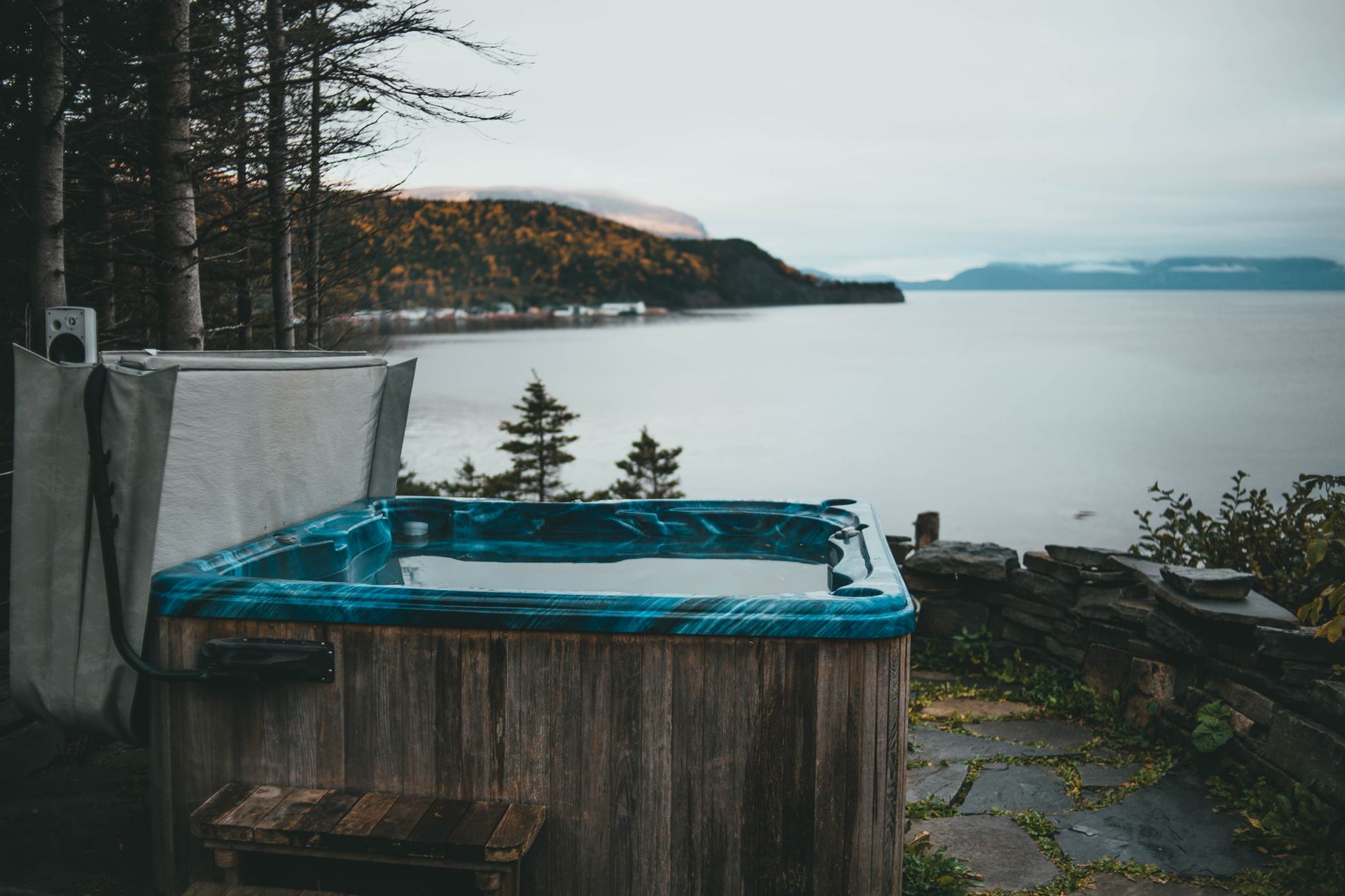
How to Drain a Hot Tub? Safe Steps for a Clean Empty Spa

Before you start, shut off the power, locate the drain point, and move the water out without flooding the pad or damaging equipment. The safest method depends on your layout, because a live pump can burn out and a bad hose route can spill gallons fast.
You can use this when you need a routine cleanup, a seasonal water change, or winterizing before freezing weather hits. It also helps you empty a hot tub without a pump when the spa sits on a slope or the drain hardware is hard to reach.
Shut Down The Spa Before Any Water Moves
Power needs to go off before you open any drain. That protects the heater, pump, and control pack from dry running, which can overheat parts and damage seals in minutes.
Most spa makers, including Jacuzzi, Sundance Spas, and Master Spas, put that warning near the top of their drain instructions. Turn off the breaker or disconnect, remove the spa cover, and make sure the cabinet is silent before you touch a valve.
Power off at the breaker, not just at the topside panel. A display can look off while the equipment still has live voltage.
- Cut power fully: Use the breaker or disconnect so pumps and heaters cannot run dry.
- Remove the cover: Clear the spa top so you can reach the cabinet and spot leaks.
- Check the manual: Drain hardware varies by model, hose thread, and cabinet layout.
- Set your route: Lay towels, hose, or buckets before the valve opens.
- Open the access panel: Many tubs hide the drain valve low on the shell or behind a small door.
That shutdown phase matters because water removal is a short service window, not just an emptying task. Once the power is safe, you can find the actual drain point instead of the nearest fitting.
Because the tub cannot empty safely without first isolating power, the hunt for the drain fitting becomes the next practical step.
Finding The Drain Valve On Different Models
The drain point usually sits low on the spa, often behind a removable side panel or near the base. Some models use a hot tub drain valve with a short spigot, while others use a threaded fitting that accepts a hose adapter.
Trace any hose already attached to the cabinet, then follow it back to the outlet that empties the shell. Jacuzzi and Master Spas both note that placement changes by model line, so the manual is the fastest way to confirm where is the hot tub drain valve before anything opens.
Use the cabinet edge as your clue
Start low and work around the lower perimeter of the spa. A drain spigot tucked near the floor panel is easier to miss than a big filter lid, yet it does the job.
Some tubs have more than one outlet, but only one empties the shell quickly. The other may serve service work or a partial low-point drain, so the manual matters here too.
Confirm the outlet before you open it
A hose connected to a fitting does not always mean that fitting is the main drain. Feel the line, follow its path, and look for a cap, lever, or threaded end that controls flow.
Home Depot learning materials and spa makers alike point to the same habit: verify the outlet first, then open it. That avoids a slow trickle from the wrong spot and sets you up for the choice between gravity, siphon, or a submersible pump.
That first opening only gets the flow started; how you move the water out depends on the layout and the tools available.
Choosing Between Gravity, Hose Siphon, And Pump
Your setup decides the method. A gravity drain works when the discharge point sits lower than the shell, a garden hose siphon can move water downhill without electricity, and a submersible pump moves water out faster than either option.
Swim University and Master Spas both describe the pump as the speed choice, with siphon and gravity as simpler but slower routes. The right answer is the one that keeps water moving downhill without backflow or pooling around the cabinet.
| Method | Best setup | Main tradeoff |
|---|---|---|
| Gravity drain | Spa sits higher than the discharge area | Slow near the end of the cycle |
| Garden hose siphon | Hose can run steadily downhill | Flow can stall or slip air |
| Submersible pump | You need speed or the pad sits level | Needs a power source and hose routing |
Science explains the difference in plain terms: gravity flow weakens as the water level drops because there is less pressure head pushing water toward the outlet. A pump creates its own pressure, so it keeps moving water when the shell is nearly empty.
For how to drain a hot tub fast, the pump wins. For a simple routine drain on a slope, gravity is fine. Once that choice is clear, the next problem is getting water out without soaking the patio.
A slope makes the simplest route work, but standing water changes the job from easy drainage to careful containment.
Draining The Tub Without A Pump Or Flooding The Patio
Attach a garden hose to the drain fitting when the model accepts one, then send the hose to a legal discharge point. The hose should stay kink-free, and the outlet should sit lower than the tub so water keeps moving away from the base.
Open the valve slowly and watch the first few gallons. A slow start lets you catch a loose connection, a drip at the cabinet, or runoff that heads toward a deck, foundation, or paver bed.
Route spa water to a spot that can take it. A driveway seam, flower bed, or storm drain can turn a routine drain into a mess or a rule problem.
Use the hose as a controlled path
Yes, you can drain a hot tub with a garden hose when the drain fitting accepts one and the hose runs downhill the whole way. The hose becomes the path, not the pump.
Keep pumps and heaters off the whole time. Dry running can damage seals and heater parts, and it can happen fast once water falls below the intake level.
Watch the base during the first minutes
Pooling near the cabinet means the valve, adapter, or hose connection needs attention. Stop the flow, tighten the fitting, and reset the discharge route before the problem spreads.
That careful start also helps you spot a weak siphon, which can happen when air slips into the hose. From there, the last pockets of water matter more than the main drain, because shells are rarely dry at this point.
Even after the main flow stops, hidden pockets cling inside the plumbing and need separate attention.
Removing The Last Water From Seats, Jets, And Lines
The shell can look empty while several gallons still hide in plumbing lines, jet bodies, and footwells. Residual water also sits in pump wet ends, heater housings, manifolds, and low corners that sit below the main outlet.
Hot Spring Spas and Hayward both point to the same finish work: use towels, a wet-dry vacuum, or a small pump to clear those pockets. That last 5 to 10 percent is the part that keeps a spa from smelling stale or freezing with trapped water inside.
Clear the low spots
Set a towel in the footwell, then move it to seat dips and ledges where water gathers. A wet-dry vacuum does the rest in spots that a hose cannot reach.
Open jets and ports as you go so trapped water can drain out of hidden channels. That small move matters because an air lock can hold water in a line even after the shell looks dry.
Finish with the plumbing and filter area
Remove the filter cartridge before draining or during the last stage, then shake out the housing and rinse it separately. A clogged cartridge slows flow and can dump debris back into the shell as the level drops.
Leisure Time and BioLab spa-care materials both stress line purging before winter shutdown. That step loosens biofilm, the slippery coating that clings to plumbing walls and can feed cloudy residue later.
You may have seen this during service before: the shell looked empty, but a hidden elbow held enough water to drip into the cabinet an hour later. A dry towel and a few minutes with a vac save that surprise, and they help you empty a spa completely.
Those leftovers can cause odors or damage, so the final drying pass sets up either refilling or winter storage.
Cleaning, Drying, And Preparing For Refill Or Winter
Wipe the shell with a non-abrasive cleaning solution as soon as the last water is gone. Fresh residue comes off more easily before it dries, and the same cleaning pass can catch film around the filter well, pillows, and cover underside.
CCOHS advises cleaning and drying spa surfaces before the unit goes back into service. That makes sense, because a wet shell can hide grime and create a slick work area around the cabinet.
- Wipe the shell: Remove scale, film, and residue before fresh water goes in.
- Rinse the filter: Clean the filter cartridge and housing before you reinstall anything.
- Dry the cabinet: Clear standing water near the equipment bay and access door.
- Check disposal rules: Spa water can contain sanitizer or cleaning chemicals.
- Winterize correctly: Purge lines and follow the manual before freezing weather arrives.
Water disposal deserves care because treated spa water can carry chlorine, bromine, salt, or cleaner residue. The EPA says discharged pool and spa water should go to an approved sanitary route where local rules allow, not into storm drains or waterways.
For winter storage, draining alone is not enough. A cold snap can split a line or fitting that still holds water, so winterizing or line purging matters anytime the spa will sit unused in freezing weather. That final step is what separates a drained spa from a ready spa.
What happens after that depends on the season, but the basic drainage routine already points to the same outcome.
Final Thoughts
The safest order is simple: shut off power, find the drain, choose the right removal method, then clear the last pockets of water before you clean and dry the spa. A spa looks empty long before it is actually dry, and that gap is where most mistakes happen.
Follow that sequence, and you avoid flood risk, pump damage, and trapped water in the plumbing. It also makes the next refill smoother because the shell, filter area, and cabinet start clean and dry.
FAQ
Do you need to turn off power before draining a hot tub?
Yes. Shut off the breaker or disconnect before water moves so the pump and heater do not run dry, which can damage seals and heater parts. A topside control off setting is not enough for service work.
Where is the hot tub drain valve?
It is usually low on the cabinet near the base, often behind a small access panel or side door. The manual is the best source because drain location and hose fittings change from model to model.
How do you get the water out of a hot tub?
You can drain through the built-in valve, run a garden hose downhill, or use a submersible pump. The pump empties water faster, while gravity and siphon methods work well on a simple downhill route.
How to empty a hot tub without a pump?
Use the spa’s drain valve with a hose attached, or start a hose siphon when the discharge point sits lower than the tub. Keep the hose kink-free and watch for pooling near the cabinet.
Can you drain a hot tub with a garden hose?
Yes, as long as the drain fitting accepts a hose and the route runs downhill to an approved discharge spot. A hose alone does not move water uphill, and it will slow or stop if air enters the line.
How to empty a spa completely?
Drain the shell, then remove leftover water from seats, jets, footwells, and plumbing lines with towels or a wet-dry vacuum. Finish by opening jets and drying the cabinet area before refilling or winterizing.