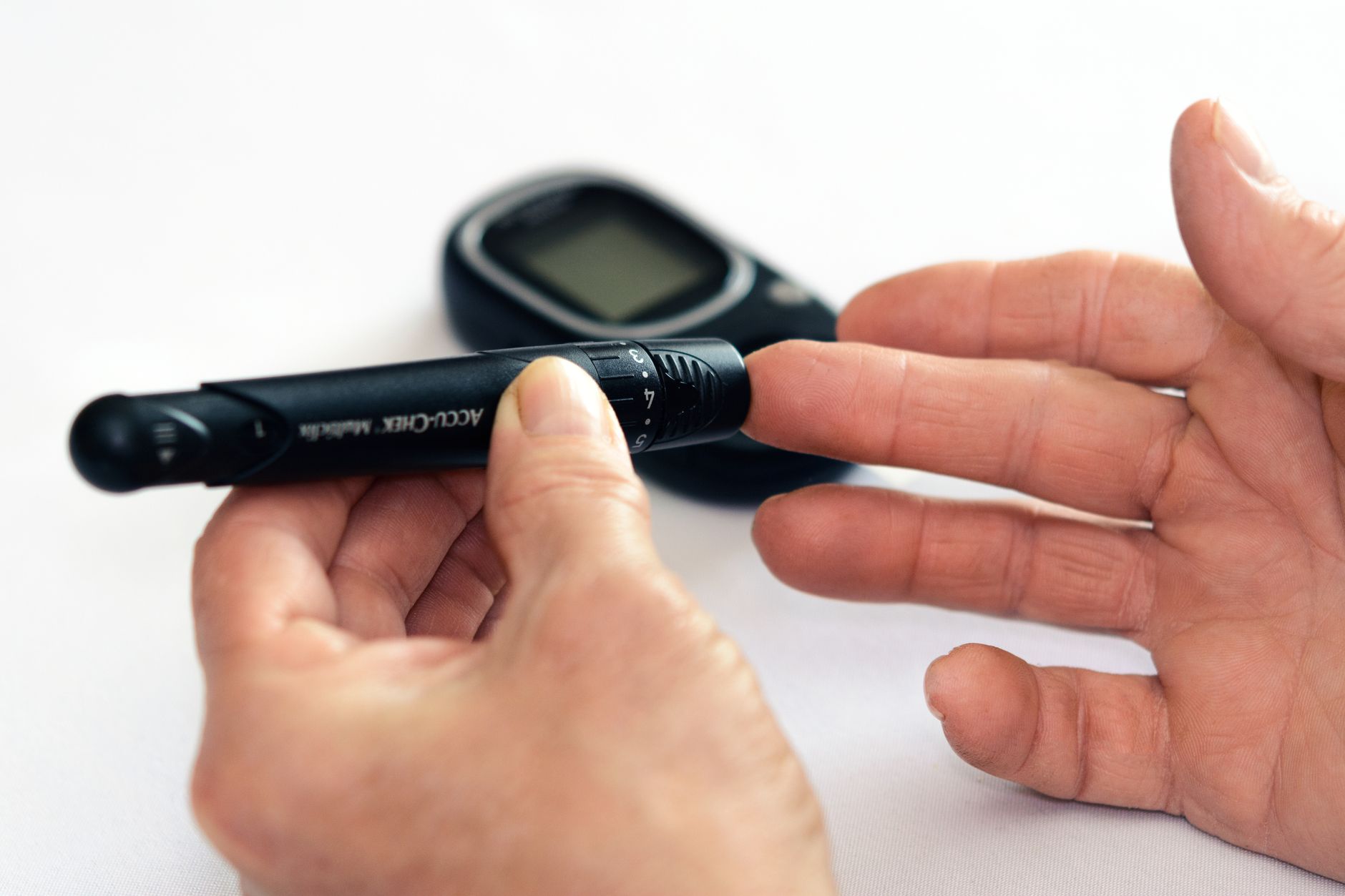

A handheld meter or test strip gives the most reliable reading of dissolved salt, unlike tasting the water or trusting the display alone. A salt chlorine generator turns sodium chloride into chlorine, and a drifting sensor can miss the true ppm (parts per million) reading.
You need the right method, the right sample point, and the right target for your equipment. That matters whether you use salt test strips for pool water, a liquid test kit, or a digital salinity meter.
Start With The Salt Range Your System Actually Uses
Your generator’s manual sets the target, not a generic pool rule. Many residential systems run near 2,700 to 3,400 ppm, but Pentair, Hayward, and other brands use their own operating band.
A low reading can come from a true shortage, a sensor that has drifted, or water that has not mixed well. The chlorine generator cell only reads the pool correctly after the pool circulation system has blended the water.
- Check the manual: The manufacturer’s range beats any guess based on taste.
- Read ppm: Use parts per million so the number matches the equipment spec.
- Ignore taste: Human taste cannot judge pool salt accurately.
- Expect drift: A display can read low even when the water is fine.
One pool can run at 3,200 ppm and another at 3,500 ppm, depending on the cell. The equipment paperwork gives the real answer, not a rule of thumb.
That target frames the rest of the job. Once you know the range, you can choose a test that actually tells you whether the water is in spec.
That range only helps if the reading is dependable, which makes the test method the next decision.
Choose The Test Method That Gives You A Trustworthy Reading
A pool salt test kit gives you the clearest check when the generator reading looks questionable. Test strips are quick, titration kits are more exact, and a digital salinity meter is fast if it is calibrated and clean.
| Method | Strength | Weak Point |
|---|---|---|
| Salt test strips | Fast for a rough check | Less exact and easy to misread |
| Liquid test kit | Better for decision-making | Needs careful counting and fresh reagent |
| Digital salinity meter | Quick and numeric | Needs calibration and probe care |
| Generator display | Convenient reference | Can drift with temperature and dissolved solids |
Most salt chlorine generators use conductivity to infer salinity, not a lab-style chloride test. Warm water can push the reading higher, and high dissolved solids can skew the result, which is why a separate meter or titration kit is useful.
Use an independent check before you add pool salt or chase a warning light. That is the cleanest way to tell whether the generator is right or the sensor needs attention.
When the generator display and a separate reading disagree, trust the separate reading first. That is the better way to decide whether the cell is short on salt or short on accuracy.
Once you trust the tool, the sample still has to come from the right place. A perfect kit gives a bad answer from a bad water spot.
Even a good kit can mislead when the sample comes from the wrong spot in the water.
Take The Sample Where Pool Water Is Most Representative
Elbow depth in a well-mixed area gives the best sample. Stay away from skimmers, return jets, and the surface film, because those spots can read differently from the main body of water.
Circulation matters because newly added pool salt can sit unevenly on the floor or collect in local pockets. After a salt addition, the pump needs time, and a brush pass helps the water blend before you test pool salt ppm.
- Use elbow depth: That reaches the main water column, not the surface layer.
- Stay away from returns: Fresh flow can skew the number up or down.
- Avoid skimmers: Debris and surface dilution can distort the sample.
- Wait after adding salt: Undissolved crystals can throw off strips and meters.
A spring startup shows why this matters. Fresh hose water can dilute the pool, while the generator may still show the old number for a while. After a few hours of circulation, the sample tells the real story.
That sample point leads straight to the next step: reading the number in ppm and deciding what the pool actually needs.
A proper sample sets up the real question: what the ppm number means for the pool.
Read The Result In Ppm And Judge What It Means
Salt concentration belongs in ppm (parts per million). That unit lets you compare the reading directly against the salt chlorine generator target, whether the system uses a Pentair IntelliChlor unit, a Hayward cell, or another setup.
Salt level and chlorine output are related, but they are not the same thing. A normal chlorine reading does not prove salinity is right, and a normal salt reading does not prove the cell is making enough chlorine.
Use the number in three ways. A reading below the manufacturer guidelines points to more salt or a bad sensor. A reading above the range points to dilution or partial drain and refill. A reading inside the range but tied to weak output points to scale, low flow, or a worn cell.
| Reading | What It Means | Next Move |
|---|---|---|
| Below range | Salt is short, or the display is off | Retest, then add salt in small amounts |
| Inside range | Salinity is fine | Check cell health, flow, and temperature |
| Above range | Water is too salty for the system | Dilute with fresh water or partial drain |
The U.S. Department of Energy treats saltwater chlorination as a concentration-based process, and that is the key idea here. You are keeping the pool water balance in the zone where the generator can work.
One Houston-area pool might settle at 2,800 ppm after a hose refill, while a coastal backyard pool can swing higher after a rainy week and a top-off cycle. The number matters only in relation to the equipment band, which is why the next step is careful adjustment, not guesswork.
The reading matters only against the equipment’s target band, so adjustments need restraint and a retest.
Use Salt Additions Carefully And Retest Before Pushing Higher
A single bag can move the reading more than you expect in a small pool and barely change it in a large one. Pool volume controls the result, so estimate the effect from the gallons in your system instead of assuming every bag raises the same amount.
Add salt in smaller increments, circulate the water, then retest. Pentair and Hayward both steer owners toward gradual correction because salt dissolves and spreads unevenly at first.
- Check pool volume: Use the pool size, not a guess, before you add anything.
- Start small: Add part of the needed amount, not the full correction.
- Brush the floor: Help any settled salt dissolve into circulation.
- Run the pump: Give the water enough time to mix fully.
- Retest later: Confirm the new ppm after the system has blended.
Over-salting is harder to fix than under-salting. Once the level runs high, the common correction is dilution or a partial drain and refill.
That caution saves money and wear on the chlorine generator cell. It also keeps you from chasing one reading with another, which is where the troubleshooting step matters most.
Careful dosing prevents repeat damage, but persistent alerts call for a deeper check of the system.
Troubleshoot Low-Salt Alerts And Weak Chlorine Output
A generator warning is a clue, not a verdict. Cross-check the controller with a liquid test kit, a titration kit, or a calibrated digital salinity meter before you add more sodium chloride.
Heavy rain, backwashing, and fresh-water top-offs can dilute the pool fast. A few thousand gallons from a hose can lower the concentration even when the water still looks clear.
Here is one common case: a homeowner sees a 3,100 ppm display on the cell, but a Taylor-style titration reads 2,800 ppm. The cell may be drifting high, or the water chemistry may be affecting conductivity, so the independent reading gives the better starting point.
- Check dilution: Rain, backwashing, and top-offs lower salinity.
- Inspect the cell: Scale or worn plates can cut chlorine output.
- Review water flow: Low flow can trigger false salt alarms.
- Watch temperature: Cold water can distort conductivity readings.
- Confirm circulation: Uneven mixing can make the pool read wrong.
Weak chlorine output with a normal salt reading usually points beyond salinity. Cell scale, low pump runtime, low stabilizer, or a sensor fault can all sit in the chain. Salt itself is recycled in the chlorination cycle, so the problem is often in the measurement or hardware, not in the pool salt count.
That is why the safest routine is simple: verify the salt with a separate test, correct in small steps, then retest after full circulation. Use that sequence and the warning light becomes a fixable problem instead of a mystery.
Follow that sequence, and the warning light turns into a solvable maintenance issue.
Wrap Up
The salt number that matters is the one your generator is built to use, measured from well-mixed pool water in ppm. Once you trust the reading, you can fix low salt, spot a drifted sensor, or leave a healthy pool alone instead of adding salt it does not need.
FAQ
How do I know if my pool is low on salt?
A low-salt alert, weak chlorine output, or a separate reading below the generator range points to a real shortage or a sensor problem. Cross-check with a titration kit or calibrated meter before you add anything, since the display alone can drift.
What is the perfect salt level for a pool?
There is no universal perfect number. Many systems run near 2,700 to 3,400 ppm, but your chlorinator manual sets the real target for the cell you own.
Does shock increase salt levels?
Standard shock treatment does not raise salt in any meaningful way. It can change chlorine demand and water balance, but salinity moves mainly through dilution, refill water, backwashing, leaks, or salt additions.
How much will one bag of salt raise the salt level in a pool?
That depends on pool volume and bag size. A 40-pound bag can raise ppm a lot in a small pool and only a little in a large one, so use the pool gallons and the product label before you add more.
Should I trust the salt reading on my chlorinator?
Use it as a reference, not as the final word. Conductivity sensors can drift with temperature, dissolved solids, or cell condition, so an independent pool salt test kit is the better check when the number looks off.