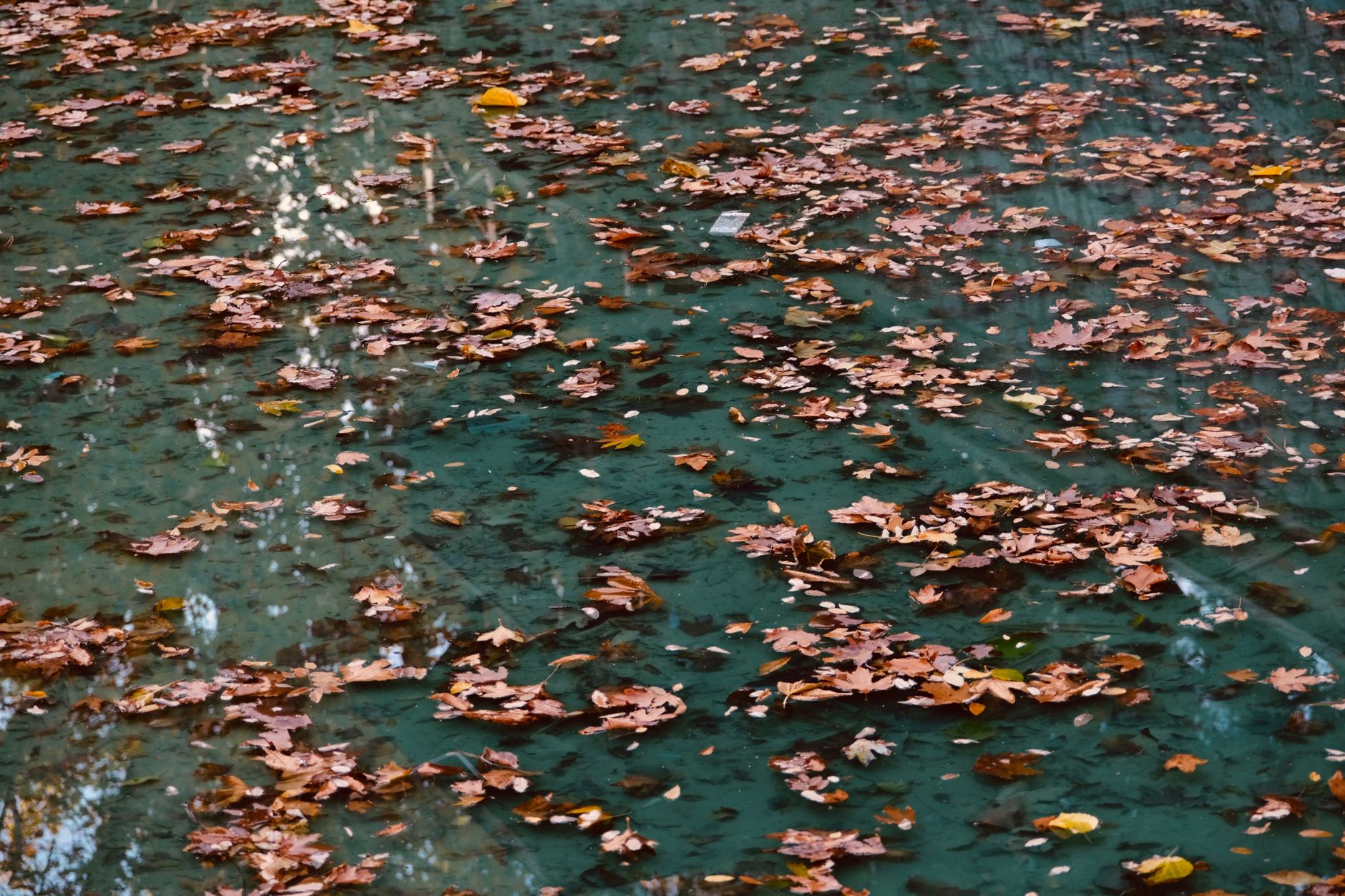

Leaves in pool refers to organic debris that needs quick removal before it sinks, breaks down, and loads the water with tannins and fine fragments. Once leaves waterlog, they spread across the floor, clog baskets, cloud the water, and drive up chlorine demand.
If you are dealing with fall drop, wind, or storm cleanup, the best approach is simple and practical. You need the right tool, the right order, and steady circulation to keep the job from turning into a pump problem.
Why Leaf Buildup Becomes A Pool Problem
Fresh debris is easy to grab, but sunk debris is what creates the real mess. As leaves break apart, they release dissolved organic material that the pool has to process before the water clears.
That extra load works against circulation and sanitizing at the same time. Once leaves sit long enough, they use up chlorine faster and make the filter carry more than it should.
Floating Debris Is Not The Same As Settled Debris
A floating leaf is still in the easiest stage of removal. A waterlogged leaf sinks, tears, and moves into the circulation path, where it becomes smaller pieces instead of one clean pickup.
That change matters because cleanup gets slower while the debris load gets bigger. A maple leaf pile after a storm can look harmless for an hour, then leave tannin staining and cloudy water by evening.
Clogging And Visibility Hazards Go Beyond Appearance
Skimmer baskets, pump baskets, and filters can clog fast under leaf load. When flow drops, the pump strains and the water loses the movement it needs to stay clear.
Leaves can also hide steps, edges, and shallow areas, which makes routine use less safe. That is why pool maintenance for leaves is more than a cosmetic task.
Once you see it as a flow and chemistry issue, the cleanup order becomes easier to follow.
Because water moves, the quickest cleanup starts with the debris that is easiest to grab.
The Fastest Cleanup Sequence For Fresh Debris
Start at the surface, then work inward. That keeps the heaviest material out of the plumbing and gives you the fastest route back to clear water.
A pool skimmer or leaf rake handles the bulk, while the baskets and filter catch what is left. Removing large pieces first protects the pump and shortens the rest of the job.
Skim The Surface Before Leaves Waterlog
Use a fine pool leaf skimmer for scattered debris and a leaf rake for thicker patches. The wider rake mouth lifts wet piles without pushing them to the floor.
Work from the windward side of the pool, where leaves usually collect in one corner or along the steps. That small bit of yard physics saves time because the debris already drifted there.
Empty Baskets Before Flow Drops
Skimmer baskets and the pool pump basket fill quickly after a storm. Clear them early, because a packed basket can choke circulation long before the filter looks dirty.
Make basket checks part of every cleanup pass when the pump sounds different. A faint change in pitch is often the first sign that flow has narrowed.
Vacuum Only After The Bulk Is Gone
Use a pool vacuum after the larger pieces are out of the water. That keeps the filter from swallowing whole leaves and lets it handle fine fragments instead of a heavy pile.
For settled clumps, brush them toward the deep end only when circulation can keep up. Then restart the system once the load is lighter and the floor is clear enough for vacuuming.
Hand-Clear Large Piles When Circulation Is At Risk
A quick hand scoop is faster than a clogged impeller. If one corner has a thick wet mound, pull it out by hand or with a leaf rake before the pump keeps pulling against resistance.
In one common case, a suction-side cleaner keeps choking on oak leaves after a windy night. Adding a leaf canister or pausing the cleaner until the surface is clear solves more than one service call.
That triage order matters even more when you compare the tools side by side.
Different messes call for different tools, and the best choice depends on how the debris has settled.
Choosing Between Nets, Rakes, Vacuums, And Cleaners
The right tool depends on where the leaves are and how far they have gone. A surface net handles fresh debris, a rake handles volume, a vacuum handles the floor, and an automatic pool cleaner helps with routine upkeep.
This is a mechanical problem first. The tool choice changes with the stage of the debris, and the wrong choice usually means more clogging.
| Tool | Best Use | Main Limitation |
|---|---|---|
| Pool leaf skimmer | Scattered floating leaves and daily touch-ups | Slower on thick, wet piles |
| Leaf rake for pool | Heavy surface mats and clumps after storms | Less efficient on tiny fragments |
| Pool vacuum | Sunk leaves and settled debris on the floor | Can clog fast on large loads |
| Automatic pool cleaner | Routine fine debris between storms | Weak with big leaf piles |
Surface Tools Handle The First Pass
For the first pass, manual removal wins. A pool net gives you fast control over floating pieces, and a leaf rake reaches the heavy clumps that nets miss.
That matters with broadleaf trees like maple and oak, which drop larger, flatter debris than pine needles. The shape changes how the basket fills and how fast clogging starts.
Vacuum And Cleaner Jobs Start Later
A pool vacuum works best once the floor has only settled scraps left. An automatic pool cleaner helps with routine maintenance, but it is not a substitute for first-pass removal after a big drop.
When the system has less bulky material to process, it runs with less strain. That same logic shows up in equipment guidance that emphasizes clean filters and steady circulation.
Use the cleaner after the heavy sweep, not before it. A cleaner buried in wet leaves spends its time clogging instead of moving water.
Once the tool choice is clear, the next step is protecting the pump and filter while you clean.
With the right tool in hand, attention shifts to keeping the circulation system from eating the mess.
Protecting The Pump, Filter, And Circulation System
A heavy leaf load can stress equipment within one cleaning cycle. The fix is to keep flow open, empty baskets before they pack solid, and keep the filter from doing leaf-rake work.
Steady circulation is the goal. When debris blocks that flow, the whole system has to work harder for the same result.
Watch Basket Fill Levels Before The Pump Starves
A skimmer basket that fills to the top can reduce suction enough to change how the pool cleans. Empty it before it chokes the line, because restricted flow can shorten the time between filter cleanings and raise pump strain.
Hayward technical manuals and other equipment guides say the same thing in plainer terms: clean the basket, protect the pump, keep the water moving.
Read The Filter Symptoms Early
Weak returns, a rising pressure gauge, and sluggish circulation point to filter loading. Backwashing or cleaning at the maker’s recommended interval keeps the filter from becoming the bottleneck.
When the pool has taken on a heavy leaf dump, remove the bulk before you expect the filter to recover clarity. That leaves the filter to catch fine debris instead of whole piles of organic matter.
Pause Circulation During Extreme Debris Load
Sometimes the safer move is to stop the pump briefly and hand-remove the worst pile. A basket full of soggy leaves can starve the pump for water and turn a cleanup into a service problem.
Once the load is lighter, restart the system and let circulation finish the job. That sequence keeps the equipment from fighting a mass it was never built to chew through.
Even with the equipment protected, old debris can still leave the water cloudy or stained.
Once circulation is guarded, lingering discoloration often comes down to what the leaves left behind.
Keeping Water Clear After Leaves Sit Too Long
Once leaves sit in the water, the problem shifts from cleanup to chemistry. Decomposing organic debris raises chlorine demand, clouds the water, and gives algae more room to gain ground.
Water clarity depends on sanitizer level, pH balance, and filtration. Remove the debris, then give the water time and circulation to settle back down.
Cloudiness Usually Starts With Organic Load
Cloudy water after a leaf dump is often a sign that the pool spent too long processing plant material. Tiny fragments and dissolved organics stay suspended until filtration and sanitizer catch up.
That is why a clean-looking surface can still hide a chemistry problem. The leaves are gone, but the water still carries their load.
Staining Needs Fast Mechanical Action
Tannin staining can set on plaster, vinyl, and tile where wet leaves sit for hours. Brown marks around steps or along the shallow end often trace back to leaf piles that were not scooped out in time.
Scrubbing alone will not fix that. Remove the debris, check sanitizer levels, balance pH, and run circulation long enough for clarity to return.
Algae Pressure Rises When Cleanup Lags
Organic matter feeds the problem indirectly by adding fuel for algae growth and by using up oxidizer that would have stayed in the water. That makes a small delay feel bigger by the next day.
One common recovery pattern is simple: skim, vacuum, test sanitizer, correct pH, and keep the system running through the recovery window. The water should clear faster once the load is gone.
After recovery, the real win comes from stopping the next pile before it forms.
Recovery only goes so far unless the next storm has fewer places to start a new pile.
Stopping Repeat Buildup Through Fall And Storm Season
Daily removal becomes the norm during heavy leaf drop, especially after wind or rain. That pace keeps debris from sinking overnight and lowers the chance of staining.
Seasonal guidance points in the same direction: more skimming, more basket checks, and more frequent filter attention during autumn and storm periods.
Set A Near-Daily Leaf Routine
- Skim after wind. A five-minute pass prevents a thin layer from becoming a wet mat.
- Check baskets daily. Heavy drop fills skimmer and pump baskets faster than normal circulation can clear.
- Brush storm corners. Wind patterns push debris into the same sheltered spots again and again.
- Vacuum settled bits. Small fragments on the floor need removal before they stain or cloud the water.
- Inspect after rain. Storm runoff, twigs, and leaves often arrive together.
Use Covers Without Turning Them Into Debris Traps
A pool cover helps most when it blocks fresh drop from reaching the water. It also needs clearing, because leaves left on top soak up water, sag, and become harder to move.
That is the tradeoff: the cover protects the pool, but it still needs attention. Brush or blow it clean before the pile turns into a soggy tarp with a compost layer on top.
Trim Trees And Match The Schedule To The Yard
Overhanging limbs, seed pods, and pine needles all change the cleaning load. A maple near the deep end behaves differently from a pine line along the fence, so the routine should match the tree species and the season.
Shorter runs after storms, more frequent skimming in fall, and a quick basket check before each swim form a solid cadence. That is also the simplest way to keep leaves in pool from becoming the whole maintenance story.
A simple routine of skimming, trimming, and checking before each swim keeps the problem from returning.
Final Look
The fastest fix is mechanical, not chemical: remove the bulk, protect the baskets, and let circulation handle the fine work. Fresh leaves are a skimming problem; soaked leaves become a water-quality problem. Once you match the tool to the stage, cleanup gets faster and the pool stays easier to manage.
FAQ
How do you get leaves out of a pool quickly?
Use a pool skimmer or leaf rake to remove floating debris, then empty the skimmer basket and pump basket before the pump starts to strain. A vacuum comes next, after the surface load is gone and the filter can handle fine debris.
Can leaves in a pool affect chlorine levels?
Yes. Organic debris raises chlorine demand as it breaks down, so sanitizer gets used up faster. Clear water gets harder to hold when visible debris stays in the pool too long.
Why do leaves clog pool skimmers and filters?
Leaves swell with water, fold over each other, and pack tightly in narrow openings. That blocks the skimmer basket, reduces flow to the pump, and sends more debris toward the filter than it was built to handle.
Should you vacuum leaves out of a pool or skim them first?
Skim them first. Vacuuming works better after the heavy material is out, because the vacuum and filter can then focus on settled fragments instead of a thick layer of whole leaves.
How can I keep leaves from falling into my pool?
Use a pool cover during heavy leaf drop, clear the cover itself, and trim nearby branches that overhang the water. A near-daily skimming routine during fall and after storms keeps the problem from building up again.