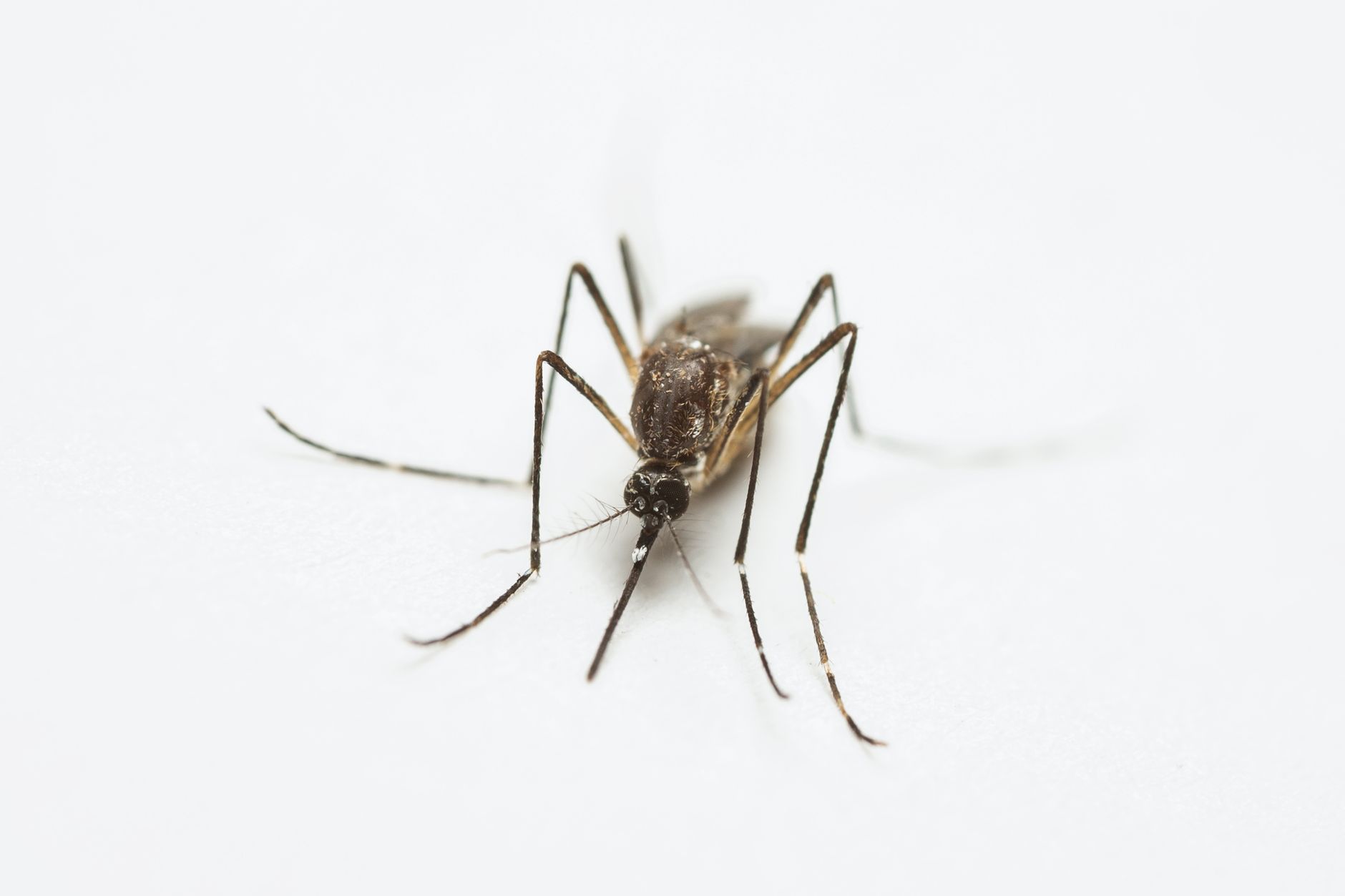

Tiny wriggling creatures at the surface of still water are the young stage of mosquitoes before they mature. They usually show up when circulation slows, a skimmer clogs, or a cover traps rainwater.
You can clear them, judge whether swimming is smart, and fix the conditions that let them return. The key is to treat stagnation, sanitation, and hidden dead spots as one problem.
How Mosquito Larvae Show Up In Pool Water
Near the waterline, tiny moving commas often signal that mosquito eggs have hatched and the larvae are feeding. They twitch, pause, and hang in place to breathe, which separates them from most debris and algae.
They tend to collect where water moves least: corners, skimmer edges, cover folds, and low spots beside the basin. Still water gives adult mosquitoes a place to lay eggs, and a quiet pocket can become mosquito larvae in stagnant pool water fast.
Larvae are slender and move in short bursts. Algae smears, plant matter, and harmless aquatic insects behave differently, so a close look matters before you choose a fix.
Visual Clues That Matter
Larvae stay near the surface because they breathe through a siphon. The tail dips, the front end hangs down, and the body snaps forward in a quick wiggle.
A pool net, a bright flashlight, and a calm corner of water give you the clearest view. That quick check also helps you rule out algae and floating debris before you start cleaning.
Once the shape is obvious, the next step is figuring out why a treated pool still turned into a breeding site.
A treated surface can still hide tiny pockets where stagnant water gives larvae exactly what they need.
Why A Clean-Looking Pool Can Still Breed Mosquitoes
Clear water does not always mean moving water. Mosquitoes can lay eggs in a shallow pocket under a winter cover, in a quiet skimmer channel, or in a return-line dead zone that barely stirs.
Low free chlorine level, a stopped pump, or a clogged filter gives those eggs a place to hatch. That lines up with guidance from the CDC and UC IPM, which tie the problem to standing water and weak pool circulation rather than surface appearance alone.
Rain can dilute sanitizer after a storm. A saltwater pool can drift out of range, too, because the salt cell is not the main barrier against larvae; circulation and sanitizer level are.
Stagnant Water Does The Real Work
Mosquitoes need still water to finish their life cycle. The larvae feed on tiny organic particles, then pupate, and adults emerge as soon as the water stays calm long enough.
Winter covers and solar covers hide the best breeding pockets because they trap rainwater and leaf sludge. A folded tarp can hold a shallow basin that stays warm and quiet for days, which is all the insect needs.
That is why you can have a pool that looks fine from the patio and still needs a hands-on inspection before anyone swims.
Because those pockets can linger unnoticed, a quick visual check is never enough before swimmers get in.
One dead zone can be enough. A pool that moves well in the center but stalls behind a ladder or under a cover fold can still support larvae.
Swimming Safety While Larvae Are Present
The larvae themselves are not the main hazard. The bigger concern is the maintenance failure behind them, because the same stagnant water that supports mosquito growth can also mean weak sanitation and poor water quality.
A chlorinated, filtered pool with moving water is different from a cloudy basin with the pump off. Penn State Extension, CDC, and UF IFAS all point to the same rule: larvae signal a pool condition that needs correction before normal use resumes.
If the water is clear, the pump is running, and the free chlorine level is in range, you can usually use the pool after you correct the dead spot. If the water is cloudy, the filter is off, or larvae are spread across still areas, wait until the pool is treated and tested.
| Pool Condition | What It Suggests | Use It Now |
|---|---|---|
| Clear water, pump running, chlorine in range | Local dead spot or cover pocket | Check and correct the weak area before routine use |
| Cloudy water, weak odor, filter off | Sanitation and circulation problem | Hold off until testing and cleanup are done |
| Visible debris and larvae near skimmer | Organic buildup and low surface movement | Skim, run the system, and retest |
That table gives you the practical line: larvae plus stalled maintenance means the pool needs work, not a shrug. Once the water is back in range, the cleanup steps are straightforward.
The next step is a fast recovery sequence that restores movement first and chemistry second.
When larvae are already present, the safest response is to restore circulation before anyone treats the water.
The Fastest Way To Clear An Active Infestation
Start with the water, not the chemicals. Physical removal and restored circulation do more in the first hour than a blind dose of chlorine ever will.
For a pool with visible larvae, the quickest path is to remove what you can see, get the pump running, and bring free chlorine and pH level back into range. EPA and UC IPM both center mosquito control on source removal plus water movement, and that logic fits pools perfectly.
Skim, Brush, And Remove Dead Water
Use a fine net to lift larvae, leaves, and floating sludge from the surface. Empty the skimmer basket and pump basket, too, because trapped debris feeds the same stagnant pocket that sheltered the larvae in the first place.
Brush corners, steps, and the waterline. A week-old film in a quiet corner can hold enough organic matter to keep a small colony going, especially after rain or a power outage.
Run The System Without Gaps
Keep the pool filtration system on continuously until the water moves cleanly through every return. A dead zone behind a waterfall feature or bench can stay protected if the main pool circulation never reaches it.
Test free chlorine level and pH before you add anything else. Chlorine works best in balanced water, and a pH level that drifts too high weakens sanitizer activity fast.
Use Larvicides Only In The Right Place
EPA and UC IPM both support approved larvicides for standing water that cannot be drained or moved. Bti, the active ingredient in Mosquito Dunks and Mosquito Bits, fits puddles on covers, drains, or adjacent water-holding spots better than the main swimming basin.
That distinction matters. A larvicide can help in trapped water, but it does not replace circulation, brushing, or proper pool chemistry in the water you actually swim in.
For the pool itself, circulation and sanitizer control do the heavy lifting. Chlorine tablets and shock become support tools after the water is moving again.
Once the water is moving again, chemical fixes can finish the job without fighting trapped pockets.
Tip: A strong shock dose is not a shortcut around a dead pump. Restore movement and remove debris before you expect chemistry to do the rest.
What Chlorine Tabs And Shock Can Do
Chlorine tablets help maintain a sanitizer level over time, but they do not fix a pool with no circulation. A feeder can add chlorine to the water, yet larvae in a quiet corner can still survive long enough to pupate.
Pool shock can help after chlorine has dropped, especially after heavy rain, a long outage, or a vacation stretch. Even then, shock works best with skimming, brushing, and the pump running, because chemistry alone cannot reach every stagnant pocket.
CDC guidance is plain on the biology: mosquitoes breed in standing water. That means tabs and shock support the cleanup, but they are not a standalone answer when the real issue is stagnant pool water.
| Tool | What It Does | Where It Falls Short |
|---|---|---|
| Chlorine tabs | Helps hold sanitizer in range | Cannot fix dead circulation |
| Shock treatment | Raises sanitizer quickly | Does not reach hidden standing water by itself |
| Filtration and circulation | Moves water and spreads sanitizer | Needs clean baskets and clear plumbing |
A saltwater system follows the same rule. The salt cell only matters if the water moves through it and the pool stays balanced, which is why the mechanical fix comes before the chemical finish.
That mechanical focus also explains why the same problem keeps coming back unless you change the habits that create dead spots.
Even strong treatment falls short if debris, shade, or poor flow keep creating quiet breeding zones.
Keeping Mosquitoes From Returning To The Pool
Regular movement shuts the door on repeat breeding. Clean baskets, clear skimmers, and balanced chemistry make the basin far less attractive than a quiet gutter, planter, or tarp pocket nearby.
UC ANR, CDC, and EPA all point to the same habits: remove standing water, keep the pool functioning, and empty or service unused pools. That still leaves a few small places where problems like to hide.
Seasonal Habits That Matter
- Run the pump daily: Keep surface movement steady enough that quiet corners do not sit untouched.
- Empty baskets often: Skimmer and pump baskets fill with leaves fast after storms.
- Brush the walls: Film and fine debris collect where return flow weakens.
- Check cover pockets: Rainwater on winter covers and solar covers can hold larvae.
- Drain nearby puddles: Deck dips, plant trays, and tarps can feed adult mosquitoes back into the area.
Unused pools need special care. UC IPM recommends covering or emptying them, and that advice matches the biology: a quiet, unattended basin is an open breeding site.
Root Causes Worth Fixing
A slow leak, a clogged drain, or a bad return jet can create the same problem again and again. Repairing the pool circulation fault matters more than repeating chemical treatment on a broken system.
That is the real lesson behind mosquito larvae in pool water: larvae are a symptom, not the source. Fix the stagnant spot, and the problem loses its place to grow.
From there, the final checklist is simple: look for standing water, keep flow moving, and stay ahead of the hidden corners.
Those same trouble spots are the reason prevention depends on routine checks, not one good cleanup.
Final Thoughts
Mosquito larvae in a swimming pool usually mean water has gone still somewhere, even if the main basin looks fine. Skim, run circulation, test chemistry, and check covers, skimmers, and nearby standing water before you assume the problem is solved.
FAQ
What are mosquito larvae in a pool?
That a pool are the immature stage of mosquitoes that hatch from eggs laid in still water. They hang near the surface, move in short wriggles, and grow best in calm pockets with weak circulation.
Is it safe to swim in a pool with mosquito larvae?
A chlorinated, filtered pool with good circulation is one thing; a cloudy, neglected basin is another. The larvae point to a maintenance problem, so regular swimming should wait until the water is cleaned and chemistry is back in range.
How do you kill mosquito larvae in a pool?
Start by removing visible larvae and debris, then run the pump and filter nonstop until circulation is restored. Test free chlorine level and pH level next, and use a labeled Bti product only for stagnant water that cannot be moved or drained.
Will chlorine tabs kill mosquito larvae?
Tabs help keep sanitizer in the water, but they do not solve dead spots or hidden standing water. A feeder can support a healthy pool; it cannot rescue a basin with the pump off or a cover pocket full of rainwater.
What kills mosquito larvae in water instantly?
No single pool chemical works as a universal instant fix in every situation. Physical removal, restored circulation, and proper sanitizer levels do the real work in a pool, while Bti fits separate standing water like cover pockets or nearby puddles.
Why are there mosquito larvae in my pool?
Adult mosquitoes lay eggs in still water, and larvae grow where the water stays quiet long enough. Power outages, clogged baskets, weak return flow, winter covers, and rain-diluted chemistry are common triggers.