Don't miss our holiday offer - up to 50% OFF!

Pool Algae: Identification, Removal, and Prevention

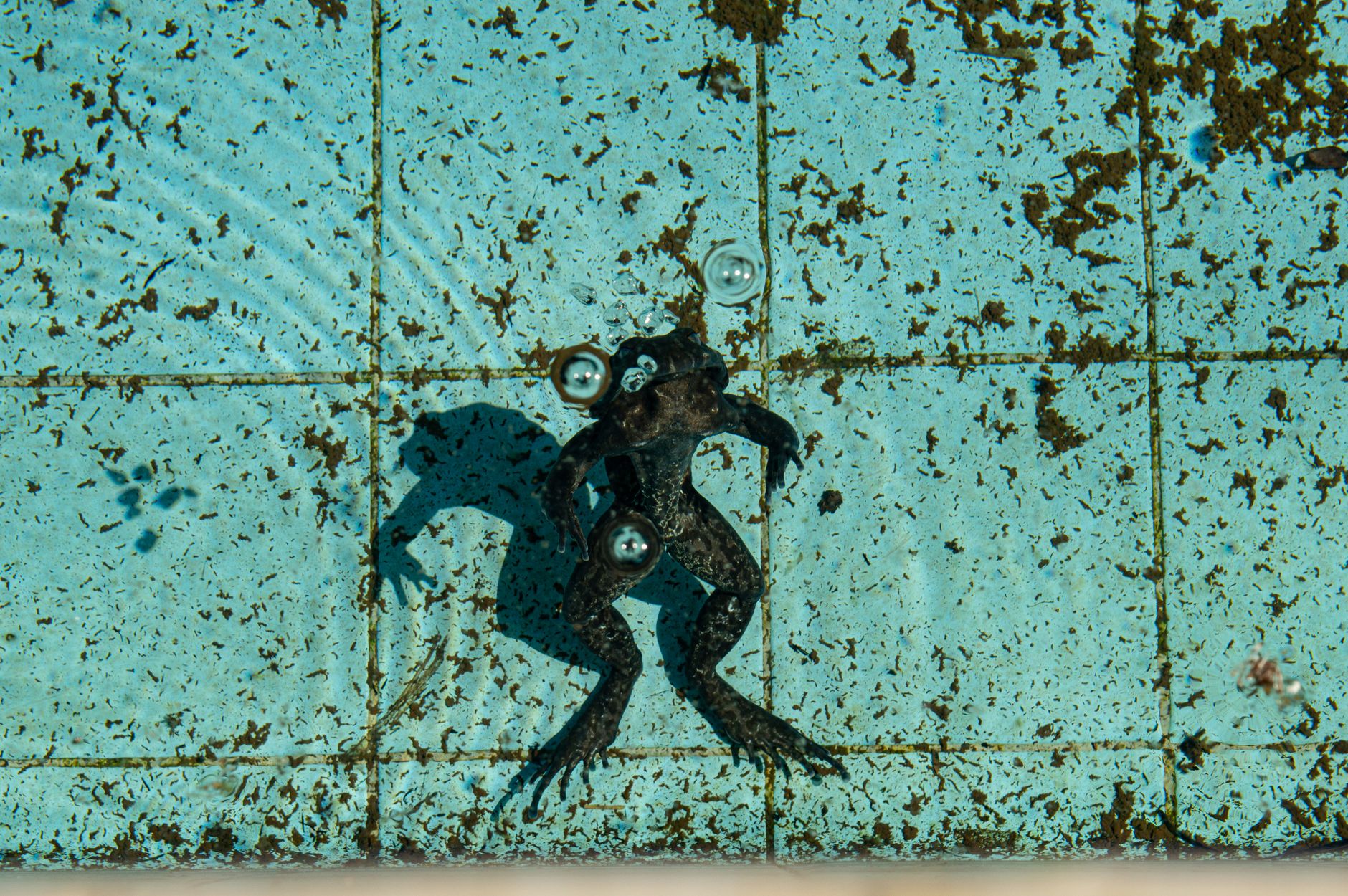
Green, yellow, or black growth on walls and steps usually points to weak sanitation, poor circulation, or both. It can turn water green, leave yellow film on shaded walls, or cling as dark spots in plaster and grout.
If your pool looks dull, feels slippery, or keeps a film on the shady side, the fix starts with identification and ends with routine control. You need the right cleanup order, plus the water-balance habits that keep it from coming back.
Reading The Signs In Water And On Surfaces
Color and texture usually give the first warning. Cloudy or discolored water can appear before visible growth shows up on walls, steps, or fittings, and that early change is worth catching fast.
Slippery surfaces, hazy water, and patches on tile or plaster point to a sanitation gap. Wind, rain, swimmers, and contaminated gear can carry spores into the pool, then they settle where circulation is weakest.
Color And Texture Give The First Clues
Green growth tends to float through the water or coat open surfaces. Yellow or mustard growth clings to shaded spots and can look like dirt until you brush it. Black spots are different again; they sit in porous material and leave stubborn dark marks on grout, plaster, and rough finishes.
A dull surface with no obvious bloom can still be the start of trouble. That’s why a clear pool isn’t the same thing as a clean one, especially around steps, ladders, and the waterline.
Location Reveals The Weak Spot
Growth in corners, behind ladders, inside skimmer throats, and near returns points to dead zones. Those areas get less movement, so sanitizer reaches them more slowly. Penn State Extension and University of Florida IFAS Extension both tie recurring growth to low-flow spots and thin brushing routines.
Once you know where it forms, the cause becomes easier to pin down. That leads straight into the water chemistry and equipment problems that let the colony settle in.
When chemistry and flow drift off balance, the surface changes first, revealing where the bloom got its foothold.
Why Algae Takes Hold In The First Place
Low sanitizer levels give spores room to spread. Weak chlorine or bromine, poor circulation, and inadequate filtration set the stage, and that pattern shows up in public health guidance and extension advice alike.
Free chlorine is the main daily control in chlorinated pools, and pH changes how well it works. A dirty filter, high bather load, warm water, and debris from leaves or dust add demand faster than the system can recover.
Sanitizer, pH, And CYA Work As A Team
Free chlorine should stay in range for the pool’s cyanuric acid level. CYA protects chlorine from sunlight, but high CYA also reduces chlorine activity, so a pool can test normal and still drift into algae-friendly territory.
pH matters too. High pH reduces sanitizer punch and can leave scale or rough film that gives growth a place to cling. In practical terms, a pool with decent chlorine and dirty walls can still bloom after a week of heat and sun.
Circulation And Filtration Shape The Whole Problem
Pumps, returns, and filters do more than move water around. They spread sanitizer, carry debris toward the filter, and stop stagnant pockets from forming. When any part slows down, spores settle and biofilm starts to build.
Biofilm is the slimy coating that shelters organisms from treatment. Once that layer forms, brushing and filtration matter more than adding more chemical alone. That’s why the next section starts with physical cleanup, not a bottle cap.
Because the colony is already established, physical removal has to come before any chemical finish.
Warning: A pool that keeps turning cloudy after treatment usually has a circulation or filtration problem, not just a sanitizer problem.
The Fastest Cleanup Sequence For An Active Bloom
The fastest recovery starts with brushing, then water balance, then a strong sanitizer event, then nonstop filtration. That sequence treats removal and circulation as part of the same fix, not a side task.
Dead growth still has to leave the water. Add chemical treatment alone and walk away, and the filter becomes the bottleneck while the water stays dull for days.
Brush Before Anything Else
Brush all surfaces. Walls, steps, seams, ladders, and the waterline need fresh contact so sanitizer can reach what biofilm was shielding.
Clean the water path. Skim leaves, vacuum settled debris, and empty baskets before the pump starts moving heavy material through the system.
Check pH and free chlorine. Balanced water gives the treatment a better chance to work through the whole pool instead of stalling in one zone.
Run the filter nonstop. Continuous circulation helps pull dead growth out of the water and keeps fresh sanitizer moving through dead spots.
Clean the filter media. Backwash sand or DE systems, rinse cartridges, and clear skimmer baskets so flow does not collapse under the load.
Physical Removal Beats Chemicals On Heavy Growth
Visible mats and slimy surfaces need brushing and vacuuming before chemical work can finish the job. That matters because sanitizer reaches the outer layer first, while the deeper mass can stay protected under debris and film.
In one common backyard case, a pool turns dull green after a week of rain and leaf litter. Rain dilutes sanitizer, organic matter feeds the bloom, and a clogged filter lets it spread. The fix is mechanical removal plus sustained circulation, not a single treatment pass.
Mechanical cleaning clears the bulk, but different algae types still demand their own approach.
Treating Green, Yellow, And Black Algae Differently
The color tells you how aggressive the cleanup needs to be. Green growth clears fastest, yellow growth clings harder than it looks, and black growth is the toughest because it settles into rough or porous surfaces.
That difference matters for shock treatment, brushing pressure, and how many times you revisit the same spot. Penn State Extension says the type of growth changes the cleaning plan, and that is exactly right.
| Type | Where It Shows Up | What Works Best |
|---|---|---|
| Green growth | Water, walls, open floors | Aggressive brushing, sanitizer reset, strong filtration |
| Yellow or mustard growth | Shady walls, steps, vinyl seams | Thorough brushing, careful equipment cleaning, sustained sanitizer level |
| Black growth | Plaster, grout, cracks, rough finish | Repeated brushing, targeted treatment, patience with porous spots |
Green Growth Clears Fastest
Green algae in pool water is the most common form, and it’s the easiest to knock back. A hard brush, a proper sanitizer level, and clean filtration usually handle it, though the water can still look dull until the debris is filtered out.
A vinyl-liner pool with green film along the sunny side often points to low free chlorine and weak brushing. Once both are corrected, the bloom usually loses ground fast.
Yellow Growth Hides In Shade
Yellow algae in pool water can fool you because it looks like dirt or pollen. It clings to shaded walls, steps, and fittings, and it can return after a casual brush if sanitizer stays low or the filter stays dirty.
This type also tends to spread to tools and swimsuits more easily than people expect. Clean brushes, nets, and steps at the same time so you don’t move the growth from one spot to another.
Black Growth Anchors Deep In Surfaces
Black algae in pool walls is stubborn because it forms dark nodules that sink into rough plaster or grout. The surface dot is only part of the problem; the colony can sit deeper than the brush bristles reach on the first pass.
A plaster pool with black specks that return after surface cleaning needs repeated brushing and sustained sanitizer contact. Older finishes, scale, and tiny cracks make the job harder because they give the colony a place to hold.
Even after treatment begins, stubborn residue clings to places a quick pass never reaches.
Cleaning Surfaces, Filters, And Hidden Trouble Spots
Brushwork doesn’t stop at the visible stain. Steps, corners, seams, light niches, and the back side of ladders can keep seeding growth long after the main water clears.
Surface cleaning and filter care work together, which is why the shell, plumbing ends, and filtration gear all need attention. Treat the pool as one system, and the stubborn spots become easier to find.
Target The Low-Flow Areas
Returns, skimmer throats, light niches, and water features deserve the same attention as the floor. Those spots move less water, so they trap debris and shelter biofilm.
A wall can look clean while a ladder mount or return fitting still carries the next bloom. A nylon brush on these spots is more useful than a quick pass from a net.
Clean The Filter Path Before Refill And Reopen
Backwash sand or DE filters, rinse cartridges, and clear skimmer baskets as part of the cleanup, not after it. Filter media packed with dead growth slows flow and sends cloudy water back into the pool.
Water care works best when circulation, filtration, and sanitizer residual stay in step. Break one link, and the rest of the system slips.
Once the buildup is gone, the real work shifts to keeping the same imbalance from returning.
Tip: Brush from the shallow end to the deep end, then vacuum in slow passes so the filter can catch loosened material instead of stirring it back up.
Keeping Pool Algae From Coming Back
Regular testing stops most repeat blooms before they start. Free chlorine or bromine should stay in range, pH should stay balanced, and the pump should run long enough each day to move fresh water through every corner.
Sunlight, heat, debris, and heavy swimmer load all raise sanitizer demand. Recurrence usually tracks back to low chlorine, skipped brushing, and short circulation time, which is why a steady routine works better than rescue treatment after the water turns.
Build A Simple Maintenance Rhythm
Test the water often. Check sanitizer and pH before the water turns dull, not after.
Brush weekly. Hit steps, seams, corners, and shaded walls before film can settle in.
Keep the filter clean. A clogged system cannot move enough water to hold algae back.
Watch circulation time. Short pump runs leave dead zones around fittings and behind accessories.
Clean after storms. Rain, dust, and leaf litter add nutrients and dilute sanitizer in one shot.
Track repeat spots. The same corner or step that blooms twice is showing you where flow needs work.
Balance Beats Add-Ons
Algaecide can help as support, and products such as polyquat 60 are often used in maintenance plans. But it doesn’t replace free chlorine, brushing, or filtration cleanup.
That’s the maintenance mindset that lasts: clean the surfaces, watch the filter, and fix circulation before the next bloom gets a foothold. Once those habits are steady, the water stays clearer with far less effort.
Routine attention to circulation and filtration keeps the water stable long after the last treatment.
Final Thoughts
A stubborn bloom in the water often signals that sanitation, movement, or cleaning slipped out of range. Spot the color, clean the surfaces, correct the water, and keep the filter moving. That sequence clears the bloom and cuts the odds of a repeat.
FAQ
What causes algae in a pool?
Low sanitizer, weak circulation, dirty filters, and water chemistry that drifts out of range give spores the room they need. Wind, rain, swimmers, and contaminated gear can bring growth in, then dead zones let it settle and spread.
How do you get rid of algae in a pool fast?
Brush the walls and steps, clean out debris, balance pH, raise sanitizer to the needed level, and run the filter nonstop. Physical removal matters most when the bloom is visible, because chemicals work better once the slime layer is broken apart.
Why does algae keep coming back in my pool?
Recurring blooms usually trace back to a low free chlorine level, poor circulation, a dirty filter, or a spot that never gets brushed. Shaded corners, ladders, returns, and light niches are common seed points.
What is the difference between green, yellow, and black algae?
Green growth is the easiest to clear and often spreads through open water and walls. Yellow or mustard growth clings to shady spots, while black growth settles into rough or porous surfaces and needs repeated brushing plus sustained treatment.
Do you need to shock a pool to kill algae?
Shock treatment is part of many cleanup plans, but it works best with brushing, filtration, and proper pH. Dead material still has to be removed, so shock alone rarely finishes the job.
How do you prevent pool algae from returning?
Keep free chlorine or bromine in range, test water on a regular schedule, brush surfaces, and let the pump run long enough to move water through dead zones. Clean filters and skimmer baskets before flow drops.