Don't miss our holiday offer - up to 50% OFF!

Pool Flow Meter: Installation, Readings, and Troubleshooting

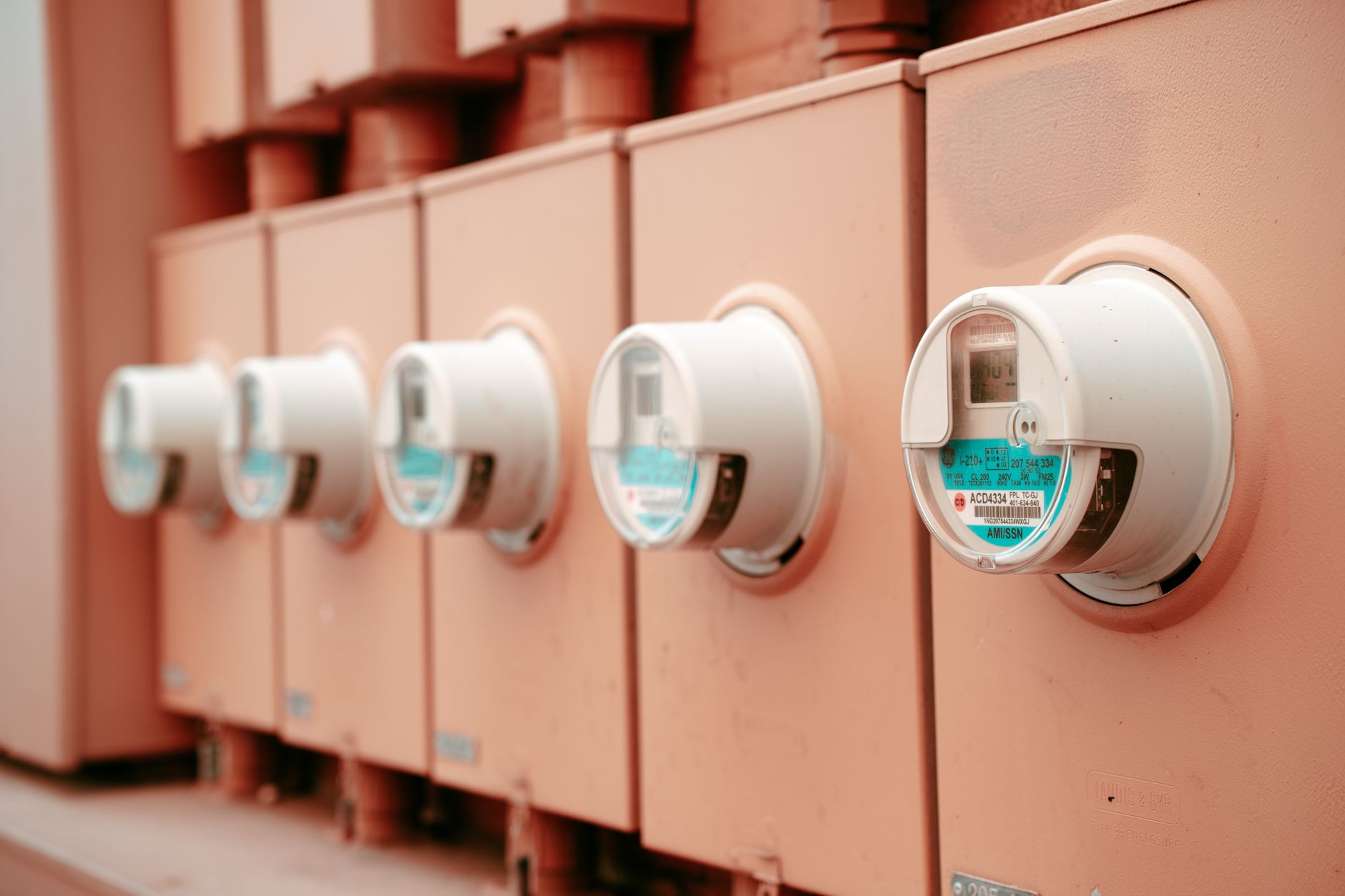
Pool flow meter refers to a device that measures how much water moves through pool plumbing, usually in gpm, so you can verify circulation instead of guessing from pump noise or water clarity alone. That reading helps you judge whether the pump, filter system, heater, and chlorinator are getting enough water.
If you service pools or maintain one at home, the same number can save time on diagnostics and reduce trial-and-error fixes. You’ll see where it belongs in common plumbing layouts, how to read it, and how to use it alongside pressure and equipment behavior.
What A Flow Meter Adds To Pool Maintenance
Flow gives you the missing half of the picture when pressure starts acting strange. A pressure gauge can climb because the filter is loading up, while actual circulation falls at the same time.
A pool flow meter turns that guesswork into a direct reading of water movement through the loop. That matters for skimming, sanitizer mixing, and turnover rate, especially when the plumbing includes a heater or a chlorinator.
Flow And Pressure Are Not The Same Signal
Pressure tells you how hard the water is pushing against resistance. Flow tells you how much water is actually passing a point each minute.
A cartridge filter may show higher pressure after debris builds on the media, yet the pool circulation flow rate can drop because the pump is moving along a different point on its curve. That cause-and-effect is why pump labels alone rarely tell the whole story, and why Pentair and Hayward both publish pump curves for real-world comparison.
Heaters, Salt Systems, And Chlorinators Depend On Real Flow
Gas heaters and salt chlorine generators often need minimum flow to operate safely and consistently. If the pool pump flow rate falls too far, water can stratify, chemical mixing weakens, and the system may stop heating or generating as intended.
That also affects backwash performance, because weak circulation can leave debris trapped in the filter longer than it should. EPA WaterSense materials stress circulation and filtration for that reason, and University of Florida IFAS Extension explains the same basic chain: moving water carries sanitizer, feeds the filter, and reduces dead zones.
With that baseline in mind, the next issue is where the meter belongs so the number you get is worth trusting.
That baseline only helps if the meter sits where the flow stays smooth and dependable.
Placement That Keeps The Reading Trustworthy
Placement matters because turbulence can distort a reading before the water reaches the sensing element. A straight, fully flooded section of pipe gives the meter the calmest signal.
For pool flow meter installation, put the device where the water stream has settled and the pipe is full. Hayward FlowVis and Pentair both emphasize the same principle: keep it away from elbows, tees, check valves, heaters, and chemical feeders when possible.
Where The Meter Fits In Common Plumbing Runs
The most practical location is often on the main return line after the pump and filter, because that shows what the circulation loop is actually delivering. That spot usually reflects the whole system better than a side branch that carries only part of the load.
- After the filter: This is a common location because it shows cleaned water moving through the rest of the system.
- Before the heater: This can help confirm the heater is receiving enough flow before water enters the heating system.
- Before the chlorinator: This placement helps protect chemical feeders from misleading readings caused by downstream restrictions.
- After a check valve: Avoid this if the valve creates turbulence, but use it when the valve must protect downstream equipment.
- Main return line: This is usually the best choice when you want one reading for the whole loop, not a branch line.
Some layouts need the meter before the chlorinator, while others work better after the heater and before a check valve. The exact choice depends on pipe size, flow direction, and the meter type, so the product sheet has to match the plumbing you actually have.
Why Straight Pipe Matters So Much
Water leaves an elbow with spin and uneven velocity, and that swirl can make a meter read high or low. A short straight run before and after the unit helps the stream settle.
Keep the line full of water too. Air pockets, a half-filled section, or a sharp bend right before the sensor can turn a useful reading into noise, especially in pool plumbing flow measurement on older equipment pads.
One more installation detail matters: different meters need different conditions. A rotameter, paddlewheel unit, or ultrasonic clamp-on meter all react differently to turbulence and pipe position, so the meter choice has to fit the system before you drill, clamp, or glue anything.
Turbulence and pipe layout can skew everything, which makes the reading itself the next thing to decode.
Reading Gpm With Enough Context To Matter
A GPM display means little by itself, because flow changes with pipe size, total head, filter loading, and pump speed. The number only becomes useful when you compare it with how the system is set up.
GPM is the practical unit for pool circulation because it shows how much water is moving through the loop right now. The Pool and Hot Tub Alliance uses that circulation logic, and the U.S. Department of Energy notes that variable-speed pumps work best when output matches demand instead of running at one fixed speed all day.
What A Normal Reading Looks Like
Normal depends on the installation, not just the pump label. A compact residential pool with short plumbing may run well at a lower number than a larger pool with a heater, a salt cell, and longer pipe runs.
Track a baseline with a clean filter, a known pump setting, and the valves in their usual positions. That gives you a real reference for pool pump flow rate, and it tells you much more than a generic range copied from another setup.
- Clean-filter baseline: Record GPM right after a filter clean so later drops have a real comparison point.
- Pump-speed pairing: Save the RPM or percent setting with each reading so the number has context.
- Valve position: Mark normal valve settings before you start chasing a circulation problem.
- Accessory load: Note heaters, solar branches, and water features because each one adds resistance.
- Seasonal shifts: Compare summer and cooler-weather readings separately, since system demand changes.
Variable-Speed Pumps Make Measured Flow More Useful
Variable-speed models can run quietly at low RPM and then move far more water as speed rises. That flexibility is useful, but it also makes motor speed a poor substitute for actual flow.
| Control Signal | What It Tells You | What It Misses |
|---|---|---|
| RPM | Motor speed setting | Plumbing resistance and actual circulation |
| Pressure gauge | System backpressure | Real water volume moving through the loop |
| GPM | Actual pool circulation flow rate | Still needs clean placement and a stable line |
Use the reading to find the lowest pump speed that still supports the heater and chlorinator. That saves energy without starving the equipment, and it gives you a cleaner starting point when flow falls outside the normal band.
Once you know the healthy baseline, the meter becomes a troubleshooting tool instead of just a number on a display.
A steady number becomes useful only when it points to a clogged basket, weak pump, or hidden restriction.
Using Flow Data To Spot Circulation Problems
A drop in GPM is one of the clearest signs of a restriction in the plumbing. A clogged filter, a packed skimmer basket, a partially closed valve, or an air leak on the suction side can all show up there before the water turns cloudy.
PHTA training materials link circulation directly to skimming, filtration, and chemical mixing. EPA guidance says the same thing in broader terms: weak circulation leaves dead zones where debris lingers and sanitizer spread gets uneven.
Low Flow Points To A Restriction Or Air Leak
A dirty cartridge filter can choke the line, and so can a pump basket full of leaves. A stuck diverter valve or a collapsed flex hose can do the same thing on a tighter pad layout.
Air in the pump strainer lid or a low water level in the pool can make the meter bounce instead of settle. That unstable reading points you toward suction-side leaks or cavitation rather than a simple clogged filter, which is why pool flow meter troubleshooting has to use the whole system.
High Flow Can Still Cause Trouble
Too much GPM can hammer the filter, increase noise in the piping, and shorten the useful range of some heaters or feeders. Faster is not always better when the plumbing was designed for lower resistance.
Oversized flow can also upset hydraulic balance. A spa spillover may roar, a return jet may kick sediment off the floor, and a chlorinator may dose unevenly because contact time changed.
Watch flow, pressure, and water condition together. A rise in pressure plus a drop in GPM points one way; cloudy water with weak return jets points another.
A Simple Diagnosis Pattern Saves Time
Start with the meter, then compare it to the pressure gauge and the return stream. High pressure with falling GPM points toward filter loading or a downstream restriction, while low pressure with weak flow points more strongly toward a pump or plumbing issue.
One common service call makes that pattern obvious. The cartridge filter shows high pressure, the return stream looks weak, and the meter confirms low flow, which points to the loaded filter rather than a bad pump.
When no meter is installed, you can still read the plumbing well enough to narrow the problem, but the clues are rougher and easier to misread.
Even without a meter, pressure, sound, and return movement can still reveal where circulation is faltering.
Checking Pool Flow When No Meter Is Installed
Visible water movement still tells you a lot. Strong skimming, solid return jets, and stable pump prime point toward usable circulation, while weak surface draw or air burping from the returns points toward trouble.
UF/IFAS Extension recommends reading the whole system: pressure, basket condition, return strength, and pump behavior. Pentair and Hayward also note that pump curves and system head loss can help estimate flow, but only when you know the installed plumbing and valve settings.
Practical Checks You Can Do Right Away
- Watch the skimmer: Weak surface pull often means circulation is lagging.
- Check the pump lid: Air under the lid points toward a suction-side leak or low water level.
- Read the gauge: A sudden pressure rise can point to a dirty filter or blocked return path.
- Feel the returns: Thin, sputtering jets suggest low circulation or trapped air.
- Listen for strain: Loud pumping noise can point to cavitation or a restriction.
When A Meter Is Worth Adding
Once you have a variable-speed pump, a heater, or a salt cell, the value of measured flow jumps fast. Those parts depend on a minimum circulation rate, and a guess can leave you running too slowly or wasting energy at too high a setting.
Adding a meter also helps after plumbing changes. A remodel, new valve tree, or added water feature can change head loss enough that old RPM settings no longer match the real system.
Use the rough checks to narrow the issue, then bring in measured flow before replacing a pump, a filter, or a heater. That order keeps the diagnosis tied to the plumbing instead of to a hunch, and it leads naturally into keeping the meter accurate over time.
Those clues are only as good as the numbers behind them, which depends on keeping calibration in check.
Keeping The Meter Accurate Over Time
Even a good meter can drift when the line carries air, scale, or debris. NIST notes that flow instruments can shift as wear, fouling, and installation conditions change, and chlorinated pool water adds extra stress through vibration and buildup.
Accuracy slips faster when a meter sits at a bad angle or in a section with swirl. Omega and Badger Meter both point to the same maintenance habits: check the pipe condition, inspect the display or sensor, and verify the reading against a known reference from time to time.
Common Causes Of Bad Readings
- Air entrainment: Tiny bubbles change how the sensor sees the flow.
- Poor alignment: A tilted or twisted body can distort a rotameter or paddlewheel.
- Turbulence: Elbows, tees, and valves too close to the meter upset the stream.
- Partial blockage: Scale, sand, or leaf fragments can slow the sensing element.
- Wrong meter type: Some meters need a full pipe, while others need a vertical run.
Routine Checks That Keep The Number Useful
Clean the housing and inspect for buildup at service intervals that match pool use. Compare the meter against the same pump speed and valve setting, because a change in those conditions can look like meter drift when the plumbing is actually different.
That habit pays off in smaller ways too. Better filtration balance, fewer wasted pump hours, and safer heater operation all follow from a reading you can trust.
That reliability matters because it keeps the whole system efficient, quieter, and safer to run.
Bottom Line
Flow tells you what pressure never can: how much water is actually moving through the pool system. Once you place the meter correctly and read it beside pump speed, filter condition, and equipment load, circulation problems stop looking random and start looking solvable.
FAQ
What does a flow meter do for a pool?
It shows how much water is moving through the plumbing in gpm. That helps you check pump performance, spot restrictions, and confirm that heaters, salt cells, and chlorinators have enough circulation to work as intended.
Where should a pool flow meter be installed?
The best spot is a straight, fully flooded run of pipe on the main return line, with enough room before and after the meter to calm turbulence. Keep it away from elbows, tees, check valves, heaters, and chemical injection points.
How do you read a pool flow meter?
Read the display in gallons per minute and compare it with a known baseline from a clean filter and normal pump settings. The number matters most beside pump speed, pressure, and the condition of the filter and baskets.
What should the flow rate be on a pool?
There is no single correct number for every pool. A healthy flow rate depends on plumbing size, resistance, pump speed, and attached equipment, so the best target is the installed system’s normal operating range with a clean filter.
How do you check pool flow?
With a meter, watch GPM and compare it with pressure and return strength. Without one, use skimmer pull, pump prime, basket condition, and return jet strength as rough clues, then confirm with a meter before replacing parts.