Don't miss our holiday offer - up to 50% OFF!

Pool Foundation: Site Prep, Drainage, and Build Basics

Compacted subgrade, fill, and support material form the structural base beneath a pool shell, keeping it level and helping it resist settlement or cracking. It transfers water load into the ground, and a soft spot at one edge can tilt the whole structure fast.
For homeowners planning an in-ground pool, the details below show how soil, drainage, materials, and permit checks work together to protect the pool base and the finish above it.
What a Pool Foundation Does Beneath the Surface
A filled pool can weigh tens of thousands of pounds, so the real job is not just holding water. It is spreading that load so the shell, deck edge, and bond beam do not move unevenly. That is why weak soil turns small voids into visible movement.
The support system is rarely a single concrete slab. Most projects rely on subgrade, compacted fill, and a finished bearing layer that matches the pool type and site conditions. When that system stays dry and firm, the pool structure has a chance to stay true.
Load transfer under the shell
Water pushes straight down, but the stress collects at edges, corners, steps, and the bond beam. Those spots fail first when the ground below them has a hollow pocket or loose fill. The load path matters more than the size of the pad.
A concrete slab alone does not fix weak soil. If the soil moves, the slab moves with it, and that movement can crack finishes, shift coping, or distort liner tracks. That is why the next issue is always the ground beneath the work.
Why the base is a system, not a single layer
Excavation, compaction, and finish material each do a different job. The subgrade carries the load, the fill levels the footprint, and the top layer gives the shell a smooth seat. Leave out one layer, and the others have to carry more than they should.
The right setup also changes with pool type, soil conditions, and local code. A fiberglass shell needs void-free support, a vinyl pool needs a flat floor and straight wall lines, and a gunite or shotcrete shell depends on a different structural approach. That brings the ground itself into focus.
Because the shell only succeeds on firm support, the soil beneath it becomes the real starting point.
Soil, Subgrade, and Drainage Set the Project Up
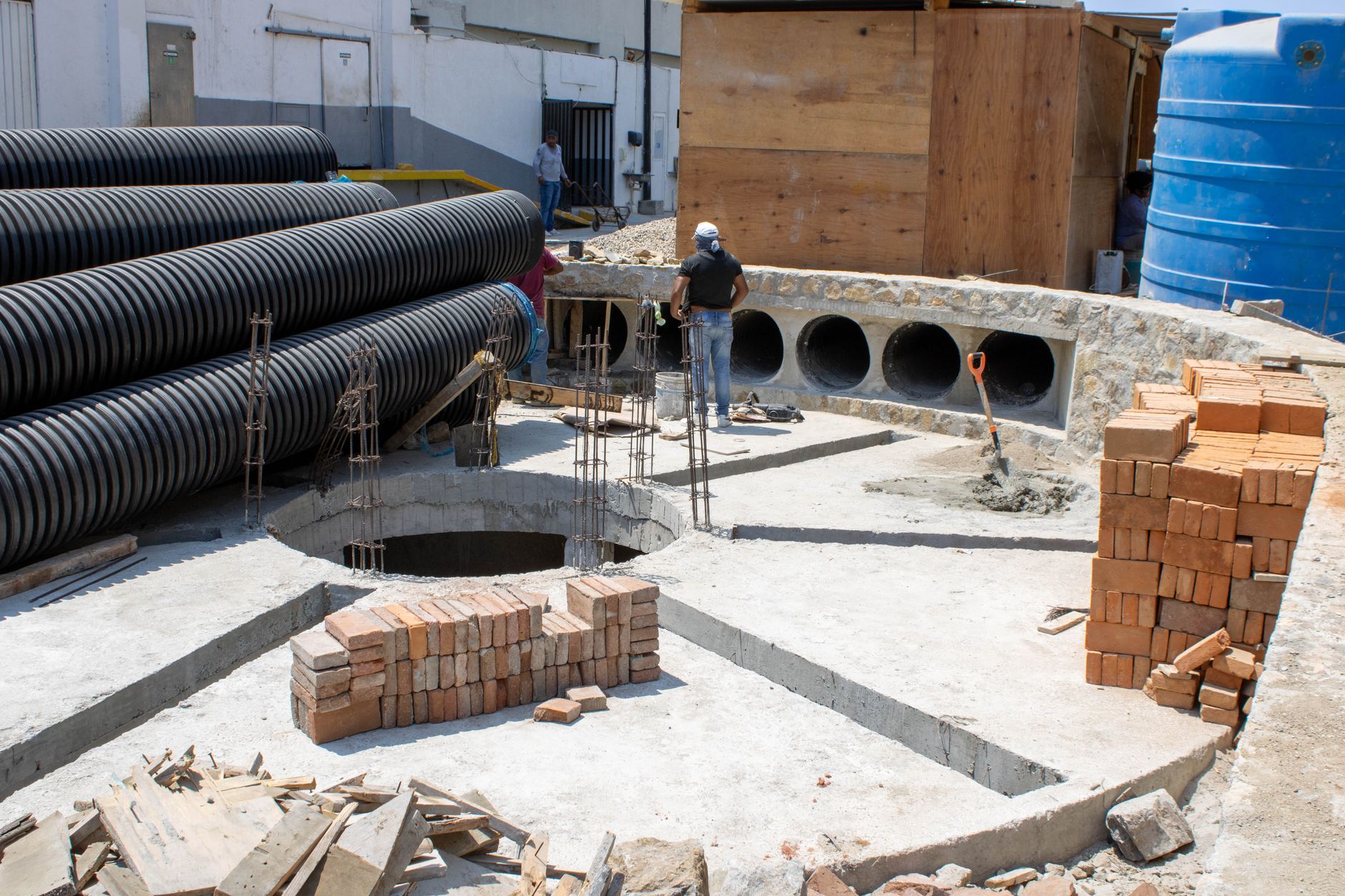
Fresh excavation only tells you so much until the bottom is shaped and packed. Organic topsoil, roots, loose fill, and buried debris should come out of the footprint before any base material goes in. Good soil texture and moisture control determine how well the ground carries load.
Drainage matters because water weakens the subgrade fast. If runoff or groundwater sits under the shell, the base can soften, compact unevenly, or develop hidden voids that show up later as settlement. That is why the site has to be dry before the pool installation foundation is set.
Excavation and grading before base material
Grading should move runoff away from the hole, not toward it. That means the cut needs a clean bottom, trimmed edges, and slopes that shed rain before the shell goes in. Soil stability and drainage are part of structural safety, not landscaping decoration.
Surface water can wash fines out of loose soil and leave voids behind. It can also soften the subgrade during placement, which ruins compaction before it has time to hold. A dry, shaped excavation gives the pool base a fair chance to stay uniform.
Drainage, groundwater, and frost line pressure
High groundwater can push up on the shell and the surrounding base. That hydrostatic pressure is a real mechanical load, and some pool designs use relief features or perimeter drainage to reduce it. In cold climates, soil near the frost line can heave as trapped water expands.
On sloped lots, runoff control matters just as much as compaction. Roof drains, downspouts, and hillside flow should move away from the excavation so the subgrade does not soften after rain. Once the ground is dry, level, and packed, the material choice becomes the next lever.
Warning signs in the site conditions
Expansive clay, wet fill, and a high water table can all shorten the life of a pool shell. Soil that swells with moisture or shrinks during dry spells changes support after the pool is already full. Those conditions often show up first in cracking, movement, or water intrusion.
- Expansive clay swells when wet and shrinks when dry, which puts repeated stress on the shell and deck edge.
- Poor drainage leaves the base soft, and soft spots settle faster than compacted areas.
- High groundwater can create uplift under the shell and add hydrostatic pressure around the pool.
- Frost exposure can lift wet soil near the frost line and disturb edges and utilities.
A site with those red flags deserves soil testing or engineering sign-off before the build moves ahead. The extra review is small beside a repair to a cracked bond beam or a tilted deck. Once the site risk is clear, material selection matters next.
Once weak spots are mapped, the mix underneath can be chosen to hold shape and resist movement.
Materials That Shape a Stable Pool Base
Sand, crushed stone, concrete, and rebar each solve a different problem. Sand gives a smooth bed for some vinyl and above-ground work, while compacted stone offers drainage and firmer support in many in-ground builds. Rebar and concrete add structural support where the shell or span needs more than a granular pad.
Soil texture changes how each material behaves. Sandier ground drains faster and compacts more evenly than fine clay, which holds water and softens under load. The same base mix can work on one lot and fail on another if the soil conditions differ.
Common support layers and what they do
- Compacted stone creates a firm, draining layer that resists soft spots under many in-ground pools.
- Sand bedding gives a smooth finish for vinyl and some above-ground systems, but it needs careful compaction.
- Concrete slab adds rigidity where a structural platform is specified, yet it still depends on prepared soil below.
- Rebar reinforcement helps concrete resist bending and cracking where loads concentrate at edges or beams.
- Flowable fill can fill void-prone zones and support complex shells where hand compaction is difficult.
When thicker sections or steel reinforcement matter
A thicker base helps when soil bearing capacity is marginal or when the shell places high edge loads on the ground. Steel matters when a slab or bond beam has to span small irregularities without cracking. The need rises on poor soil, near slopes, and around heavy deck interfaces.
It does not help to overbuild the wrong layer. A thick slab over expansive clay still moves with the soil, and that movement can shear expansion joints or pull backfill loose at the perimeter. The better answer is a base matched to the soil and the pool structure.
Backfill, edging, and expansion details
Backfill holds the wall line and fills the space outside the shell, so its quality matters almost as much as the base itself. Loose backfill can settle later and leave the deck edge unsupported. Wet or uneven backfill can also push on the wall.
Expansion joints give concrete room to move without crushing against the pool edge. They matter at coping, decks, and structural tie-ins where different materials expand at different rates. A sound pool foundation depends on that edge zone, not just the pad below the center.
Different pool systems place different demands on the base, especially where edges and materials meet.
| Material | Main use | Key strength |
|---|---|---|
| Compacted stone | Draining support under many in-ground shells | Firm support with lower water retention |
| Sand bedding | Finish layer for some vinyl and above-ground pools | Smooth placement and easy shaping |
| Concrete slab | Structural platform for selected designs | High stiffness and consistent elevation |
| Rebar-reinforced concrete | Load-bearing work at beams and edges | Better crack control under bending |
| Flowable fill | Void filling and uniform support zones | Useful where hand compaction is hard |
Foundation Needs Change With the Pool Type
A fiberglass shell wants uniform, void-free support from the floor through the curved sides. A gunite or shotcrete pool depends on a reinforced shell, but it still needs stable subgrade and drainage under and around the structure. Vinyl liner systems lean on a level floor and aligned walls, since the liner hides small mistakes until they grow.
That is why manufacturer guidance matters so much. Pool shell makers and equipment suppliers often set the baseline for level support, drainage, and backfilling. Their instructions are part of the load path, not optional extras.
| Pool type | Support needs | Common risk |
|---|---|---|
| Concrete pool | Prepared subgrade with reinforced shell and drainage control | Settlement at edges and deck tie-ins |
| Gunite pool | Rebar cage over stable excavation and compacted soil | Cracking from soil movement or hydrostatic pressure |
| Shotcrete pool | Similar to gunite, with careful shell placement and support | Shell distress where subgrade is uneven |
| Fiberglass pool | Very even support under the entire shell and transition zones | Voids that sag the shell or twist the waterline |
| Vinyl liner pool | Flat base, aligned walls, and clean backfill | Wrinkles, wall movement, and liner strain |
Concrete, gunite, and shotcrete installations
Stable ground matters for concrete, gunite, and shotcrete projects, but the shell strategy differs. Gunite and shotcrete use sprayed concrete over steel reinforcement, so the shell carries much of the structure. That still leaves the subgrade and drainage system to control long-term settlement.
Technical guidance from the PHTA and pool code sources keeps returning to the same standard: the structure has to sit on sound soil with proper drainage. A hard shell cannot compensate for wet fill or a soft corner. Once the shell starts moving, the crack line often follows the stress line.
Fiberglass and vinyl liner installations
Fiberglass shells are rigid and unforgiving. A small void under a beam or curve can show up as distortion months later, especially after wet weather or freeze-thaw cycles. Vinyl liner pools are more forgiving on the surface, but they hide base problems until the walls shift or the liner stretches.
In both cases, the floor has to stay smooth and the walls have to stay aligned. That makes the base less about raw strength and more about shape control. From there, site risk becomes the deciding factor.
When form matters as much as strength, even a solid base can fail without careful site evaluation.
Site Red Flags That Demand Extra Caution
Expansive clay, high groundwater, frost exposure, and sloped ground can turn a sound design into a long-term headache. Soil that swells with moisture or shrinks during dry spells changes support after the pool is already full. Cracking, movement, and water intrusion are all signs that deserve a closer look.
The long-term damage often shows up in stages. A low corner can appear first, then a small dip in the waterline, then shell cracking or deck settlement. A shell that looks fine at opening can still deform later after a wet season or a dry spell changes the soil volume.
Expansive clay and poor drainage
Clay holds water, then changes volume as it dries. That cycle pushes and pulls on the shell, and repeated movement wears on joints, coping, and tile lines. Drainage control around the perimeter matters as much as the excavation depth in those conditions.
Surface grading, downspout discharge, and soil moisture control can do more than extra concrete thickness. A geotechnical review can pay for itself faster than a repair to a cracked bond beam or a tilted deck. That is especially true on lots with mixed fill or a history of standing water.
Frost depth, groundwater, and sloped terrain
Frost heave lifts wet soil as it freezes, which can stress edges and utility runs. Groundwater creates uplift, and some shells need relief features to reduce that pressure. Sloped lots add runoff speed, which erodes poorly packed fill and can undermine the excavation edge.
A site with any of those red flags deserves soil testing or engineering sign-off. The added cost is small beside a shell repair or a deck rebuild. Once the site is cleared, the work shifts from risk control to permit and inspection control.
Case study from a wet lot
A fiberglass pool set on loose fill near a high water table can look level on day one and sag later after a rainy season. The shell then shows a low corner, and the waterline tilts just enough to notice. The fix usually starts below the surface, not with the finish layer.
That pattern is common enough that installers plan around groundwater from the start. Drainage mats, perimeter drains, and careful backfill help keep the shell from floating or settling unevenly. The next step is making sure the project is legal and documented before concrete or fill goes in.
Those warning signs point beyond construction, where paperwork and oversight help keep the project safe.
Permits, Contractor Checks, and Safe Water Care
Pool work almost always touches local building permit rules, setback lines, safety barriers, and inspection points before water ever reaches the shell. CPSC safety guidance ties pool safety to drains, barriers, and access control, which means the foundation plan has to fit the whole layout. Local sign-off may be needed before excavation, before plaster, and before final fill.
A contractor should be able to explain the compaction plan, drainage path, and backfill method in plain language. PHTA standards, local code, and manufacturer instructions form the baseline; the jobsite should reflect all three. A vague answer at this stage is a warning sign.
Checklist for site checks before the shell goes in
- Verify subgrade cleanup so roots, organic topsoil, and buried debris are gone from the footprint.
- Confirm compaction with documented lifts, not a quick pass over loose fill.
- Check drainage flow so runoff leaves the area and does not pond beside the excavation.
- Inspect level tolerances across the base, edges, and shallow-to-deep transitions.
- Review backfill quality so wall support stays even and voids do not open later.
- Ask for code sign-off before the shell is set, especially on sloped or wet lots.
Safe water care protects the finished work
Balanced water helps the shell, metal parts, and equipment last longer. pH, alkalinity, calcium hardness, sanitizer levels, circulation, and filtration all work together; when one drifts, the water can turn cloudy, scale can form, or surfaces can corrode. CDC healthy swimming guidance places disinfection, filtration, and routine testing at the center of safe pool care.
That chemistry does not fix a weak base, but it does protect the surfaces sitting on it. Once the pool is running, watch for waterline shifts, deck cracks, and changes in circulation noise. Those small clues often show up before a structural problem gets expensive.
Small changes like those often reveal bigger issues, which is why the practical takeaway matters most.
Bottom Line
A pool lasts longer when the ground under it stays dry, level, and evenly packed. Soil, drainage, material choice, and pool type all shape the base, and the weakest spot is often an edge or transition rather than the center. Get those details right before the shell goes in, and you avoid most of the repair work that follows a bad install.
FAQ
What is a pool foundation?
Beneath the pool shell sits a prepared structural base that keeps the finished structure supported. It spreads load into the ground through compacted subgrade, fill, or reinforced concrete so the pool stays level and does not settle unevenly.
What materials are used to build a pool foundation?
Common materials include compacted stone, sand bedding, a concrete slab, rebar-reinforced concrete, and flowable fill. The best choice depends on the pool type, soil conditions, drainage needs, and local code.
How do you prepare the ground for a pool foundation?
That soil, debris, and roots, then grade the site for runoff and compact the subgrade in controlled lifts. Good drainage and uniform compaction matter as much as the final base material.
How do you prepare the ground for an in-ground pool?
You remove organic soil, debris, and roots, then grade the site for runoff and compact the subgrade in controlled lifts. Good drainage and uniform compaction matter as much as the final base material.
How thick does a pool foundation need to be?
Thickness depends on soil bearing capacity, shell type, and edge loading, so there is no single universal depth. Marginal soil, slopes, and heavy deck interfaces often need a thicker, better reinforced base than a level site with firm subgrade.
What kind of base does a fiberglass pool need?
A fiberglass shell needs very even support with no voids under the floor or curved transitions. Installers often use compacted granular material, sand, or flowable fill, but the shell maker’s instructions set the baseline.