
Pool maintenance for beginners is the habit of skimming debris, testing water, balancing chlorine and pH, and keeping the pump and filter moving on a regular schedule. That routine protects clear water because a pool can look clean while sanitizer is weak or circulation is uneven.
You need a practical order, not guesswork, so the work stays small and the water stays safe. This approach fits new pool owners who want a simple routine with clear numbers, clear fixes, and fewer surprise problems.
Start With Clean Water And Working Circulation
Clear water is not the same thing as safe water, and movement is the first layer of defense. The EPA and CDC both stress cleaning, disinfection, and steady circulation because the skimmer, pool pump, and pool filter work together to remove debris and support chlorine.
The plumbing loop is straightforward: the skimmer pulls in surface debris, the pump moves water, the filter traps particles, and the returns send cleaner water back into the pool. If one part slows down, sanitizer has a harder time reaching every corner.
Know The Main Parts
The skimmer basket catches leaves before they sink and rot, and the pump strainer basket protects the pump impeller from clogs. The filter media catches the finer grit that makes water look dull even when the surface seems fine.
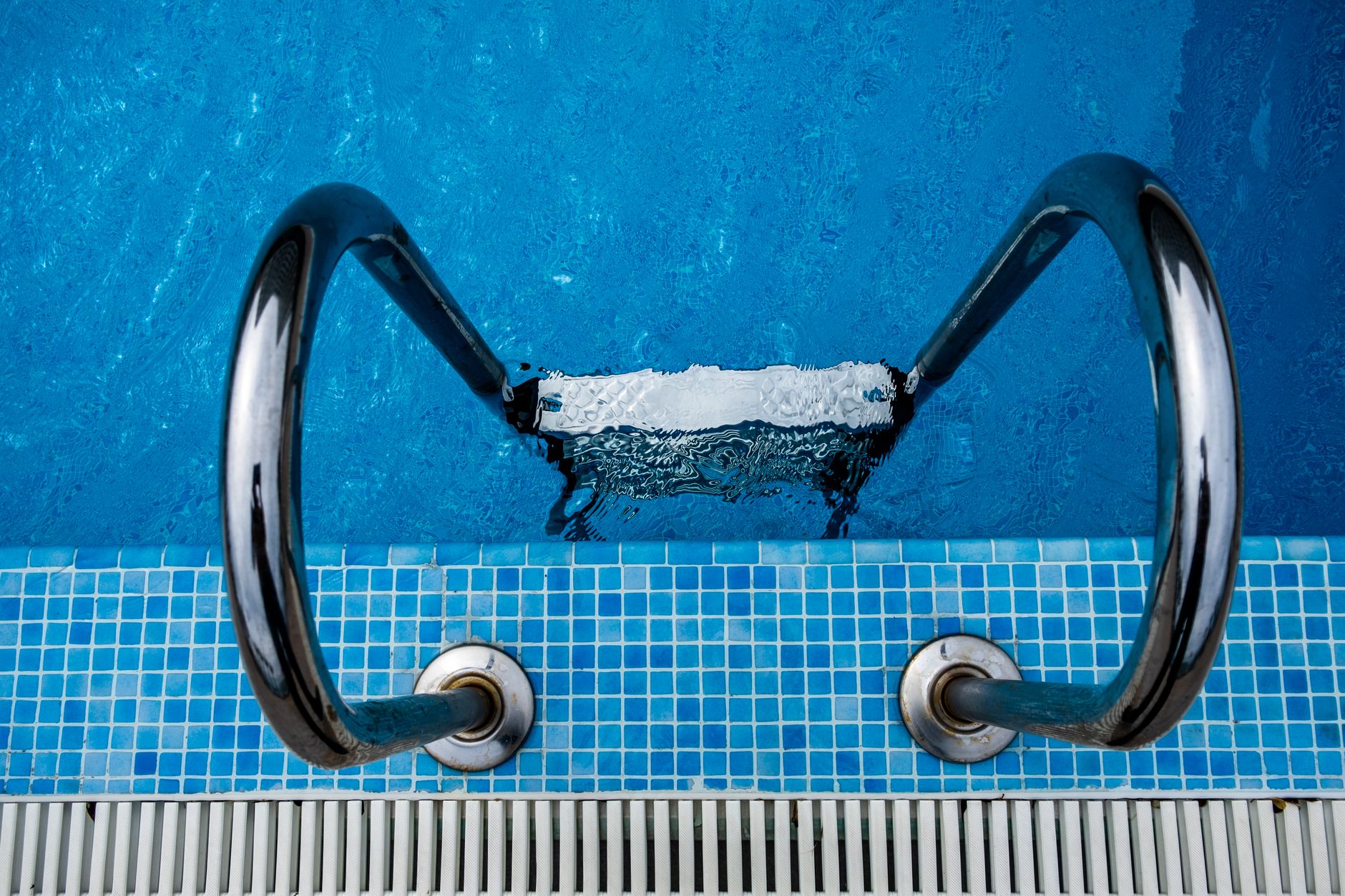
A weak flow creates dead spots behind steps, ladders, and deep corners. Those quiet zones give algae and germs a better place to start, which is why pool maintenance for beginners begins with circulation instead of chemicals alone.
Use Circulation As A Safety Check
Water that pushes evenly through the returns mixes chemicals faster and reaches the filter more often. A weak return, an air pocket, or still water near a wall means the system needs attention before the next dose of chlorine.
Pool care works best as a loop: test, adjust, circulate, and test again. That pattern keeps the numbers honest and stops the common beginner mistake of adding products without a current reading.
From there, a simple weekly rhythm turns those readings into habits that keep the water steady.
The Beginner Pool Care Checklist For Each Week
A weekly pool maintenance checklist removes most of the guesswork. The work is short, but the order matters: clear debris, brush surfaces, check flow, and then look at the water numbers.
Start with skimming and basket cleanup. Move to brushing walls, steps, and corners, because slick film can cling where water barely moves. Finish by checking the pump basket, returns, and any sign of clogging.
Weekly Tasks That Pay Off
- Skim daily debris. Remove leaves, bugs, and pollen before they sink and feed cloudiness.
- Empty baskets. Clean the skimmer basket and pump strainer basket before flow drops.
- Brush surfaces. Hit walls, steps, tile lines, ladders, and shaded corners with a pool brush.
- Vacuum buildup. Use a pool vacuum or automatic cleaner when dirt settles on the floor.
- Inspect returns. Watch for weak jets, trapped air, or a return that looks blocked.
- Check the waterline. Wipe off film before it hardens into scale or grime.
Set A Simple Maintenance Rhythm
One clean-out day and one test day each week works for many backyard pools. After a heavy swim weekend, a windstorm, or a stretch of hot weather, give the pool extra attention and shorten the gap between checks.
That schedule protects the filter and keeps circulation strong. It also gives you a clear view of what changed, which helps later when the water starts looking off.
That clarity starts with a quick test before any treatment, because guessing usually creates more work later.
Do the small work before the pool gets loud about it. A full basket, a patch of algae, or a cloudy corner is easier to handle at the start than after a week of buildup.
Testing Water Before You Add Anything
Test strips or a drop kit tell you what the water already has in it, and that matters more than any guess. Clear water can still carry low chlorine, a drifting pH, or a stabilizer level that changes how sanitizer behaves outdoors.
Pool water testing is the point where beginner pool care gets easier. Once you know the numbers, you can adjust one thing at a time instead of pouring in several chemicals and hoping the result settles out.
What To Check On Every Test
| Measurement | Why it matters | What a bad result can do |
|---|---|---|
| Free chlorine | Main sanitizer in most residential pools | Low levels leave water underprotected |
| pH | Affects comfort and sanitizer performance | High pH weakens chlorine action |
| Total alkalinity | Helps keep pH from swinging fast | Low buffer makes pH jumpy |
| Cyanuric acid | Protects chlorine from sunlight in outdoor pools | Too much can blunt chlorine performance |
CDC Healthy Swimming guidance treats free chlorine and pH as the core checks, while outdoor pools also need cyanuric acid on the radar. A drop-based kit usually gives a steadier read than many strip-only packs, especially for total alkalinity and stabilizer.
Read The Results Calmly
Match the strip color or reagent result against the chart in good light, then stop. Do not chase several numbers at once unless the water is clearly out of range across the board.
Adjust one variable, circulate the water, then retest. That habit keeps you from overshooting with acid, chlorine, or buffer products, which is where a lot of beginner mistakes start.
Each reading points to a different adjustment, and small corrections prevent bigger chemistry swings.
Test before you dose. That one habit keeps you from stacking chemicals against each other and guessing your way into a worse imbalance.
Balancing Chlorine, pH, And Stabilizer
Chlorine handles sanitation, pH changes how well chlorine works, and cyanuric acid shields chlorine from sunlight in outdoor water. Those three sit at the center of pool chemical balance, and chlorine comes first when safety is the concern.
CDC and Pool & Hot Tub Alliance training materials point to the same chemistry chain: pH that climbs too high makes chlorine less active, while too much stabilizer can leave chlorine protected from sun yet less available to do its job. That tradeoff is why you test, then dose in small steps.
What Each Chemical Does
- Free chlorine. This is the active sanitizer that does the heavy lifting.
- pH. This controls comfort, scaling risk, and chlorine performance.
- Total alkalinity. This buffers pH so it does not swing wildly.
- Cyanuric acid. This slows chlorine loss from UV in outdoor pools.
Adjust In The Right Order
Start with sanitizer, then move to pH, then fine-tune alkalinity or stabilizer as needed. That order keeps you from fixing the symptom while the cause stays buried.
A sunny backyard pool that burns through chlorine fast may need more stabilizer or a higher chlorine target that fits its current CYA level. A plaster pool with scale at the waterline often points to high pH, hard water, or both.
Keep Safety In View
Store chemicals in a dry spot, away from each other, and add one product at a time with the pump running. Mix nothing in a bucket unless the label says to do so, and keep containers tightly closed after use.
The chemistry is simple, but the reaction space is not. A little patience here saves time, money, and a lot of cloudy water later.
Good balance still depends on steady circulation, since moving water gives those chemicals time to work evenly.
Pump Run Time And Filter Care That Keep Water Clear
Water clears faster when the pump runs long enough to move it through the filter and back into the pool. Hot weather, heavy swim use, and storm debris all call for more runtime than a quiet, cool week.
Pool & Hot Tub Alliance guidance and university extension advice point in the same direction: circulation is part of the cleanup, not a separate chore. A pump that runs too little leaves chemicals uneven and particles suspended longer.
Set Runtime By Conditions
A small pool with light use may need a shorter daily run than a large pool that gets weekend traffic. After a storm or a party, give the pump more hours so chlorine mixes through the water and debris reaches the filter.
Think of runtime as the pace of the whole system. More heat, more bathers, more sun, or more leaves means more work for the pump.
Clean The Filter On Schedule
- Cartridge filters. Rinse and deep-clean the pleats when pressure rises or flow drops.
- Sand filters. Backwash when the gauge climbs above normal operating range.
- DE filters. Backwash and recharge with fresh DE after the cleaning cycle.
- Pump area. Clear leaves, twigs, and hair from the basket and lid seal.
A dirty filter acts like a clogged straw. Flow drops, mixing slows, and the water starts to look dull even when the chemistry is close.
One caution: overcleaning can waste good filter media and shorten the life of the system. Clean when pressure, flow, or debris load tells you to, not by habit alone.
When flow drops or water turns dull, the cause usually hides somewhere in the circulation path.
Troubleshooting Cloudy, Green, Or Weak-Flow Problems
Different symptoms usually point to different starting points when water turns cloudy, green, or begins to move weakly through the system. The usual order is simple: check sanitizer, inspect circulation, clean the filter, and then look at brushing and vacuuming gaps.
Texas A&M AgriLife Extension and CDC pool guidance both point to the same pattern. Poor circulation and dirty equipment set the stage, then chemistry slips in behind them.
Trace The Cause Before The Fix
Cloudy water often comes from fine particles, high pH, dirty filter media, or low sanitizer. Green water usually signals algae growth, which starts in corners, behind ladders, or other dead spots where brushing never reaches.
Weak flow often comes from clogged baskets, a low water level, air in the pump, or a filter that needs cleaning. A strong chlorine smell can point to chloramines, not extra sanitizer, which is why the odor alone never tells the whole story.
Use A Simple Decision Path
- Check baskets. Remove debris from the skimmer and pump basket.
- Read the water. Test free chlorine, pH, alkalinity, and CYA.
- Brush dead spots. Hit steps, corners, and shaded areas with extra passes.
- Clean the filter. Backwash, rinse, or deep-clean based on filter type.
- Vacuum settled debris. Remove material that the filter cannot lift on its own.
- Shock only when needed. Use a strong chlorine dose after heavy bather load, contamination, or confirmed algae.
Shocking the pool is a cleanup tool, not a cure-all. It works best after the water has been brushed, circulated, and cleared of visible debris, because chemical strength alone does not remove the roots of a stubborn problem.
A green corner that keeps coming back, even after the numbers look normal, usually means circulation is weak there. Shift the return direction, brush more often, and keep the pump running long enough for the water to move through that dead zone.
A steady routine makes those warning signs easier to spot before they turn into bigger problems.
Day-By-Day, Weekly, And Monthly Pool Maintenance Schedule
A simple schedule removes guesswork and keeps beginner pool care manageable. Small tasks spread across the month work better than waiting for one big cleanup day.
Pool maintenance for beginners gets easier when each task has a place on the calendar. You can match the job to the risk: debris daily, chemistry weekly, and equipment checks monthly.
Use A Basic Timeframe
- Daily. Skim visible debris, check the waterline, and glance at circulation from the returns.
- Weekly. Test water, brush surfaces, empty baskets, vacuum settled dirt, and confirm pump runtime.
- Monthly. Inspect hoses, lids, seals, pressure readings, and the overall condition of the filter.
- After events. Recheck after storms, heavy swim days, or heat waves because the water changes faster.
That rhythm works because each layer catches a different kind of problem. Daily debris removal keeps organics from breaking down, weekly testing guides pool chemical balance, and monthly checks spot wear before it turns into a repair.
Match The Task To The Season
Hot months usually demand more chlorine checks and longer pump runtime. Cooler, quieter periods may let you stretch the gap a little, but a pool still needs movement and testing even when nobody swims much.
After a big weather change, go back to the basics instead of assuming the last reading still applies. Water remembers every storm, and it shows up first in circulation, then in chemistry.
With the schedule in place, attention shifts to handling chemicals safely during every task.
Safety Basics For Handling Pool Chemicals
Pool chemicals are effective, but they deserve respect. Most mistakes happen during storage, mixing, or pouring, so the safest routine is simple and unhurried.
Keep every container dry, sealed, and separated from other products. Add chemicals to water, not water to dry chemicals, unless the label gives a different instruction, and always keep the pump running while you dose.
Follow These Safety Rules
- Separate storage. Keep chlorine products away from acids and other incompatible chemicals.
- Dry handling. Use clean, dry tools so moisture does not trigger a reaction.
- One product. Add only one chemical at a time and wait for circulation before the next step.
- Label first. Read the manufacturer directions before opening any container.
- Ventilation matters. Store and handle chemicals where fumes can disperse.
Safety also protects the pool itself. A rushed pour can bleach a vinyl liner, etch plaster, or create a cloud of localized high chlorine that takes hours to mix out.
Good habits here make the rest of the routine easier. Once you treat chemical handling like a fixed part of beginner pool care, the whole system becomes more predictable.
That caution is what ties the routine together and keeps every other step easier to manage.
What To Remember
Pool maintenance for beginners works best as a repeating loop: skim, test, adjust, circulate, and check again. Once you treat the pool pump, pool filter, chlorine, pH, alkalinity, and cyanuric acid as connected parts of one system, the water stays steadier with less effort.
The cleanest pools are usually the ones that get small attention on a schedule, not big rescue work after trouble has already spread. A pool maintenance checklist that fits your calendar is the simplest way to keep that routine realistic.
FAQ
How do beginners maintain a pool step by step?
Start by skimming debris and emptying baskets, then brush the walls and steps, test the water, and adjust chlorine and pH in small steps. Run the pump long enough for the water to move through the filter, then retest after the chemicals have mixed.
How often should pool water be tested?
Test at least several times a week during heavy use, hot weather, or after rain. Outdoor pools can change fast, and free chlorine and pH can shift in a single day after a party or a storm.
What chemicals do you need to keep a pool clean?
Most pools rely on a sanitizer such as chlorine or bromine, plus pH adjustment chemicals, alkalinity adjusters, and sometimes cyanuric acid for outdoor use. Some pools also need calcium hardness adjustment based on surface type and source water.
Why is my pool cloudy even though the water looks clean?
Cloudy water often means the filter is dirty, the sanitizer is low, or pH has drifted too high. Fine debris can stay suspended even when the surface looks clear, so test the water and clean the filter before adding more chemicals.
What is the difference between filtration and sanitizing?
Filtration removes particles such as dirt, pollen, and dead algae. Sanitizing uses chlorine, bromine, or another disinfecting chemistry to reduce germs that a filter cannot remove on its own.
How do I stop algae from growing in my pool?
Keep sanitizer in range, brush walls and corners, and run the pump long enough to move water through dead spots. Algae starts where circulation is weak and debris sits too long, so the fastest fix is better movement and steady water balance.