Don't miss our holiday offer - up to 50% OFF!

Pool Plaster Color: Choose the Right Finish

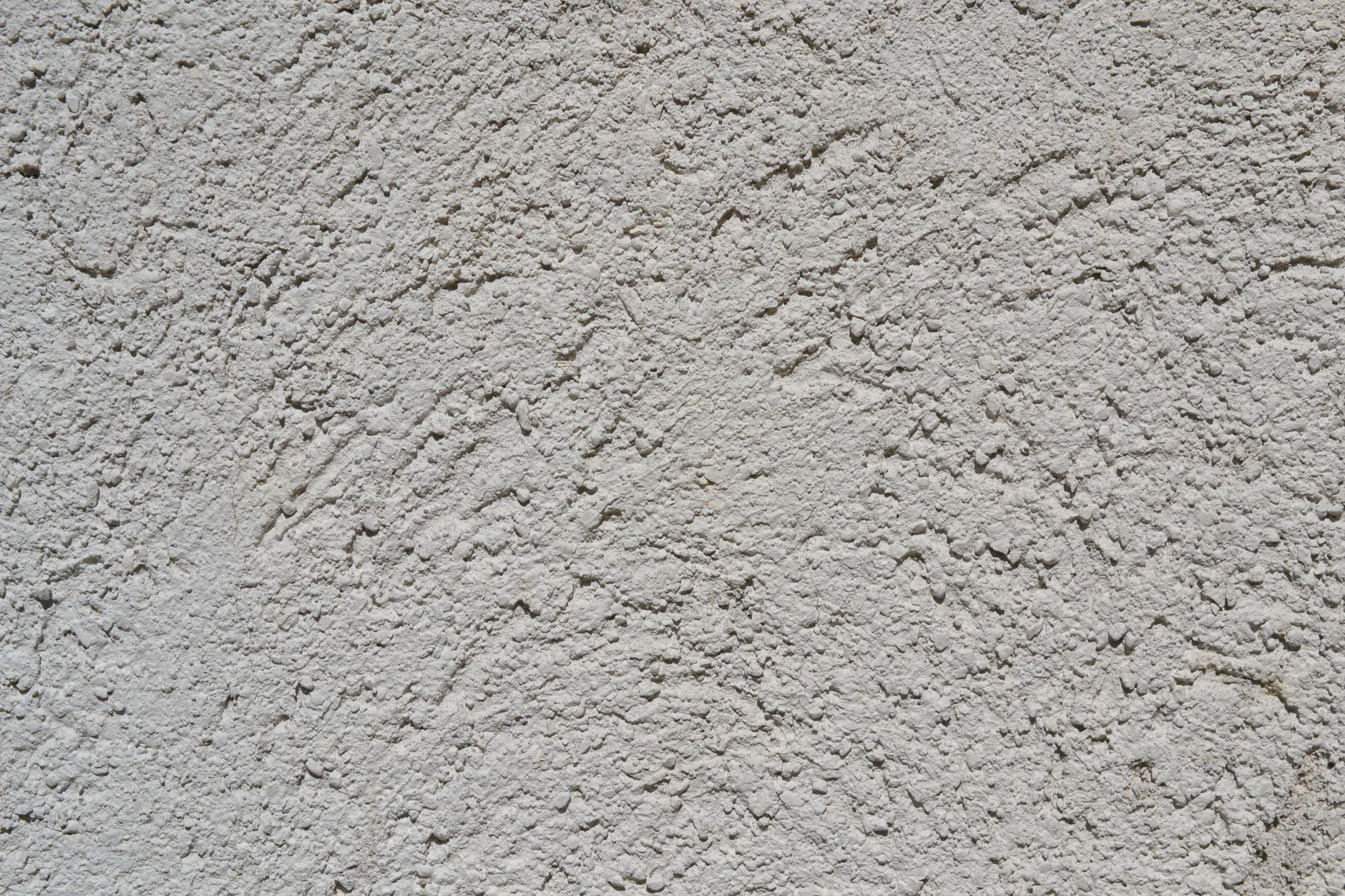
Once the cement-based interior cures, its hue shapes the water’s final appearance. It comes from pigment, cement shade, aggregate, troweling, and cure time, so a sample board rarely matches the installed result exactly.
If you are comparing white, blue, gray, or darker finishes, you need the real-world differences in water color, maintenance, and long-term appearance. The right choice depends on your yard, your climate, and how much variation you can live with.
The Factors That Shape Pool Plaster Color
The finish can leave the truck one shade and read differently in the pool. Cement base, pigment load, marble dust or quartz, hand finishing, and curing conditions all change the final result.
National Plasterers Council guidance treats finish color as a material-and-process outcome, not a paint chip outcome. White Portland cement, gray cement, iron oxide pigment, aggregate size, and trowel pressure each push the look in a different direction.
Material choices set the base
White cement reflects more light and keeps the water brighter. Gray cement and heavier pigment loads push the finish darker, while marble dust and quartz can soften the appearance by changing how much paste shows at the surface.
That matters because even a small batch shift can change the installed result. On-site water addition, crew timing, and ambient heat all affect hydration, so two sections poured on the same day can read a shade apart.
Finish work changes the face of the surface
Troweling leaves its own signature. A tight, smooth pass can look clean and uniform, while a harder hand or a slightly dry mix can leave marbling, burn marks, or faint streaks that show more clearly once the basin fills.
Darker pigments make those flaws easier to spot because the eye catches contrast faster on a deep field. That is why a charcoal or navy finish can look sharp in a showroom and unforgiving in full sun.
Samples help, but they are not final
Pool plaster sample colors show the mix, not the installed scene. A chip has no depth, no waterline tile, no sky reflection, and no cured surface texture, so it cannot predict the whole pool.
That gap is why installed mockups matter. A large field sample set in outdoor light gives you a better read on how the finish will behave once it sits under water and beside stone or concrete. Next comes the color-family comparison, where those differences get easier to see.
That contrast becomes clearer once the main color families are lined up side by side.
White, Blue, Gray, And Darker Finishes Compared
White plaster gives the brightest water and shows the most surface detail. Blue plaster deepens the water tone, gray softens glare, and darker finishes lean toward a lagoon look while exposing wear more quickly.
The National Plasterers Council and finish manufacturers such as Diamond Brite point to the same tradeoff: brighter finishes make the pool look lighter, while deeper colors give richer water but demand cleaner workmanship.
| Finish Type | Water Appearance | Surface Visibility |
|---|---|---|
| White plaster | Light blue, bright, reflective | Shows mottling, trowel marks, and stains fast |
| Light blue plaster | Deeper blue, still bright in sun | Hides some variation, but scale still stands out |
| Gray finish | Cooler, softer, more muted water color | Shows uneven texture less than white, more than pebble |
| Dark blue or charcoal | Deep, rich, dramatic water tone | Highlights streaks, scale, dust, and patchy curing |
White plaster remains the classic choice for a clean, pale blue pool. It gives the truest read on water color, which is why many homeowners still pick it for smaller backyards or simple geometry.
Gray and deeper blue finishes shift the mood fast. They make the basin feel deeper, but they also make calcium scale, sunscreen residue, and uneven texture stand out when the chemistry slips. That tradeoff gets even more obvious once water and light enter the picture.
Bright water versus rich depth
Lighter finishes usually make the water look brighter blue because the floor reflects more light back through the water column. Darker finishes absorb more of that light, so the pool reads deeper, cooler, and sometimes greener.
For a family pool that sees heavy daily use, a medium blue or soft gray often lands in the middle. You get some depth in the water without turning every minor flaw into a visual event.
Stains and wear show up at different speeds
White and very light finishes reveal dirt, metal staining, and uneven curing fastest. Dark finishes hide some discoloration at first, but they can show mineral scale and streaking with brutal clarity once deposits build at the waterline.
That is the catch with colored pool plaster. It can look dramatic and still be more sensitive to installation quality than many people expect. The same finish can also read differently once it sits under changing depth and light.
Even a well-chosen finish can shift with depth, reflection, and the angle of the sun.
Why The Same Finish Looks Different In Water
Water changes color the way a window changes a room. Depth, sunlight angle, nearby decking, shade, and water clarity all bend the way your eye reads the plaster beneath the surface.
University of Minnesota color science materials and NOAA optics education both support the same rule: light is reflected, refracted, and absorbed before it reaches your eye, so the same surface can look warmer in one yard and colder in another.
Depth deepens the read
Shallow shelves show more of the plaster itself, so the tone looks lighter. Deeper areas gather more water above the finish, which makes the same material read darker and bluer.
A pool with a tanning ledge and a deep end can look like two different installations. That is not a defect. It is water depth doing exactly what physics says it will do.
Sun, shade, and hardscape change the mood
Direct sun pushes blue finishes brighter and makes pale finishes sparkle. Shade cools the whole scene, while tan stone, red brick, or dark coping can bounce warm color into the water and shift the apparent finish.
That is why one pool plaster sample color can feel crisp in one backyard and soft or muddy in another. Surroundings act like a giant color card around the basin.
Water is a moving filter, not a clear lens. A finish that looks soft gray at noon can read deep steel blue by late afternoon.
Pool finish color also moves with surface motion. Ripples scatter light and make the water look lighter and more alive, while a still surface gives a darker, flatter read. Once that effect stands out, finish type becomes the next major choice.
Those shifting appearances make material choice matter just as much as color.
Plaster, Quartz, And Pebble Do Not Age The Same Way
Smooth plaster shows pigment more directly, while quartz and pebble finishes show more stone than paste. That alone changes how the surface ages, how much color stays visible, and how much wear the eye picks up over time.
Pool & Hot Tub Alliance guidance and National Plasterers Council material separate these finishes for a reason. They are not just different shades. They age by different rules because the visible top layer is built differently.
| Finish | What You See at the Surface | How Color Behaves Over Time |
|---|---|---|
| Standard plaster | Mostly cement paste with pigment | Color shifts show fast, and mottling reads clearly |
| Quartz finish | Paste plus fine quartz aggregate | Aggregate softens pigment variation and improves wear resistance |
| Pebble finish | Visible rounded stone at the surface | Stone dominates the look, so color is more variegated and less uniform |
Quartzscape and Diamond Brite style finishes sit in the middle. They keep more visible color than pebble, but the fine aggregate mutes some blotchiness and gives the surface a denser look than plain marcite.
PebbleTec style finishes lean even more toward texture. As more aggregate shows through, the pigmented paste matters less to the eye, which is why pebble can age with a broken-in, stone-forward look that people either love or find too busy.
Aggregate exposure softens the pigment
More exposed stone means less pigmented cement paste at the top. The color reads quieter because the visible surface is now a mix of quartz or pebble and binder rather than a smooth sheet of colored plaster.
That shift also changes durability. Exposed aggregate stands up better to wear than soft paste, so the finish can keep its look longer, even as the waterline and texture evolve.
The finish you remember is not dry finish
A dry sample board cannot show how a pebble surface breaks up light or how a quartz surface settles into water. Once the basin fills, the material you chose becomes a water-color problem, not a material swatch problem.
That is why renovation crews often show installed pools, not just chips. The final impression comes from texture, depth, and cure behavior all working at once. Water chemistry is the piece that can change that impression fastest.
Small chemical changes can quickly alter how that texture and depth are perceived.
Water Chemistry And Cure Time Can Change Everything
Fresh plaster does not lock in its final look on day one. Cure time, startup water, and balance levels can leave the surface patchy, streaky, or lighter than planned before the finish settles.
University of Arizona Cooperative Extension and Orenda Technologies both stress the same point: pH, calcium hardness, alkalinity, and the Langelier Saturation Index shape whether water is aggressive or scale-forming. That chemistry directly affects color, sheen, and marbling.
New plaster needs balanced water from the start. Aggressive water can etch paste from the surface, while scale-forming water can leave a pale crust that dulls the intended shade.
Scale, stain, and etching shift the look
Scale deposits add a chalky layer that lightens the surface. Staining from metals, organics, or poor sanitation can darken or discolor it, while etching roughens the paste and makes the finish look faded or thin.
Those changes do not act like paint damage. They change the way light bounces off the surface, which is why a pool can look cleaner after brushing yet still read off-color under sun.
Early patchiness does not always signal failure
Brand-new plaster often shows temporary mottling as hydration continues. The cement paste gains strength in stages, and color can settle unevenly while moisture moves through the shell.
That is one reason startup care matters so much. Balanced fill water and careful brushing help the finish settle without unnecessary streaking. A simple water balance check can save you from chasing a cosmetic problem that started with chemistry, not the pigment bag.
Startup water needs the right ranges
Keep pH, calcium hardness, and alkalinity within the recommended range from your installer or service pro, and ask for startup targets tied to ANSI/APSP/ICC practice. Balanced water protects the look as the finish cures and lowers the chance of mottling.
Chlorine levels matter too, but the finish cares most about calcium balance and saturation. Too aggressive, and the surface can etch. Too scale-forming, and the pool can pick up a crust that turns a deep shade into a washed-out one.
When the water stays balanced, the finish has a far better chance of aging gracefully.
A Practical Way To Choose A Finish You Will Still Like Later
The right choice depends on sun, heat, water habits, and how much surface variation you can live with. A pool in hard-water country, full sun, and heavy use has a different sweet spot than a shaded courtyard pool with soft water and light traffic.
Pool plaster color also needs to fit the maintenance rhythm in your house. If brushing, checking balance, and cleaning the waterline sound routine, you can live with a darker or more dramatic finish. If you want the most forgiving look, lighter plaster is safer.
Match the finish to the setting
- Hot, sunny climate — Lighter or medium tones keep the pool bright without turning the water flat.
- Hard-water area — Mid-tones and quartz blends hide scale better than deep charcoal plaster.
- Heavy family use — Gray or blue plaster tolerates everyday wear better than very light white.
- Low-contrast backyard — Darker water can make the pool stand out against pale decking and walls.
- Perfection tolerance is low — A softer white or pale blue hides hand-applied variation more easily.
A real-world pattern shows up again and again: a homeowner picks charcoal for a modern look, then notices sunscreen residue and calcium edges right away. Another chooses white marcite for a smaller yard and gets the brightest water, with every trowel line visible in the afternoon sun.
That is why installed examples matter more than chips. Ask for a finished pool in a similar climate, with the same water type and a similar amount of shade. Then compare it at noon and late afternoon, because the same finish can shift hard in a few hours.
Color changes later take real work
A simple touch-up rarely resets a cementitious finish cleanly. Once pigment, aggregate exposure, and surface wear are locked in, changing the look usually means resurfacing rather than a small patch.
That is the part many people miss when they focus only on the sample. Long-term satisfaction depends on the finish type, not just the hue. The final call becomes easier once you know what the surface can and cannot do.
Those limits make it easier to separate lasting appeal from a one-season look.
What To Remember
The finish you see in the yard is a moving target shaped by pigment, cement, aggregate, water depth, light, and water chemistry. White gives the brightest water, blue and gray add depth, and darker surfaces show flaws faster. Choose the look that still works after curing, not just the one that looks sharp on a sample board.
FAQ
Why does pool plaster color look different after installation?
Installed plaster sits under water, light, and depth, all of which change the way the eye reads the surface. Troweling, curing, and surrounding hardscape also shift the appearance, so the finish almost never matches a dry sample chip exactly.
What pool plaster color makes the water look bluer?
White plaster usually gives the brightest blue water, while light blue plaster deepens that look without making the pool feel heavy. Darker finishes can look striking, but they push the water toward deeper blue-green or gray-blue tones.
How does water chemistry affect pool plaster color?
Water balance can leave scale, staining, etching, or mineral deposition on the surface, and each one changes how light reflects off the finish. Balanced startup water helps the plaster cure more evenly and reduces patchy or chalky color shifts.
Why do darker pool plaster colors show more imperfections?
Dark finishes have stronger contrast, so streaks, trowel marks, dust, and scale stand out faster. The same small flaw that disappears on white plaster can be obvious on charcoal, navy, or deep gray.
Does curing change the final color of pool plaster?
Yes. Fresh plaster can look lighter, streakier, or blotchier while hydration continues, and the shade can settle over several weeks. Startup water and brushing habits play a large role in how even the final finish appears.
Can pool plaster color be changed later without resurfacing?
Not in any lasting way. Minor staining can be cleaned in some cases, but a true color change usually means a new interior finish because the pigment sits inside the cementitious surface, not on top of it.