Don't miss our holiday offer - up to 50% OFF!

Pool Return Jets: A Practical Fix for Weak Flow

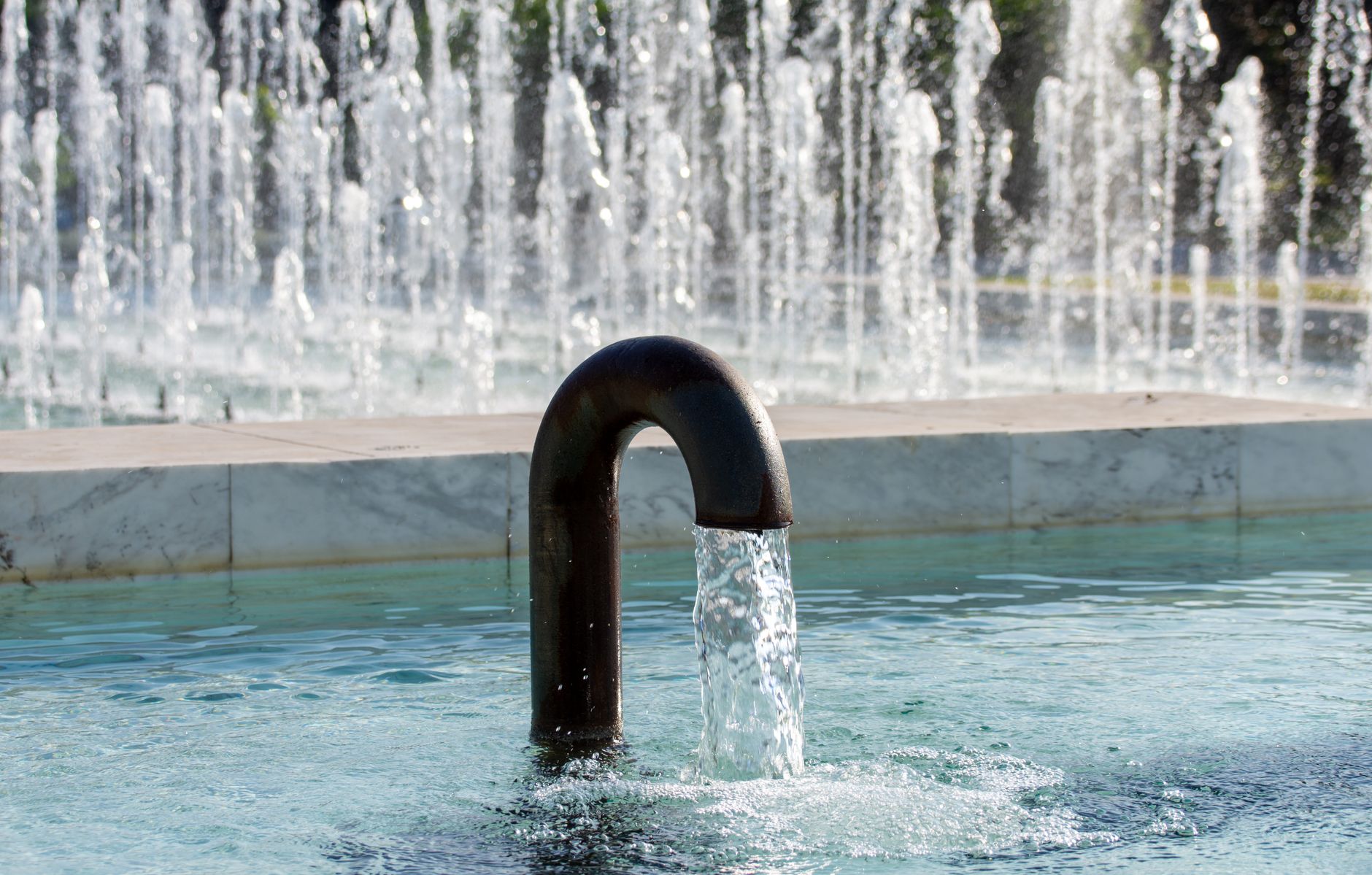
Hidden behind the pool wall, these fittings send filtered water back into the pool after it leaves the pump and filter. They help circulation, spread sanitizer, and keep debris moving toward the skimmer; when one clogs, shifts out of aim, or loses pressure, dead spots and cloudy water can appear quickly.
If weak flow, stubborn algae, or an off-angle stream is the problem, the fix usually starts at the return fitting. You can trace the water path, aim the outlet correctly, and separate a jet issue from a pump, filter, or plumbing problem.
How return jets fit the circulation loop
Water enters through the skimmer or main drain, passes through the pump, then moves through the filter before it returns to the pool. That loop affects clarity, water temperature, and chemical distribution every time the system runs.
The return side is the outlet end of that loop, and it matters because treated water has to re-enter the pool evenly. CDC residential pool guidance describes the same path from suction to treatment to return inlets, and the CPSC keeps suction fittings and return fittings in separate categories for a reason.
The return side sends treated water back into the pool
A return fitting is more than a hole in the wall. It is the point where clean water re-enters the basin, and its direction determines whether that water glides across the surface or drops into deeper water.
Hayward equipment education describes the standard sequence as skimmer and drain to pump, then filter, heater, sanitizer, and back through returns. That path matters because the return stream spreads treated water across the whole pool instead of letting it collect near one corner.
Hydraulic balance shapes circulation quality
Flow rate, plumbing diameter, and the number of returns all change the result. One oversized jet can blast a narrow path and leave corners untouched, while two or three lower-velocity returns often move water more evenly.
A good setup does not chase raw force. It aims for steady turnover, mild surface agitation, and even chemical mixing without loud turbulence at the wall. That balance is the thread that runs through the rest of the article.
That balance starts with where the stream goes, because direction determines how evenly the water keeps moving.
The right direction for better water movement
That balance shows up most clearly in the angle of the eyeball insert. Small changes can send a sheet of water around the perimeter, push leaves toward the skimmer, or stir a dead corner near steps or a ledge.
University of Georgia Extension pool-care materials point to the same idea: returns should support overall circulation, not fire into one fixed spot. CDC pool guidance also links good mixing with better sanitizer reach, which is why aim matters even when the water already looks clear.
Rectangular pools like a slow circular path
For a straight-sided pool, a common setup is to aim returns slightly down and around the long wall so the water drifts in a slow loop. That pattern helps surface debris travel toward the skimmer instead of parking in the middle.
A lap pool with returns only on one side needs more care. Without a return stream that reaches the far end, sediment can settle there like dust on an unused shelf.
Freeform pools need targeted direction
Curves, benches, and tanning ledges create pockets where water movement slows. You can use nearby return fittings to sweep those pockets with gentle cross-flow instead of pointing every jet the same way.
Pool and Hot Tub Alliance training materials describe return flow as part of the hydraulic design, not a decorative detail. In freeform pools, a small change in direction can clear a stagnant pocket behind a curve.
Swimmer comfort matters too
A return that fires straight into open water can feel cold and harsh on a hot day. Turning the eyeball a little downward softens the stream and spreads the flow, which feels better and still moves surface debris.
Pentair return fitting guidance ties the visible stream to opening size and orientation. In plain terms, the fitting itself decides whether the water feels like a push or a wash, and that difference shows up in both comfort and circulation.
When the flow feels wrong, the pattern usually reveals it long before the equipment does.
Start with a mild angle, not a hard blast. A return that skims the wall and turns the water slowly around the pool usually does more work than one aimed straight across the basin.
Signs the returns are not doing their job
Weak movement at the wall is the most obvious clue. So is a patch of cloudy water that keeps coming back after the rest of the pool clears, especially near steps, ladders, or behind a spa spillover.
Pentair and Hayward both point to the same warning signs: low stream velocity, dead zones, and uneven mixing. That means debris sits where it lands, chemicals spread unevenly, and temperature differences linger from end to end.
Stagnant pockets leave a visible trail
Algae likes still water more than moving water. A corner with weak flow can turn green or hazy even while the main body of the pool looks fine, which is why return placement matters as much as filtration capacity.
Floating leaves that never reach the skimmer also tell the story. Swim pool-care guidance points out that returns should move surface water in a slow rotation because that motion helps the skimmer do its job.
One hard jet is not the same as good circulation
High velocity can fool you. A single powerful stream may look active, yet it can short-circuit across the surface and leave the far side underworked.
Multiple low-velocity returns often do a better job of filling the whole volume with treated water. Think of it like several small fans in a room instead of one loud blast in a corner; the room feels calmer, and the air reaches more places.
A weak or lopsided pattern often means the fixes need to match the pool’s shape and circulation demands.
How to aim pool return jets for common pool layouts
Proper aim depends on shape, depth changes, and where the skimmer sits. The best setting usually creates a slow circular current that reaches dead areas without blasting straight into a wall.
That matters because pool circulation and return jets work together. A well-placed stream keeps water moving past the skimmer, while a poor angle can leave corners still and sanitizer uneven.
Rectangular pools need perimeter sweep
A straight-sided pool usually works best when the stream follows the long wall and turns gradually around the basin. That keeps surface debris moving toward the skimmer instead of stranding it in the middle.
In a pool with returns on one end only, you want the flow to travel far enough to reach the opposite side. If the stream dies halfway across, the far corner can become a sediment shelf within a few days.
Freeform pools need zone-by-zone adjustment
Curves, benches, and tanning ledges create slack-water pockets. You can aim adjacent returns to cross those pockets and nudge water through them without creating a harsh jet that only stirs one spot.
That approach helps when the pool has an irregular outline or a raised spa spillover. The goal is movement through the shape, not a uniform angle on every fitting.
Larger pools need distributed flow
In a larger basin, one strong outlet rarely covers every area. Multiple pool return fittings placed around the shell usually move water more evenly than a single high-pressure stream.
If the system feels balanced, debris reaches the skimmer faster and sanitizer mixes more consistently. That is why return direction and return count should be adjusted together, not treated as separate fixes.
Proper aim matters most when the water has to travel farther, which is why safe adjustment comes first.
- Use a slow loop so water circles the pool instead of bouncing off a wall.
- Favor mild downward aim when surface debris is the main problem.
- Target dead corners near steps, benches, and ledges with side-to-side cross-flow.
- Match the shape of the pool instead of copying the same angle everywhere.
- Check the skimmer path after each adjustment so floating debris still moves in the right direction.
Cleaning and adjusting the fittings safely
A loose, scaled, or cracked fitting can cut flow more than a tired pump setting can. Dirt and mineral buildup narrow the opening, and a damaged eyeball can stick in one position long after you touch it.
The CPSC Pool and Spa Safety Act guidance and CDC healthy-swimming materials both point to routine inspection of circulation hardware. The basic rule is simple: keep fittings intact, follow manufacturer instructions, and shut the system down before you touch anything in the water path.
Inspect the face, ring, and threads
- Check for scale on the opening, since mineral buildup can choke flow and distort the stream.
- Look for cracks around the ring or face, which can let the fitting wobble or leak.
- Feel for looseness at the threaded insert, since a shifting part will not hold aim.
- Watch for missing pieces, such as a broken eyeball or worn gasket.
- Clear visible dirt with a soft brush, not a sharp tool that can scar the part.
Adjust the eyeball without overdoing it
Most adjustable pool return eyeballs turn by hand once the pump is off. A gentle twist is enough in many models, and some inserts snap into a new position without tools.
PHTA educational material advises against over-tightening because threaded parts can crack or strip. After any change, turn the system back on and check the stream, then scan for drips around the fitting face.
Even a clean fitting can hide a deeper restriction, so the rest of the system deserves attention too.
Keep force light. A return fitting should seat snugly, not cinch down like a lug nut, and a small leak at the wall can turn into a larger repair later.
Troubleshooting weak flow beyond the jet itself
A weak stream at the wall can come from the return fitting, but it can also start upstream. A clogged basket, a dirty filter, trapped air, a low pump speed, or a partly closed valve can all starve the return line.
Hayward troubleshooting notes and Pentair product guidance both point to the same sequence: check the simple items before blaming the visible jet. That order saves time and keeps you from swapping parts that are not the real problem.
| Check | What you see | What it points to |
|---|---|---|
| Skimmer basket | Leaves, twigs, poor suction at the basket | Blocked intake before the pump |
| Pump basket | Debris in the strainer pot, weak movement | Restricted flow into the pump |
| Filter gauge | Pressure above the normal clean range | Dirty filter media or cartridge load |
| Air in the lid | Bubbles, low prime, surging stream | Suction leak or air lock |
| Valve position | Return line partly closed or diverted | Flow being throttled in plumbing |
Use a simple order of checks
- Clear the baskets at the skimmer and pump so the system can move water.
- Read the filter gauge and clean the filter media when pressure climbs above the clean baseline.
- Watch the pump lid for bubbles or a loss of prime that signals air in the system.
- Inspect the valve settings so flow is not being sent away from the return line.
- Compare each return to see whether one line is weak while the others look normal.
Persistent air, no pressure, or visible water loss points past the jet itself. A suction leak, cracked pipe, or valve issue can sit underground or inside equipment where you cannot reach it with a brush.
That is the point where a service call makes more sense than another round of small adjustments. A return can be the symptom, but the cause may sit in the pump, the manifold, or the plumbing run.
Those symptoms often return with changing weather, making seasonal upkeep the best way to catch them early.
Seasonal care that prevents leaks and freeze damage
Cold weather is rough on return fittings because trapped water expands as it freezes. University of Wisconsin-Madison Division of Extension winterizing guidance stresses draining lines, blowing out water, and sealing openings before hard freezes arrive.
Cracked pool return inlet fittings can do more than leak. They can weaken circulation, leave sharp edges at the wall, and create maintenance headaches when the pool starts up in spring.
Close the season with a tight inspection
- Inspect the face ring for hairline cracks before water drops and temperatures fall.
- Check the gasket for flattening, since worn seals let water creep past the fitting.
- Remove water from lines so freeze expansion does not split the plumbing.
- Plug or cap openings with parts that match the fitting size and thread type.
- Mark the jet angle so you can return it to the same circulation pattern at startup.
That last step pays off in spring. A return that was aimed correctly before closing the pool gives you a cleaner restart, faster mixing after treatment, and less time spent chasing cloudy patches.
Replace pool return jet parts that crack, wobble, or no longer hold aim, and keep an eye on the fittings through the season. A brief monthly check, plus a deeper look before closing and after opening, keeps the whole system moving evenly.
Regular inspections keep small issues from becoming costly failures, and the last step is simply staying consistent.
Final Thoughts
Good circulation starts at the wall, not at the chemical shelf. When the return stream is clean, aimed well, and fed by a healthy pump and filter, the whole pool moves as one body instead of developing pockets of still water.
FAQ
What do pool return jets do?
They send filtered water back into the pool after it passes through the pump and filter. That flow helps mix sanitizer, move heat, and push debris toward the skimmer.
How should pool return jets be aimed?
Set them to create a slow circular pattern around the pool, with a mild downward angle in many setups. The goal is steady movement across the surface and into deeper water, not a hard stream that stops at the opposite wall.
Why is my pool return jet weak?
A weak stream can come from a clogged skimmer basket, dirty filter, air in the system, a low pump setting, a closed valve, or a restricted fitting. Check the simple items in that order before assuming the return itself is bad.
How many return jets should a pool have?
The right count depends on pool size, shape, plumbing diameter, and pump output. Multiple lower-velocity returns often spread water better than one strong jet, especially in larger or oddly shaped pools.
Can pool return jets improve circulation?
Yes. They are the main outlet for treated water, so their direction and flow shape circulation, chemical mixing, and surface movement. Poorly aimed returns can leave dead zones that collect debris.
How do you replace a pool return fitting?
Shut off the system, remove the old face or eyeball insert, inspect the threads and gasket, then install a matching part made for that wall fitting. Tighten gently and check for leaks after restart.