
In most homes, the word bleach means sodium hypochlorite in water, while chlorine refers to elemental chlorine or chlorine-based disinfecting chemistry. That difference changes how you clean, sanitize, disinfect, and treat water.
You need the right form for the job, especially around laundry, surfaces, pools, and emergency water treatment. The chemistry, dilution ratios, and safety rules matter because the wrong mix can damage materials or release dangerous fumes.
Chlorine And Bleach Are Related But Not The Same
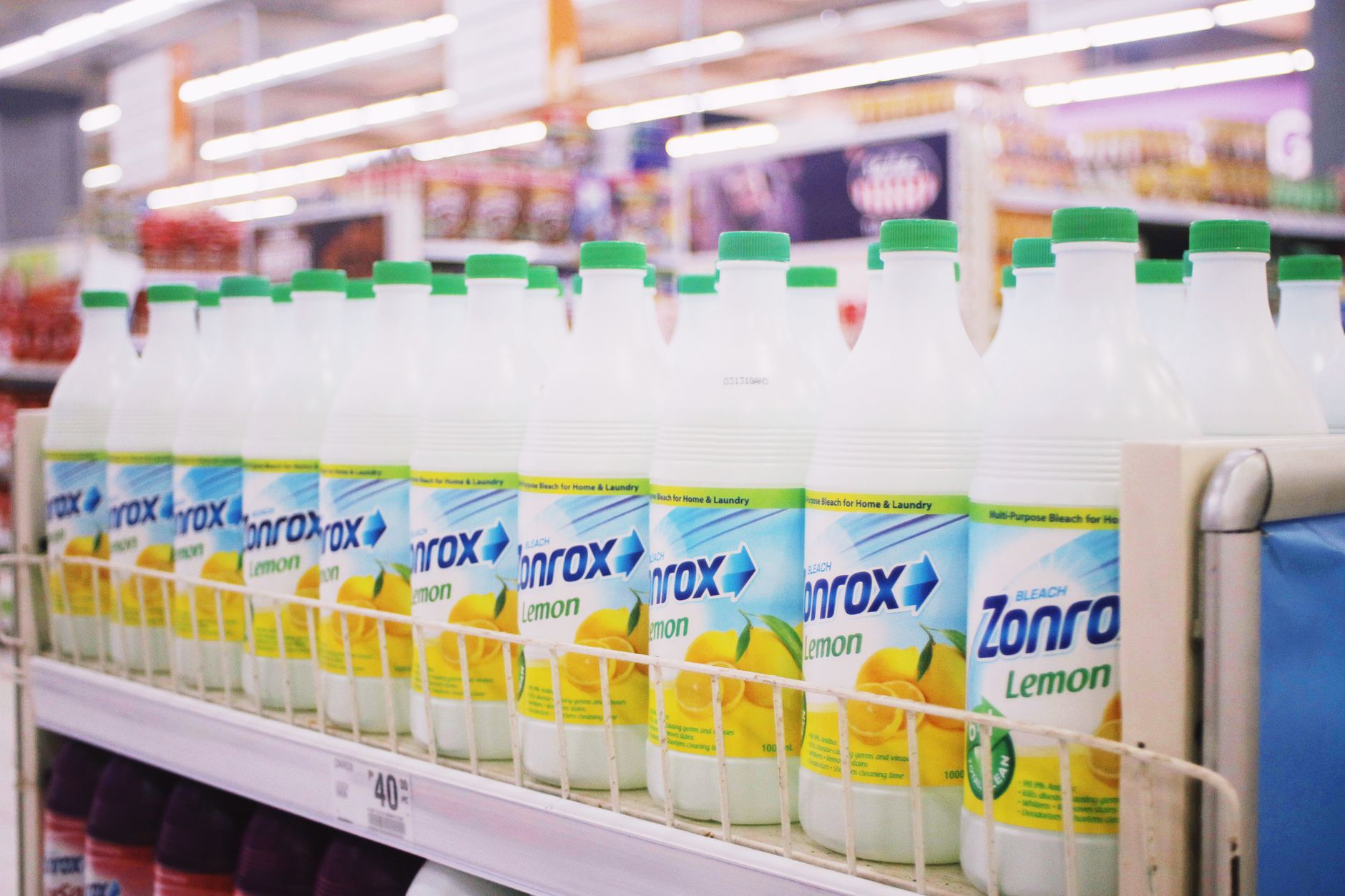
A sealed bottle of household bleach should never be handled as if it were elemental chlorine gas. Chlorine is a chemical element, while bleach is usually a water solution of sodium hypochlorite, the compound that gives the bottle its cleaning power.
The difference between chlorine and bleach starts with the form you are handling. “Chlorine” can mean pool chemicals, water treatment, or industrial disinfecting gas, while bleach is a labeled consumer product with a known concentration.
That distinction matters because a laundry stain, a pool, and a municipal water line do not need the same product or strength. EPA and CDC guidance separate the terms for that reason, and the label tells you which chemistry you actually have.
- Chlorine is an element. It refers to elemental chlorine and chlorine-based disinfecting chemistry, not a single household bottle.
- Bleach is a solution. Most liquid bleach contains sodium hypochlorite dissolved in water for cleaning and surface sanitation.
- The terms overlap. People mix them up because both rely on chlorine chemistry in water.
- The use cases differ. Water treatment, laundry, and pool care each call for different forms and strengths.
That is why is bleach the same as chlorine is usually answered with a clear no. The active chemistry overlaps, but the product, concentration, and use case do not.
That overlap is exactly why surface cleaning depends on how the solution is mixed and applied.
What A Bleach Solution Actually Does On Surfaces
That label turns into real cleaning action once sodium hypochlorite hits water. Part of it shifts into hypochlorous acid, the species that damages proteins, lipids, and nucleic acids in microbes.
How bleach works for disinfection depends on wet contact, not force. A clean surface gives the solution room to work, while dirt and soap scum consume active chlorine before it can act.
Contact Time Beats Pouring More Product
A thicker splash does not fix a short wait. EPA and CDC guidance point to dilution and contact time, because a pre-cleaned surface needs enough wet exposure for the chemistry to do its work.
So the dirt has to come off before the bleach goes on. Organic soil weakens active chlorine, which is why a grimy counter can undercut the solution before it has a chance to disinfect.
Strong Concentration Is Not A Shortcut
Higher strength can raise fumes, fade finishes, and leave residue without improving performance in a clean, controlled way. Sodium hypochlorite vs chlorine is not a contest where more always wins; the right mix is the one that matches the label and the task.
Stored bleach also loses potency over time, especially with heat and light. A jug that sat open in a hot garage can work worse than a fresh bottle, even if the smell seems sharp.
Use the surface wet for the full labeled time. A quick wipe can leave the job half done, while overconcentration can etch metal and dull finishes.
That chemistry explains why the kitchen, laundry room, and pool shed each need a different setup. Next, the side-by-side view shows where the forms split in practice.
Different jobs call for different strengths, contact times, and materials that can safely handle the liquid.
The Side-By-Side Differences That Matter In Practice
Pool chlorine, water treatment chlorine, and household bleach all share the same broad chemistry family, but they do not behave the same way in daily use. The form, strength, and handling rules change with the job.
Which one is stronger for cleaning and disinfecting depends on the task and the label, not the smell. A product made for pool water can differ from a product made for laundry, and the wrong choice can cause damage or waste time.
| Product or Use | Main Role | Common Form | Handling Notes | Cleaning, Sanitizing, or Disinfecting |
|---|---|---|---|---|
| Elemental chlorine | Industrial disinfection and chemical feedstock | Compressed gas | Hazardous to inhale; not a household cleaner | Disinfecting in controlled industrial settings |
| Household bleach | Cleaning, whitening, surface sanitation | Liquid sodium hypochlorite | Dilution matters; keep away from acids and ammonia | Cleaning, sanitizing, and some disinfecting tasks |
| Pool chlorine products | Maintain pool water residual | Liquid, tablet, or calcium hypochlorite | Different pH and stabilizers from laundry bleach | Disinfecting pool water |
| Unscented emergency bleach | Emergency water treatment | Plain liquid bleach | Must be unscented and additive-free for water use | Disinfecting drinking water in emergencies |
Odor gives you a clue, but not a verdict. A sharp smell does not prove stronger cleaning, and a mild smell does not prove weak chemistry; it can also reflect additives, age, or contamination.
Where Pools And Laundry Split
Pool care uses chlorine to keep a disinfecting residual in water, while the laundry room uses bleach to whiten and clean fabric that can tolerate it. Calcium hypochlorite, liquid sodium hypochlorite, and gas chlorine all live in the pool world, but they are not interchangeable with a jug of laundry bleach.
Household bleach is usually around 5 to 8 percent sodium hypochlorite in the United States, though product strength varies by label. That variation is why the difference between chlorine and bleach matters before you pour anything into a bucket.
When you know the form, you can choose the right handle. The next step is dilution, because the label is where safety starts.
Because the right form is only half the job, the exact mix determines whether it works well.
Dilution Rules That Keep Cleaning Effective
Bleach works best when you read the bottle, measure the dose, and respect the contact time. That sounds fussy until you see what happens with a guess: a weak mix that leaves germs behind, or a strong mix that scars grout and metals.
How to dilute bleach safely for cleaning starts with the label, because the right ratio changes by concentration and task. A 5 percent product and a 7.5 percent product do not need the same amount of water.
Read The Label Before You Mix
- Check the active ingredient. Look for sodium hypochlorite and ignore products with added fragrances or cleaners for water use.
- Find the concentration. Product strength varies, so the ratio on one bottle may not fit another.
- Use the stated contact time. A surface needs to stay wet long enough for the chemistry to act.
- Mix fresh. Diluted bleach loses strength faster than sealed product.
- Pre-clean the surface. Dirt and soap scum soak up active chlorine and cut performance.
Common Household Uses Need Different Ratios
For general hard-surface sanitation, many labels call for a diluted mix rather than straight bleach. For spill cleanup, health agencies and manufacturers may call for a stronger solution, but the exact ratio depends on the product concentration and the task.
That is why “one capful” is not a safe rule. Two bottles can carry different strengths, and a 2 percent product needs a different amount of water than a 7.5 percent product.
Step-by-step dilution works best when you use the bottle, not guesswork. Read the printed ratio, measure the water, add the bleach last, and make only what you plan to use that day.
Too Weak And Too Strong Both Fail You
Over-diluting can leave active chlorine too low to do the job. Over-concentrating can leave residue, raise fumes, and damage seals, grout, and finishes.
WHO guidance on chlorine-containing products points to manufacturer ratios for this reason. The chemistry is picky, and the label is the only place where the math matches the bottle.
Once the dosing is clear, the next risk comes from what sits in the sink with the bleach.
Even a proper mix can turn hazardous when it meets the wrong household chemicals.
The Combinations That Can Release Toxic Gas
Bleach plus ammonia can make chloramines, and bleach plus acid can release chlorine gas. Both can irritate eyes, throat, and lungs within minutes, and both can turn a routine cleanup into an emergency.
Can you use chlorine and bleach interchangeably becomes a safety issue fast when mixing is involved. The answer is no, especially when the other cleaner changes the chemistry in the air.
Ammonia Creates Chloramine Exposure
Ammonia shows up in some glass cleaners, degreasers, and old urine stains. When bleach meets it, the reaction can form chloramine gases that sting the nose and make your chest feel tight.
That reaction can happen fast in a closed bathroom or laundry room. The smell is not a warning sign you should ignore; it means you have already started breathing the problem.
Acids Release Chlorine Gas
Vinegar, toilet bowl cleaners, and some descalers fall into the acid category. Mix them with bleach and you can release toxic chlorine gas, the same inhalation hazard public health agencies warn about after accidental mixing.
Rubbing alcohol adds a different hazard, since it can form other harmful byproducts and strong fumes. The safest move is boring but effective: keep cleaners separate and never combine them in the same bucket or spray bottle.
- Do not mix ammonia. It can create chloramine fumes that irritate your eyes and lungs.
- That vinegar. The acid can release chlorine gas from bleach.
- Do not mix toilet cleaners. Many contain acids that react badly with bleach.
- That rubbing alcohol. It can form harmful byproducts and strong fumes.
- Do not mix unknown cleaners. If the label is unclear, keep it away from bleach.
Use gloves, open a window, and keep products in their original containers. A label beats memory every time, especially in a steamy bathroom or laundry room.
On the rare chance of strong fumes, move to fresh air and leave the room. That caution matters even more when bleach is used outside the house, where the wrong product can reach food, fabrics, or drinking water.
Outside the home, those same reactions can threaten crops, textiles, and water supplies.
Where Bleach Fits, And Where It Should Stay Out
Plain, unscented bleach has a narrow but real role in emergency water treatment. EPA and CDC guidance allow it for drinking water only when the product is unscented, unthickened, and free of extras that change the chemistry.
Can you use bleach to disinfect water depends on the product type and the situation. Emergency use is different from everyday cleaning, and only plain bleach belongs in that job.
Emergency Water Treatment Uses Plain Bleach Only
When a storm, boil notice, or supply failure leaves water uncertain, unscented household bleach can help treat it in a pinch. The dose has to match the product label and public health directions, because too much can leave an off taste and too little can miss the job.
Scented, splashless, and color-safe products are poor choices here. Additives can make the solution unreliable for water treatment, and that is not a place for guesswork.
Some Materials Do Not Like Bleach At All
Bleach can fade cotton, weaken wool and silk, pit aluminum, stain stone, and dull delicate finishes. It can also stress rubber gaskets and some plastics, which is why a sink full of bleach is rough on mixed-material fixtures.
Mold on porous drywall, wood, or fabric presents another limit. Surface whitening does not always reach deeper growth, so a different cleaner or a replacement material may make more sense than a bleach soak.
That is the point where chlorine bleach safety matters more than convenience. If the surface is delicate, porous, or reactive, a gentler product often works better.
Safer Alternatives Fit Many Jobs Better
- Dish soap and water. Good for grease and routine cleaning on most surfaces.
- Hydrogen peroxide cleaners. Useful on some stains where chlorine bleach would fade fabric.
- Soap plus friction. Strong for food residue on counters before any sanitizing step.
- Manufacturer cleaners. Better for stone, stainless steel, and delicate finishes that bleach can damage.
That is the practical heart of chlorine vs bleach: use the right form for the right job, then stop before mixing, soaking, or overpouring turns a routine task into a problem. The final check is simple: choose the mildest product that still matches the job, and only on a surface that can take it.
Choosing carefully keeps the job effective without damaging the surface or creating avoidable hazards.
Bottom Line
Chlorine and bleach share chemistry, but they are not the same thing. Once you separate the element from the household solution, the rest gets easier: measure the dilution, respect contact time, and keep bleach away from ammonia and acids. That habit protects your surfaces, your lungs, and your water.
When you need a quick rule, use this one: chlorine describes the element or chlorine-based chemistry, while household bleach usually means sodium hypochlorite in water. The right choice depends on whether you are cleaning, sanitizing, disinfecting, or treating water.
FAQ
What is the difference between chlorine and bleach?
Chlorine is an element and a broader disinfecting chemistry term, while bleach is usually a sodium hypochlorite solution. The two are related, but they are not interchangeable in a bottle, a pool, or a cleaning recipe.
Is bleach the same as chlorine?
No. Household bleach contains chlorine-based chemistry, but it is not elemental chlorine gas. The product you buy for laundry or cleaning is a liquid solution, not the chlorine used in industrial settings.
Can you use household bleach to disinfect drinking water?
Plain, unscented household bleach can be used for emergency water treatment when public health guidance calls for it. The bleach has to be additive-free, and the dose has to match the label or official instructions.
What happens if you mix bleach with ammonia or acid?
Bleach plus ammonia can form chloramine gases, and bleach plus acids can release chlorine gas. Both can irritate eyes and lungs fast, so keep those products separate and ventilate the area right away.
What type of bleach is safe for disinfection?
Unscented, plain household bleach with sodium hypochlorite as the active ingredient is the standard choice for many surface jobs. For water treatment, only additive-free product labeled for that purpose belongs in the mix.