Don't miss our holiday offer - up to 50% OFF!

Dirt in Pool: Fast Fixes, Causes, and Prevention

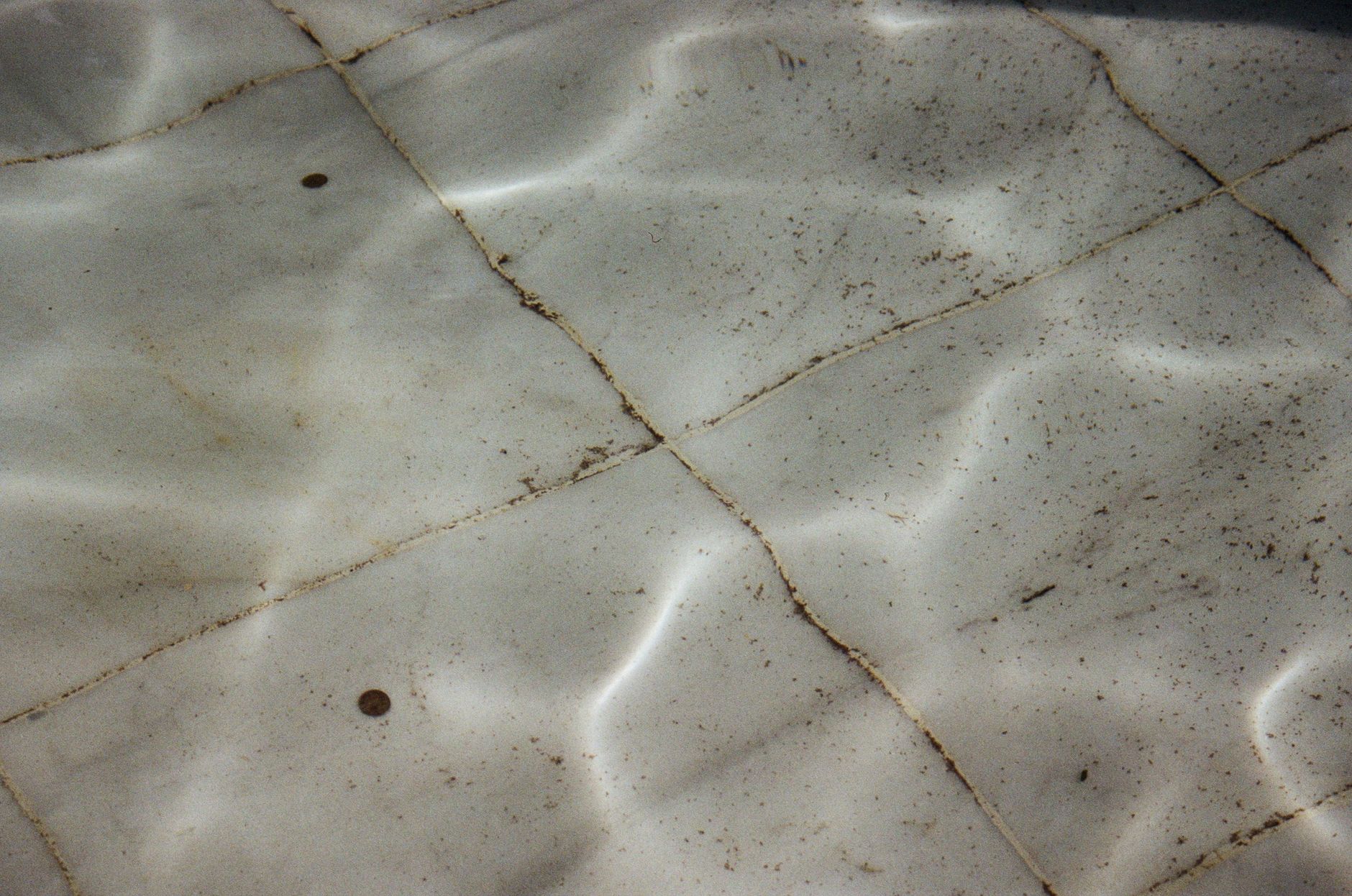
Fine debris, silt, or dead algae often settles in the spots where circulation is weakest, clouding the water. The color, texture, and speed of the mess show whether you need a vacuum, a filter cleanout, or a water-balance fix.
You can use a quick source check to clear the bottom fast and stop the same grit from coming back. This helps you tell what is dirty, what is broken, and what needs a simple cleanup.
Reading The Dirt Before You Clean
The debris tells you a lot before you touch the pool vacuum. Brown grit after rain often points to soil or silt, while gray dust that smears on the steps often points to fine sediment or dead algae.
Clear water matters too. The CDC says pool water should stay clear enough to see the main drain, and cloudiness can signal poor disinfection, debris, or filtration trouble. That makes the floor pattern a useful clue, not just an eyesore.
Separate debris from algae and sediment
Leaves, insects, and pine needles are easy to spot. Fine dirt in pool water behaves differently because it settles as a soft layer or hangs in the water like chalk dust.
Dead algae adds another clue. It can look tan, gray, or green and often breaks apart when brushed, so you need brushing, sanitizer in range, and filtration at the same time. A skimmer basket, pool filter, and pool pump each affects how fast you get the water back.
Read the color and the way it moves
Windblown clay stays suspended longer than sand because tiny particles carry electrical charge and resist settling. That is why dirt in pool water can look clean again a few hours after you vacuum it.
Bright white dust usually comes from plaster residue, calcium scale, or very fine dust from the deck. A green cast points toward algae, and that shifts the job from debris removal to chlorine control and pH balance.
Spot circulation and filter trouble early
Dead spots behind ladders, in steps, and at the far end from return jets let debris settle instead of reaching the skimmer basket. A clogged pump basket or weak return flow creates the same result.
The Pool & Hot Tub Alliance says inspecting skimmers, filters, and deck areas helps match the cleanup method to the source. That matters because the wrong fix wastes time and leaves the cause in place. Once you know what you are seeing, the cleanup goes faster.
A clearer diagnosis saves effort, and the quickest cleanup follows the problem’s source.
The Fastest Way To Clear The Bottom
A manual pool vacuum usually clears settled dirt faster than waiting on the filter alone. Penn State Extension notes that heavy bottom debris comes out best when you brush it toward the vacuum head and remove it before it spreads back through the water.
That order keeps fine material from loading the pool filter too fast. It also keeps the water from turning cloudy again while the pool pump is still running.
Skim and lift the load before it sinks
- Skim the surface Remove leaves, bugs, and twigs before they break apart and sink.
- Empty the baskets Clear the skimmer basket and pump basket so flow stays strong.
- Brush the floor Push settled grit toward the main drain or vacuum head.
- Vacuum slowly Move at a steady pace so suction pulls fine dirt instead of stirring it up.
- Backwash or clean Rinse the filter when pressure rises or flow drops.
Use the right cleanup order
Start with the surface, then work down the walls and floor. That order matters because every brush stroke and every pass of a pool net sends loose material toward a place the circulation system can catch it.
If the load is heavy, vacuuming to waste can make more sense than sending the mess through a loaded filter. Penn State Extension and pool service training both point to that approach when silt is fine enough to clog media fast. From there, the water quality question becomes more than a cleaning question.
When clogging happens this fast, chemistry becomes a question of timing and fit.
Brush before you vacuum, not after. Brushing breaks loose the film that hides in grout lines, steps, and around fittings, so the vacuum can lift it in one pass.
When Chemicals Help, And When They Do Not
Chlorine handles germs and algae, not piles of sand or leaf bits. The EPA and CDC both stress that sanitizers work with circulation and filtration; they do not replace either one.
That difference matters because a pool cloudy with dirt can look like a chemistry issue while the real problem is a clogged basket or weak pump runtime. The same water can be balanced and still look rough.
Keep sanitizer and pH in range
| Water check | Why it matters | What you see when it drifts |
|---|---|---|
| Free chlorine | Controls organic growth and swimmer waste | Cloudiness, algae, and faster debris buildup |
| pH balance | Affects sanitizer strength and water comfort | Hazy water and weaker sanitizer action |
| Cyanuric acid | Reduces sunlight loss of chlorine | Too much can slow chlorine activity |
Match the chemical response to the dirt
Organic dirt, pollen, and dead algae need sanitizer in range and good brushing so the debris breaks apart and reaches the filter. Inert soil, sand, and silt need removal, not a larger chemical dose.
Algaecide and flocculant can help in narrow cases, but neither replaces filtration. A flocculant clumps very fine particles so they settle, while a clarifier helps smaller particles gather and stay trapped. That difference matters in a pool with fine gray dust on the steps.
Do not chase cloudiness with more chlorine alone. Weak circulation can leave the same dirt sitting in the corners while the chemistry test still looks decent.
Know the point where chemicals stop helping
CDC Healthy Swimming guidance treats cloudy water as a service issue because it can hide swimmers in distress and raise illness risk. Dirty water can point to poor maintenance, not just a chemical shortage.
A pool green with settled flakes needs brushing, filtration, and the right sanitizer level for the stabilizer load. A brown floor after a storm needs a cleanup plan, not a bigger shock dose. That leads straight into the reason the mess keeps returning.
Even a careful cleanup can fail if the underlying source keeps feeding debris back in.
Why Dirt Keeps Coming Back After Cleaning
Recurring dirt in pool water means the source is still active. NSF guidance says dirty or undersized filters, weak circulation, and dead spots can send particles right back to the floor after cleanup.
That is why the same shallow end can look clean after vacuuming and dusty again by dinner. The source is still feeding the water.
Find dead spots in the circulation system
Behind ladders, under benches, near steps, and at the far end from return jets, water can move too slowly to keep debris suspended. Those quiet zones collect dust the way a low spot in a yard collects rain.
Return jet direction matters, too. Aim them so water sweeps the whole basin, not the same short loop near the skimmer. A single dead zone can explain why dirt keeps landing in the same place.
Check the pump and filter setup
A dirty filter cake can act like a clogged air filter in a car. Once it loads up, it stops catching fine particles and flow falls off.
Cartridge filters need regular cleaning. Sand filters need backwashing. DE filters need media care and proper recharging after cleaning. A weak pump basket, a cracked lid gasket, or a pool pump that runs too few hours can leave fine sediment in the water long enough to settle again.
Track outside sources that feed the pool
Wind carries dust, nearby landscaping sheds soil, and swimmers drag in grit from the deck. A torn cover, poor deck drainage, or a construction site next door can keep feeding the pool with beige dust.
That is what causes dirt in pool water to feel endless. The cleanup works only until the next source sends another load in. Once that source is under control, a routine care plan starts to hold.
Once that feed is controlled, steady habits finally have a chance to stick.
A Maintenance Routine That Keeps Water Clear
Regular skimming, vacuuming, brushing, and filter care keep dirt from turning into a weekly project. PHTA, CDC, and EPA guidance all put filtration, circulation, and water balance ahead of chemical guessing.
The routine does not need to be fancy. It needs to happen on schedule, before the buildup gets heavy.
Use a simple backyard pool schedule
- Skim daily Remove leaves and insects before they sink and stain the floor.
- Brush weekly Knock loose film and settled dust from steps, walls, and corners.
- Vacuum as needed Clear the floor before sediment hardens into a stubborn layer.
- Check baskets Empty skimmer and pump baskets before flow drops.
- Test water Watch free chlorine, pH, and cyanuric acid so the sanitizer can work.
- Clean the filter Backwash or rinse on schedule so fine dirt stays trapped.
Keep the filter and water chemistry in step
Circulation and chemistry work like a pair. Good flow moves particles into the pool filter, and balanced water helps the sanitizer stay active against algae and organic load.
Poor pH balance can dull sanitizer performance, and a neglected filter can put clean water back out slowly or not at all. That is why pool maintenance needs both sides, not one or the other. A pool that looks clear today can still drift back toward haze tomorrow.
That balance is what keeps a clear pool from slipping back into haze.
Run the pump long enough for the whole volume to turn over. Short runtime leaves suspended dirt in the water and gives the bottom more time to collect it.
When Dirty Water Becomes A Service Problem
Persistent cloudiness, repeated bottom dirt, or weak flow points to equipment trouble more than a cleaning miss. The CDC links cloudy water with poor sanitation and reduced visibility, while PHTA ties recurring debris to filtration and circulation faults.
That is the point where more skimming stops helping. The system itself needs a closer look.
Watch for symptoms that point past routine care
Water that turns dull again within hours after cleaning, returns that barely move the surface, or a filter that stays dirty after backwashing all point to trouble. A pump that hums, leaks, or loses pressure can do the same.
Heavy recurring dirt in pool water can also signal a sizing problem. An undersized filter or weak pump cannot keep up with the amount of dust entering the basin.
Bring in a pool professional for equipment or water quality faults
A service call makes sense when the filter media needs replacement, the pump seems starved, or the water stays unsafe-looking after balanced chemistry and a full cleanup. That is the line between routine care and repair.
Two common examples stand out: a brown storm layer that keeps returning after vacuuming, and a green-tinged floor that brushes back into cloudiness. Both point to more than surface dirt. A trained tech can read the system, not just the floor.
Those warning signs show why the issue belongs in expert hands, not just on the surface.
Final Look
The fastest fix starts with the source, not the chemical jug. Once you separate soil, silt, algae, and circulation trouble, you can choose the right mix of brushing, vacuuming, basket cleaning, backwashing, and water testing. That is how the same pool stops looking dirty by the next afternoon.
FAQ
Why is there dirt in my pool?
it water usually comes from windblown dust, soil, pollen, dead algae, swimmer debris, or a filter and circulation problem. The color, texture, and speed at which it settles help you narrow the source before you clean.
How do you get dirt out of pool water?
Skim the surface, brush the walls and floor, then vacuum the settled material slowly. Empty baskets, clean or backwash the filter, and recheck free chlorine and pH so the water stays clear after the debris is gone.
Why does dirt keep coming back to the bottom of my pool?
Recurring dirt usually means poor circulation, dead spots, a loaded filter, or a constant outside source such as dust, landscaping, or tracked-in soil. The problem returns because the water still has somewhere for debris to settle.
Can dirt in a pool mean a water chemistry problem?
Yes. Low free chlorine, out-of-range pH, or high cyanuric acid can let algae and organic material build up, which then looks like dirt or cloudy residue. Chemistry alone will not fix inert sand or silt.
Should I vacuum dirt out of the pool or filter it out?
Vacuuming works fastest for settled material on the floor, while filtration handles smaller particles that stay suspended. For heavy silt, vacuuming to waste can keep the filter from clogging and keeps fine dust from recirculating.