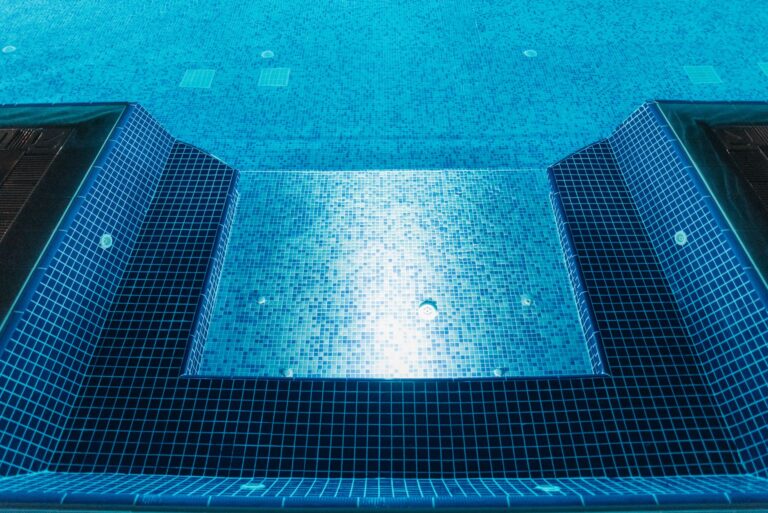

Weekly testing, balancing, cleaning, and circulating spa water keeps it safe, clear, and ready to use. Warm water burns through sanitizer faster than a pool, so a tub that looks fine on Saturday can drift out of range by Sunday night.
You can keep the water clear, the equipment calm, and the bills more predictable with a steady schedule. This matters most if you want fewer repairs, fewer cloudy-water surprises, and a simpler hot tub cleaning routine.
The Routine That Keeps Water Safe
A spa stays steady when you give it small, repeated checks instead of one heroic cleanup. Daily attention takes minutes, while weekly water testing catches trouble before it turns the water dull or harsh.
Hot tub maintenance starts with sanitizer, pH, total alkalinity, and circulation. That mix controls hot tub water chemistry, and CDC guidance for residential spas says warm water needs frequent checks because heat speeds disinfectant loss and helps microbes grow faster.
Your best habit is a short routine: test, adjust, rinse, and recheck. That order keeps the water closer to range and keeps you from chasing one problem with three chemicals.
Daily checks that take minutes
Daily checks prevent small issues from turning into cloudy water, odor, or extra wear on the jet system. A quick look also helps you catch debris before it loads the filter cartridge.
- Skim debris: Remove leaves, hair, and grit before they sink and load the filter.
- Confirm water level: Keep it high enough for good circulation and jet action.
- Glance at clarity: Cloudiness, foam, or odor means the water needs attention.
- Check the cover: A snug cover blocks dirt and slows heat loss between soaks.
These checks protect hot tub maintenance from becoming a full reset later. If the surface looks off, move straight to testing so you can fix the cause, not just the symptom.
Weekly water testing and small corrections
Test sanitizer and pH at least once a week, and more after heavy use. Bromine and chlorine both fall faster in hot water, and pH drift changes how well either sanitizer works.
Total alkalinity sits in the background and buffers pH. Too low, and pH swings hard; too high, and pH tends to climb, which can feed scale and cloudiness. A family tub used nightly needs tighter attention than a weekend tub with light use.
That relationship is the core of how to balance hot tub water. When total alkalinity stays in range, pH moves less, sanitizer works more predictably, and you spend less time correcting the same water twice.
Monthly circulation checks and deep care
Look for weak jets, odd pump noise, or slow flow once a month. Poor circulation leaves dead zones where sanitizer never reaches well, and that can seed biofilm in plumbing.
Keep a simple log of test readings, chemical additions, and cleanings. The Pool and Hot Tub Alliance promotes written records because patterns show up faster on paper than in memory. Once the routine is stable, water chemistry becomes much easier to steer.
Monthly hot tub maintenance also helps you spot trends before they cost money. A slow jet system, repeated sanitizer drop, or recurring haze can point to the same filter cartridge or circulation problem.
Those clues point straight to the chemistry side, where small adjustments can restore balance before larger repairs are needed.
Balancing Water Chemistry Without Guesswork
Hot tub water acts like a small, heated tank with a short fuse. A slight pH shift can change sanitizer strength, comfort, and how fast scale forms on metal parts.
Sanitizer, pH, and total alkalinity work as a set. Sanitizer does the active work, pH shapes how well it works, and total alkalinity helps the pH stay steady. NSF consumer guidance on spa care says balanced water keeps disinfection effective and lowers corrosion and scale risk.
Sanitizer does the active work
Chlorine acts quickly and costs less, but it needs closer pH control. Bromine stays steadier in hot water and tolerates a wider pH range, which is why many spas use it.
Warm water breaks down sanitizer faster because heat speeds chemical loss and supports microbial growth. A tub at 102 F can chew through residual sanitizer much faster than a pool at lower temperature, so frequent testing matters for comfort and safety.
That is why hot tub sanitizer levels can fall between soak sessions even when the water looked fine earlier. If sanitizer drops too far, odors, cloudiness, and irritation can show up within hours.
pH and alkalinity shape the result
pH tells you how acidic or basic the water is. When pH climbs too high, chlorine works less well and minerals settle out more easily; when pH drops too low, metal parts corrode faster and skin feels irritated.
Total alkalinity acts like a shock absorber for pH. Set it wrong, and pH bounces after every soak. Set it well, and your sanitizer level stays more predictable from one test to the next.
That balance also changes how long your water stays usable. Stable chemistry supports clear water, slower scale buildup, and less strain on heaters and seals.
Clean balance protects bathers and hardware
Balanced water lowers the chance of chemical irritation, cloudy water, and rough white scale on heaters and jets. It also helps pumps and seals last longer because they are not fighting corrosive or mineral-heavy water every day.
Do not chase clarity with extra sanitizer alone. High sanitizer with bad pH can still sting eyes, leave odor, and shorten equipment life.
Good hot tub water chemistry protects both comfort and equipment. The same correction that clears the water often reduces foam, scale, and heater strain at the same time.
Once the water is balanced, attention shifts to the surfaces and filters that keep that balance from drifting again.
Cleaning Filters, Surfaces, and Covers On Schedule
Dirty filters and sticky shell walls can make good water look bad fast. A clean spa has clear circulation paths, a clean waterline, and a cover that keeps debris out instead of trapping it in.
Hot tub filter cleaning matters because the cartridge is the main mechanical trap for oils, hair, and fine solids. When it loads up, flow drops, sanitizer spreads less evenly, and the water turns cloudy even when chemistry looks close to right.
Filter cartridges need routine care
Rinse the cartridge with a hose after heavy use, then soak it in a filter cleaner on the schedule in your manual. Many makers also call for a full replacement after the cartridge wears out, frays, or stops recovering after cleaning.
Pressure rise, weak jets, and slower skimming all point toward a clogged filter. A cartridge that looks pale can still be packed with oils inside the pleats, so water appearance alone does not tell the whole story.
Hot tub filter cleaning works best on a calendar, not by guesswork. Rinsing every week and deep-cleaning on a monthly or manual-based schedule keeps flow more stable and protects the pump from extra strain.
Shell, waterline, and cover care matter too
Wipe the shell and waterline with a spa-safe cleaner to remove lotion residue and body oils. That ring around the edge is not cosmetic; it is food for biofilm and the source of that greasy feel under the rim.
Clean the cover with mild soap and water, then dry it fully. Inspect straps, seams, and the hinge fold for waterlogging or tearing. A damaged cover leaks heat, lets debris drift in, and raises the load on your heater.
Cover care also affects operating cost. A tight, dry cover keeps heat in and cuts the amount of work your system has to do between soaks.
Tennis balls help, but only a little
A tennis ball can soak up some surface oils, which is why it shows up in spa care chatter. It is a minor aid, not a cleaning method, and it does nothing for clogged pleats, scale, or waterline residue.
One quick example makes the difference clear. A tub used after workouts may pick up sweat and body oils fast; a tennis ball can catch a small share of that film, but only filter care and shell cleaning remove the rest.
So the tennis ball is a helper, not a fix. Hot tub cleaning routine tasks still need to handle the real buildup at the filter cartridge, shell, and waterline.
Even when the water looks better, hidden buildup can linger where circulation and cleaning both matter most.
Reading the Signs Before Problems Spread
Cloudy water is a warning, not a cosmetic nuisance. So are sharp odors, foam, scale, and water that loses clarity a day after testing.
The CDC and the Pool and Hot Tub Alliance both tie those signs to poor sanitation, weak filtration, or buildup in the water. Neglected chemistry and filtration are usually the first problems to show, and they tend to show up together.
What cloudy water and odor usually mean
Cloudiness often points to low sanitizer, overused filter media, or organic load from sweat and lotion. A strong chemical smell can mean combined chlorine or other spent byproducts, not too much sanitizer.
Foam often comes from surfactants in soaps, hair products, and laundry residue on swimsuits. Scale points in the other direction, toward high pH, high calcium hardness, or both.
These clues narrow the fix fast. If cloudiness appears with foam, start with rinse habits and filter care; if it appears with scale, focus on how to balance hot tub water before adding more chemicals.
A short case from a family tub
A four-person spa that looked fine after a Saturday soak turned milky by Tuesday morning. The fix was not a heavy chemical dose; it was a filter rinse, pH correction, and a deeper cleaning of the shell and plumbing lines.
Once the filter opened up again, the water held clarity longer. That pattern is common: the surface problem shows up first, but the root cause sits in chemistry or filtration.
That is also why hot tub maintenance needs a troubleshooting step, not just a cleaning step. A quick read on the water can save you from overcorrecting sanitizer levels and making the problem worse.
What to do before the water drifts farther
Start with testing, then move to the simplest physical fixes before adding more chemicals. That order saves time and helps you avoid masking the real issue.
- Test right away: Check sanitizer, pH, and alkalinity before adding more chemicals.
- Rinse the filter: A loaded cartridge can mimic a chemistry problem.
- Wipe the waterline: Oils and residue can keep cloudiness coming back.
- Check circulation: Weak flow leaves dirty pockets inside the shell and plumbing.
These steps usually solve the most common cloudy-water complaint. If the water still stays off after that, a drain and refill is often the cleaner reset.
When routine fixes fall short, persistent cloudiness often signals contamination that only a full reset can remove.
Draining and Refilling Before Contamination Builds
A drain and refill is a routine reset, not a sign that something failed. Dissolved solids, body oils, lotion, detergents, and chemical byproducts all stack up in spa water over time.
Hot tub maintenance works better when you treat replacement water as scheduled care. CDC guidance and spa manufacturers both support periodic draining because no sanitizer can erase everything that builds in a small hot-water system.
Timing depends on use, load, and water quality
A tub that runs nightly for a family needs fresh water sooner than one used a few times a month. Heavy bather load, persistent cloudiness, or stubborn odor all shorten the useful life of the water.
Fresh fill water also needs startup balancing before hard use. Source-water hardness, metals, and pH can dominate the first few days, so the start-up week matters more than many owners expect.
Drain and refill timing should follow water quality signs, not just the calendar. If sanitizer disappears fast, the water feels greasy, or the same haze keeps returning after cleaning, the old water is usually part of the problem.
Routine refills lower contamination risk
Hot water and recirculation create a setting where organisms can linger if sanitizer and filtration fall behind. Routine water replacement helps lower contamination risk, including waterborne illnesses such as Legionella.
Drain, wipe, refill, and rebalance before the water feels tired. A clean fill gives you a fresh baseline for sanitizer, pH, and flow, which makes the next stretch of care far easier to hold steady.
A full reset also helps the jet system, the heater, and the plumbing start with less residue. That matters because buildup inside small passages can keep limiting performance even after the surface looks clean.
That residue is costly in another way, because it quietly raises wear, energy use, and safety risks over time.
Protecting Equipment, Safety, and Operating Costs
Balanced water saves parts as much as it saves water quality. Scale, corrosion, and foam all punish heaters, seals, jets, and pumps, and the damage often starts long before any obvious failure.
Good cover care, insulation, and sensible circulation habits also answer the electricity question more honestly than letting the tub churn all day. Heat loss through a damaged cover can waste more energy than a smart filtration schedule ever will.
Inspect covers, drains, locks, and electrical parts on a regular schedule. CPSC spa safety guidance links those checks to lower entrapment, drowning, and shock risk.
Water balance protects hardware
Scale forms when high pH and high calcium hardness let minerals drop out and cling to warm surfaces. Corrosion shows up when water stays too acidic, and foaming often trails behind oil buildup and poor rinse habits.
Hot Tub University and Watkins Wellness both note that steady water care helps pumps, heaters, and plumbing last longer. The chemistry is simple: cleaner water lets moving parts do their job without fighting grit, film, or mineral crust.
That is long-term it in practice. Fewer deposits mean less heater strain, fewer clogged passages, and a lower chance of premature wear on seals and jets.
Safety checks belong in the routine
Look at the drain cover, suction fittings, lock latches, and the GFCI-protected electrical setup. Damaged or loose parts can create entrapment, overheating, or shock hazards, and those problems do not wait for a convenient time.
Keep the water level correct, the cover closed when not in use, and the circulation schedule sensible. A spa that runs in a wasteful way can add to your electric bill, but a tight cover and clean filter keep the load far lower.
On the cost side, the biggest savings usually come from cover care and circulation discipline. A good cover keeps heat in, and a clean filter lets the pump move water without working harder than needed.
Taken together, these habits show how steady maintenance protects comfort, efficiency, and the life of the system.
Final Thoughts
it works best as a steady routine, not a rescue mission. Test the water, balance pH and alkalinity, clean the filter, watch for cloudy water, and drain on schedule. Those small habits keep the water safer, the equipment calmer, and the operating cost more reasonable.
Daily checks handle the obvious stuff, weekly testing handles chemistry, monthly inspections catch wear, and quarterly or seasonal resets keep the system from drifting too far. That rhythm protects water quality, equipment life, and energy use at the same time.
FAQ
What maintenance does a hot tub need?
You need regular water testing, sanitizer adjustments, pH and alkalinity balancing, filter cleaning, shell wiping, cover care, and periodic draining with refilling. That routine keeps circulation strong and gives you earlier warning before cloudiness, odor, or scale turn into bigger problems.
How often should you test hot tub water?
Test sanitizer and pH at least weekly, then retest after heavy use, rain splash, or a guest-heavy soak. Warm water uses sanitizer quickly, so more frequent checks keep the water within a safer range and make small corrections easier.
How often should a hot tub be drained and refilled?
The right interval depends on use, bather load, source water, and how well the chemistry holds. A family spa used nightly needs fresh water sooner than a lightly used tub, and persistent odor, haze, or stubborn imbalance are strong signs that a refill is due.
Why does hot tub water turn cloudy?
Cloudiness usually points to low sanitizer, a clogged filter, poor circulation, or too much organic buildup from oils and lotions. Scale and imbalanced pH can add to the haze, so the fix usually starts with water testing, filter care, and a shell wipe-down.
Why do you put a tennis ball in a hot tub?
A tennis ball can soak up some surface oils, which helps a little with scum. It does not replace filter cleaning, waterline scrubbing, or proper water balance, so it works only as a minor helper.
Is it cheaper to leave a hot tub on all the time?
Continuous operation can be less wasteful than repeated full heat-ups, but the real cost depends on cover condition, insulation, local climate, and circulation settings. A tight cover, clean filter, and sensible run time usually matter more than raw hours alone.