Don't miss our holiday offer - up to 50% OFF!

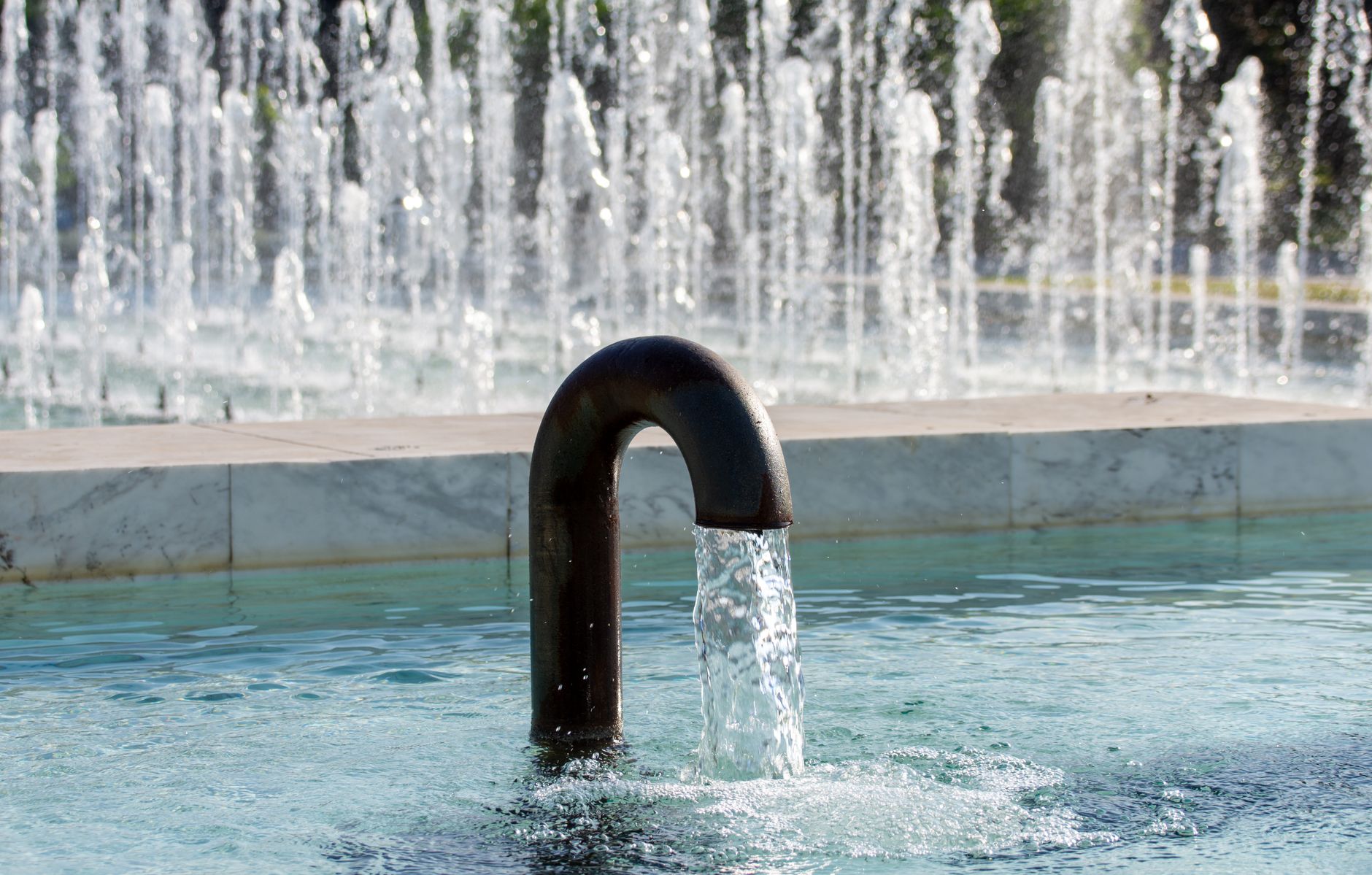
Pool Return Jets: Aim, Adjust, and Troubleshoot Flow

Pool return jets are the wall fittings that send filtered water back into the pool after the pump and filter finish their work. To improve circulation, you aim them so water sweeps the surface, reaches dead spots, and supports the skimmer instead of just blasting one wall.
If your pool has weak flow, uneven mixing, or debris that keeps settling in the same area, the fix usually starts with placement and aiming. You can also use that same flow pattern to spot pump, filter, valve, or air leak problems before they turn into larger repairs.
Return jets in the circulation loop
After the skimmer and main drain pull water in, the pump and filter send it through the return line and back into the pool. That final push matters because moving water carries sanitizer through the basin and keeps quiet pockets from forming near steps, benches, and corners.
Return jets sit on the supply side of that loop. Skimmers and suction lines pull water out, while the return side sends it back in, so the jet nozzle and valve position affect how the whole pool mixes.
What the fittings do in practice
A return fitting does not remove leaves or sand on its own. It keeps water moving so the skimmer can catch floating debris and the filter can keep working without leaving still water near low-flow areas.
Good circulation depends on motion because stagnant water weakens treatment and lets debris settle. That is the same basic reason public-health guidance on water quality puts circulation near the center of pool care.
Why the flow pattern matters
The stream from each outlet helps shape circulation across the floor and the surface. In a rectangular pool, that often means a slow loop toward the skimmer side; in a freeform shell, you may need more than one return to stop dead spots behind curves or ledges.
Hayward Pool Products describes the same basic hydraulic cycle in its circulation materials: water goes out, gets treated, then comes back through the wall fitting. That cycle works best when the outlet is aimed to keep the surface moving without creating unnecessary turbulence.
Key parts in the loop
- Skimmer pulls floating debris from the surface before it sinks.
- Pool pump drives water through the system and sets return strength.
- Pool filter adds resistance while removing dirt from the stream.
- Valve controls how much water reaches each branch of plumbing.
- Return line carries cleaned water back to the wall fitting.
- Jet nozzle shapes the stream and changes its reach.
Once you can name each part, layout becomes the next issue. Where the fittings sit in the shell changes how well water sweeps the pool, and that leads straight into pool return jet placement.
That placement sets the pattern for circulation, and the shell layout decides how evenly water travels.
The layout that shapes pool flow
That circulation pattern changes fast when the fittings move from one wall to another. A return on the shallow end behaves differently from one on the deep end, even with the same pump.
The Model Aquatic Health Code, used by many public-health and pool-design teams, favors circulation layouts that mix water evenly and avoid dead zones. The same principle applies to home pools: the return pattern should push water through the whole basin, not just one short path.
Common placement patterns
| Placement pattern | Flow effect | Best use |
|---|---|---|
| One wall on the shallow end | Creates a long sweep across the surface | Simple rectangular pools with one main skimmer run |
| Opposite walls | Balances mixing across a wider basin | Long pools with corners that trap still water |
| Multiple returns on one side | Spreads water over a broader area | Freeform pools and wider tanning ledges |
| Bench or step returns | Moves water through low-flow features | Built-in seating and shelf areas that collect debris |
Placement is not about symmetry for its own sake. It is about getting moving water to reach the places that would otherwise sit still, like the back of a bench or the far corner behind a ladder.
How shape and depth change the pattern
Round and oval pools tend to feed circulation in a loop, while sharp corners can trap sediment the way a spoon leaves syrup at the edge of a bowl. Deep ends need attention too because cooler, heavier water can sit lower there without enough push from the returns.
PHTA training materials and NSF aquatic guidance both treat inlet placement as a hydraulics problem, not a cosmetic one. The goal is uniform mixing and fewer short-circuits between where water enters and where it leaves the system.
What pump size and plumbing change at the wall
Pool pump flow, pipe diameter, and valve setting all shape how much pressure reaches each jet. A larger pump does not automatically mean stronger circulation at the wall; a long plumbing run, a dirty cartridge, or a partially closed valve can flatten the stream fast.
Energy Saver, the U.S. Department of Energy program, has long advised that pump sizing should match the job instead of overpowering it. The same logic applies here: too much velocity wastes energy and can throw water into splashy, noisy turbulence rather than useful mixing.
That balance matters even more once you start aiming the eyeball insert. The direction of the stream can fix a weak-looking pool or make a good system behave badly.
A slight change in direction can transform circulation, especially when the stream needs a stronger mix.
Aiming eyeball fittings for better mixing
Eyeball return fittings give you directional control without changing the whole plumbing run. A slight turn can move the stream along the wall, sweep floating debris toward the skimmer, and spread treated water through places that had gone quiet.
That small insert works like a nozzle on a garden hose: narrow the opening and the stream reaches farther, but back pressure rises too. The tradeoff matters, because a smaller opening can raise velocity while cutting total flow.
How to aim the stream
Set the outlet so water moves around the pool in a broad loop rather than hammering one spot. In most home pools, a mild downward angle plus a sideways push across the surface works better than pointing straight out at chest height.
Start with a gentle sweep that sends surface water toward the skimmer and keeps the floor from going still. A hard blast can churn up debris, add splash, and still miss the far end.
In a rectangular pool, aim the returns to travel the long axis and feed the skimmer side. In a freeform shell, split the flow so one jet does not short-circuit into another before the water crosses the basin.
Practical checks while you adjust
- Turn the pump off before moving the eyeball insert.
- Shift a little instead of forcing the fitting to a hard stop.
- Watch the surface for a steady sweep, not a choppy wake.
- Check the corners for trapped leaves or fine grit after the change.
- Listen for noise that signals too much velocity or air in the line.
These small adjustments matter most during heavy bather load, after a shock treatment, or after a backwash that changed system pressure. Once the flow looks right, the remaining problems are easier to sort from the return side versus the rest of the system.
When the jet seems fine, the real culprit is often hidden in pressure losses elsewhere.
Weak or uneven flow usually starts elsewhere
A quiet jet is often a symptom, not the cause. Dirty media, a clogged basket, low water, or a half-closed valve can all choke the stream before water ever reaches the wall fitting.
CDC pool guidance and PHTA hydraulics both point the same way: check the circulation system as a whole before blaming the nozzle. A return that sputters after a cartridge change, for example, can simply mean the old cartridge was adding resistance that is now gone.
The first places to check
- Filter load can cut pressure fast when cartridges or sand need service.
- Pump basket can trap hair, seed pods, and small debris.
- Water level that falls below the skimmer mouth pulls air and weakens flow.
- Valve position can route too much water away from one return branch.
- Air in the lid can point to a suction-side leak or loose seal.
A single weak return does not always mean that one fitting is bad. It can mean the plumbing branch has more resistance than the others, or that a heater, chlorinator, or long run of pipe is taking more of the pump’s output than expected.
What bubbles and sputtering usually mean
Bubbles at the wall fitting often point back toward the suction side, not the return fitting itself. Air leaks on the pump lid, a loose union, or a crack in the basket seal can send air through the system and show up as sputter at the jet.
One strong clue is consistency. A return that starts strong, then coughs air after a few minutes, often tracks to a suction problem or a water level that keeps dropping below the skim line.
Quick diagnosis path
Work from easiest to harder. Clean the basket, check the filter pressure, open the valves fully, top up the water, and listen for air at the pump before assuming the jet nozzle is the issue.
That order saves time because upstream resistance changes the whole hydraulic balance. Once that path is clear, cleaning the fitting itself becomes safe and useful rather than a random guess.
That kind of imbalance means the fitting deserves a careful cleaning before anything else is blamed.
Cleaning and adjusting return fittings safely
Mineral scale, fine grit, and sun-baked debris can narrow the nozzle opening and dull the stream. A small buildup can matter more than it looks, because a reduced opening changes both velocity and direction.
CDC and CPSC safety guidance both stress shutting off the pump before any hands-on work. That step keeps water from pushing parts loose and lowers the chance of injury from moving fittings or trapped pressure.
What you can do yourself
Use a soft brush, a plastic pick, or a cloth soaked in mild scale remover around the visible opening only. Stop before any sealed or glued part comes out of the wall.
Wipe away calcium crust from the eyeball insert, clear hair or grit from the face ring, and check that the nozzle still turns without grinding. A cracked insert or brittle face ring is a sign to stop, not to pry harder.
What to leave alone
Do not twist out glued fittings, chip at brittle plastic, or force a part that has seized in the wall. A damaged return can leak behind the shell or create a loose fitting that no longer sits square in the wall.
CPSC safety guidance treats circulation hardware as more than trim. Secure, properly sized, code-compliant pool fittings matter for circulation, wall integrity, and safe operation, especially in pools that see heavy use or winter closing cycles.
A small defect with a big effect
A white scale ring around one eyeball can narrow flow enough to change the whole area of water around it. A cracked nozzle can do the same by sending the stream sideways, the way a bent straw sends water somewhere you did not intend.
That kind of tiny defect is one reason pool return fittings deserve routine inspection. Once the fitting itself checks out, the remaining problems are the ones that need a technician.
If the fitting still misbehaves after cleaning, the deeper issue is probably beyond simple upkeep.
When the problem calls for a technician
A return that stays weak after the basket, valve, and filter checks often points to a plumbing or equipment issue. Abnormal pressure readings, one dead branch, or a persistent air problem are the clues that push the job beyond routine maintenance.
Florida pool-construction guidance treats return inlets as part of the hydraulic design, which means placement, sizing, and plumbing balance all matter. When that balance is off, a trained pool service tech can trace the restriction faster than guesswork can.
Signs the issue sits deeper in the system
- One jet works well while the others stay weak or dead.
- Pressure stays odd even after cleaning the filter and baskets.
- Air keeps returning to the pump lid or clear lid chamber.
- Flow changed suddenly after a backwash, repair, or valve move.
- Debris piles up in one area no matter how the nozzle is aimed.
Penn State Extension pool-maintenance materials point out that circulation trouble often shows up as poor water movement and localized debris buildup. Once a branch line is restricted or an underground fitting shifts, no wall adjustment can fully fix the pattern.
What a technician checks next
A good service visit looks at pump output, filter condition, plumbing resistance, and the way each branch shares flow. The tech may also pressure-test the line, inspect unions, and look for a hidden air leak on the suction side.
Return jets move cleaned water; they do not pull debris out of the pool by themselves. That is why the fix works best when the pump, filter, skimmer, and plumbing all stay in sync.
Because no single part clears debris alone, the whole system has to work together for lasting results.
Final thoughts
The real value of pool return jets is not raw force. It is controlled movement that keeps water mixed, directs debris toward suction points, and gives you a clear signal when the circulation system has slipped out of balance.
FAQ
What are pool return jets and how do they work?
Mounted in the pool wall, these fittings push filtered water back into the water after the pump and filter finish their work. They work by pushing treated water into the basin, which helps mix sanitizer, move debris toward the skimmer, and reduce still spots.
Where should pool return jets be pointed for best circulation?
Point them so water moves in a broad loop around the pool, usually with a mild downward angle and a sideways push across the surface. In a rectangular pool, aim along the long axis; in a freeform pool, split the flow so curves and ledges do not trap water.
Why is water flow from my pool return jets weak?
Weak flow usually starts upstream, not at the jet itself. Check the filter, pump basket, water level, and valve position first, because a clogged cartridge, a dirty basket, a low skimmer level, or a partially closed valve can all choke pressure before water reaches the return fittings.
How do I clean or unclog pool return jets?
Turn the pump off, then clean only the visible opening with a soft brush, a plastic pick, or a cloth with mild scale remover. Remove calcium crust, hair, and grit from the eyeball return fittings, but do not pry out glued parts or force a stuck insert.
Can I adjust pool return jets myself?
Yes, most eyeball return fittings can be adjusted by hand with the pump off. Move them a little at a time, watch the surface pattern, and stop if the part binds, cracks, or feels loose.
What causes air to come out of the return jets?
Air at the return usually points to a suction-side leak, such as a loose pump lid, a cracked seal, or a low water level that lets the skimmer pull air. If the jets start strong and then sputter, that pattern often confirms an upstream air problem.