Don't miss our holiday offer - up to 50% OFF!

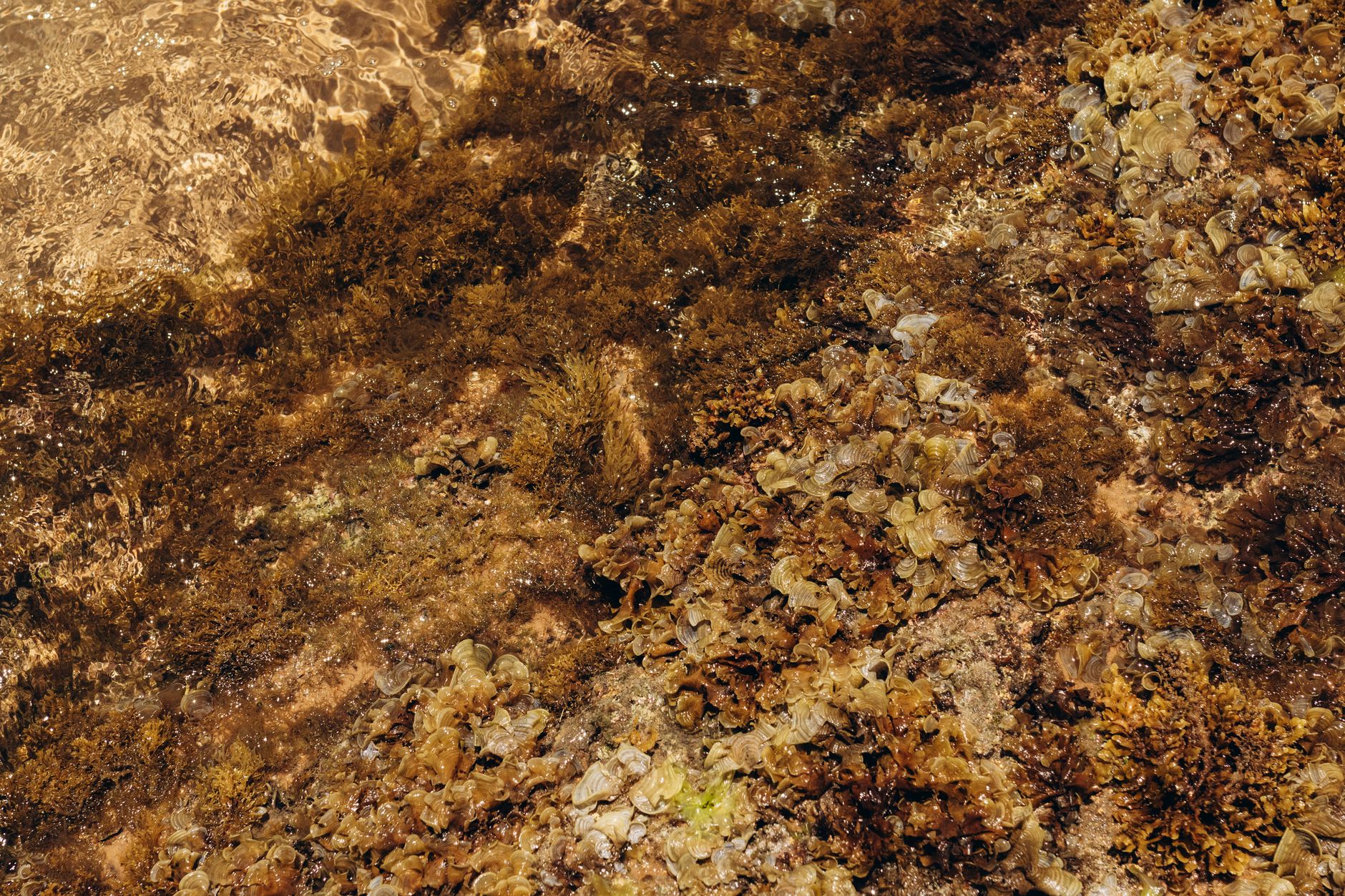
Dead Algae in Pool: Clear Water After Shock Fast

After shock or algaecide kills the bloom, the water is often left with a layer of debris and residue. You may see gray dust, a green haze, or grit on the floor and walls, and the water can still look rough until you remove it.
You need to clear the residue, protect the pool filter, and reset free chlorine and pH so the pool clears without dragging out cleanup.
Dead Algae Left Behind After Treatment
Once the bloom dies, the residue does not vanish on its own. Dead algae is leftover biomass, and chemistry alone cannot make it disappear, which matches UC ANR guidance on brushing, filtering, and vacuuming it out.
You may notice a fine dust, a gray-green film, or a dull layer on steps and seams. That material settles fast in still water, and it can also stay suspended long enough to make the pool look worse after shock than before.
Two things matter here. Killing algae and removing it are separate jobs. Visible debris means you still have cleanup left, not a stronger-kill problem.
What the residue looks like
A light green film on the floor often means the bloom broke apart and started settling. Mustard-colored dust usually clings to shaded walls, while black spots can point to anchored growth or staining instead of loose debris.
That split helps you choose the next move. Dusty residue needs removal, while stubborn dark marks need more brushing and longer sanitizer contact.
Why dead material still clouds water
The particles are small enough to hang in the water column. Penn State Extension notes that dead algae can keep water cloudy until filtration, vacuuming, or clarification removes the load.
That is why a pool can stay ugly after a successful shock. The water is no longer full of living algae, but it still carries suspended debris that the system has not captured yet.
Common leftovers you may mistake for algae
- Pollen dust: Yellow or tan powder that blows in after wind or a storm.
- Dirt silt: Brown grit that settles fast and clouds less with brushing.
- Mustard residue: A dull yellow coat that clings to shaded walls and steps.
- Leaf ash: Dark flakes from organic debris that broke apart in the water.
That distinction matters before you scrub hard or add more chlorine. Once you know the residue type, the next step is reading the water itself.
Once you can identify the residue, you can judge the water itself with much less guesswork.
Reading the Water Before You Start Cleaning
A quick test strip and a visual check can save you from stirring up the wrong problem. CDC healthy swimming guidance ties cloudy water, debris, and poor sanitation together, so you want to know whether the pool needs chemistry correction, surface cleaning, or both.
Look at corners, seams, steps, behind ladders, skimmer throats, and any shaded wall. Algae likes low-flow spots, and dead material settles there after treatment, especially where circulation never reached well.
Check the residue type and the color pattern
Green haze points to suspended material, while mustard color on shaded areas often means clingy residue. Dirt drops faster and leaves the water clearer between brushings, which helps separate it from decayed algae.
That color clue saves time. A pool still green after algae treatment does not always need more shock; it may need better circulation and physical removal.
Test sanitizer and pH before brushing
Low free chlorine can let remaining growth rebound while you work. High pH can slow chlorine activity, so the cleanup drags even after the algae is dead.
Pool & Hot Tub Alliance operator guidance puts free chlorine, pH, and circulation ahead of brute-force cleaning. That order matters because brushing a weakly sanitized pool can spread residue into fresh trouble.
Use a simple inspection checklist
- Water clarity: Look for haze, dull color, or settling dust.
- Skimmer basket: Check for clumps that can return to the water.
- Filter pressure: Watch for a quick rise, which signals fine debris load.
- Shaded surfaces: Inspect steps, seams, and ladder rails for clingy residue.
- Sanitizer level: Confirm free chlorine and pH before adding more work.
Once the water reads clean enough for handling, the real cleanup begins with brushing and the right vacuum path.
A clear reading of the water sets up the first physical pass with brush and vacuum.
Brushing, Vacuuming, and Choosing the Right Path
A pool brush pulls loose material out of tiny surface creases that sanitizer never reaches on its own. Texas A&M AgriLife Extension advises brushing after the bloom is dead, then removing the loosened debris before it settles back into corners.
Use firm strokes on walls, steps, behind fittings, and the floor seam. That action breaks up mats, exposes trapped residue, and keeps your filter from carrying a heavier load than it should.
Brush every surface that holds residue
Start with the wall line, then move to the floor, then the steps. A nylon brush suits vinyl and fiberglass, while plaster can take a stiffer brush without as much risk.
Pay extra attention to ladders, skimmer baskets, return fittings, light niches, and automatic cleaner parts. Those pieces hide algae and can seed the pool again after the main water looks better.
Choose vacuum to filter or vacuum to waste
When the debris load is heavy, vacuum to waste usually makes the most sense. You send the dirty water out of the pool instead of pushing it through a filter that can clog in minutes.
Vacuum through the filter fits lighter cleanup after the biggest clumps are gone. Dead algae in pool water can be fine enough to slip through a strained system, so the filter choice depends on how much load you see on the floor.
Tip: Start with brushing, then vacuum a small test area. A quick pressure spike tells you the filter path is too heavy, and that is your cue to switch to waste.
A practical cleanup order
- Brush the walls: Loosen residue from seams, corners, and steps.
- Run circulation: Keep water moving so debris heads toward the skimmer.
- Vacuum the floor: Remove settled material before it breaks apart again.
- Check the filter: Watch pressure and flow during the run.
- Repeat the pass: Return to spots that shed more dust after the first round.
Kill the bloom first, then remove the biomass. Skipping the removal step leaves cloudiness behind, and that is where the filter starts to matter.
That removal step protects the filter, because lingering debris can turn cleanup into a second problem.
Keeping the Filter from Becoming the Problem
Dead algae can load a filter fast enough to choke circulation. UF/IFAS Extension and Pentair both point to the same pattern: pressure rises, flow falls, and the cleanup slows because the filter has become the bottleneck.
That is why you watch pressure gauges during the whole process. A filter that cannot move water cannot clear suspended debris, no matter how long the pump runs.
Backwash or clean as pressure climbs
Sand and DE filters need backwashing when pressure rises or flow drops. Cartridge filters need rinsing or full cleaning when the pleats cake over with fine debris.
Hayward Pool Products notes that filters are built to trap particles, not hold unlimited load. Once the media packs up, the system needs a reset before the water can clear again.
Pause when the filter is overloaded
A clogged filter can send dirty water back through weak circulation paths. Clean it, reset the gauge, and resume only after flow returns to normal.
That pause protects the pump and keeps you from chasing cloudiness with more chemistry. The main issue is mechanical removal, not a lack of pool shock.
What each filter type does with dead algae
| Filter type | What you see | What you do |
|---|---|---|
| Sand | Slower clearing, rising pressure | Backwash, then resume circulation |
| Cartridge | Flow drops fast, pleats load up | Rinse or deep-clean the cartridge |
| DE | Fine clarity, but pressure climbs quickly | Backwash and recharge the grid |
That table shows why the same residue clears at different speeds. Once the filter is under control, the next question is why the water can still look bad even after the algae is dead.
Even after the bloom dies, trapped particles can keep the water hazy until circulation catches up.
Why Cloudy Water Lingers After the Bloom Is Dead
Tiny particles can stay suspended long after the living cells are gone, leaving the water cloudy. CDC and Penn State Extension both point to the same mechanism: the pool can hold dead debris, oxidized organics, and fine solids that need time and filtration to leave the water.
Warm water, weak sanitizer levels, and poor flow make the haze hang around longer. Those same conditions also give a surviving patch room to regrow before cleanup finishes.
Suspended particles move slower than you expect
A particle smaller than a grain of sand can stay in motion for hours in a poorly mixed pool. Still water lets it settle; active return flow keeps it floating and visible.
That is why the pump schedule matters. A short run time can keep the cloud in place even after the bloom is dead.
Filtration trouble is the usual reason haze remains
Persistent cloudiness usually points to flow, loading, or circulation problems. It is less about living algae at that stage and more about a system that has not caught the fine stuff yet.
Pool & Hot Tub Alliance materials also point to clarifier or flocculant in some cases, but those only help when the filter can finish the job. Without good circulation, even the best chemistry leaves the water dull.
Good chemistry helps, but clarity only lasts when circulation and filtration support it.
Warning: More chlorine does not fix every cloudy pool. Once the bloom is dead, extra sanitizer can waste time while the real problem sits in the filter and plumbing.
Restoring Balance So the Pool Stays Clear
Clear water depends on chemistry and circulation working together. EPA and CDC pool guidance both connect proper free chlorine, pH, and filtration with stable water after algae treatment.
You want the water back in range before anyone swims. That keeps skin and eyes happier, and it also keeps the cleanup from restarting after one clear afternoon.
Bring chemistry back into range
Check free chlorine, pH, and cyanuric acid before calling the job done. High CYA can blunt chlorine strength, which makes algae control harder than a casual strip reading suggests.
Keep pH in a balanced range so sanitizer works the way it should. High pH reduces chlorine activity and can make water look dull even after the debris load drops.
Keep brushing and running the pump
Resume brushing until no dust settles from the walls or floor. The water should stop dropping gray residue when you stop the pump and let it sit for a few minutes.
That lingering sweep is the sign the cleanup is finished, not just the kill phase. In one backyard pool after a long vacation, the water turned from green to milky gray in a day, then cleared over the next two with continuous circulation and two cartridge cleanings.
Use steady sanitation after the cleanup
Hold sanitizer in range and keep circulation regular so the same bloom does not come back. Poor circulation leaves quiet corners where algae can start again, especially in warm weather.
That is the long game with dead algae in pool water: remove the residue, keep the filter clear, and leave the water balanced enough that regrowth has a hard time returning.
Those habits turn a one-time cleanup into a water balance that is much harder to upset.
What to Remember
The bloom can be dead and the pool can still look rough. Your job after shock is to remove the residue, keep the filter from choking, and bring free chlorine and pH back into range so the water clears and stays clear.
FAQ
Why is my pool still cloudy after the algae is dead?
The water stays cloudy because dead particles are still suspended or sitting in the filter load. A weak circulation pattern, a clogged filter, or fine debris that the system has not caught yet usually explains the haze.
How do you remove dead algae from a pool?
Brush the walls and floor, then vacuum the loosened material through the filter or to waste, depending on how heavy the load is. Clean or backwash the filter during the process so flow stays strong.
Do you need to vacuum dead algae out of a pool?
Yes. Filtration alone can take a long time, and heavy residue can clog the system before the water clears. Vacuuming removes the bulk of the biomass and shortens the cloudy-water stage.
Will filter running alone clear dead algae?
Sometimes it will, but only when the debris load is light and the filter stays clean. Heavy residue, poor circulation, or a packed cartridge can leave the water dull for days.
How long does it take for dead algae to clear from pool water?
Small cleanups can clear in a day or two, while heavy blooms can take several days with repeated brushing and filter cleaning. Pool size, filter type, pump run time, and water balance all change the timeline.
Can dead algae come back to life in pool water?
No, dead cells do not revive. The real risk is surviving algae in hidden spots, which can spread again when sanitizer levels drop or circulation stays weak.