
In pool treatment, one product helps particles clump together while the other removes them from the water. Flocculant gathers tiny suspended particles into heavier clumps, while clarifier helps clear those clumps through settling or filtration. That difference matters when water turbidity spikes overnight.
You can match the treatment to your pool filtration system, your timing, and how fast you need the water back in service. This matters most when cloudiness, algae debris, or a chemistry swing leaves your pump doing more work than it can finish.
The Two Products Fill Very Different Roles
Flocculant starts the cleanup by making fine solids stick together. Clarifier works after that, when those clumps need to be settled out or trapped by filter media.
The flocculant and clarifier difference shows up in speed and effort. One usually needs the pump off and a vacuuming to waste step; the other keeps circulation moving while the filter does the polishing.
EPA treatment materials, USGS water science notes, and Water Environment Federation training all describe the same sequence: aggregation happens before removal. That keeps the chemistry upstream and the clearing step downstream.
What Flocculant Does First
Aluminum sulfate, ferric salts, and polymer flocculants such as polyacrylamide help tiny suspended solids collide and bind. The result is a heavier cluster that settles faster than loose haze.
This is a chemical job, not a filter job. The product changes particle behavior in the water column, but it does not physically scoop solids out by itself.
What Clarifier Does Next
Clarifiers are settling basins, tube settlers, lamella units, or pool additives that support removal after particles have already formed larger groups. Veolia Water Technologies and Alfa Laval both describe clarifiers as separation equipment, not a substitute for coagulation.
In pool care, a product sold as a clarifier usually helps your filter catch fine haze. That is why the label can sound simple while the process behind it still depends on particle size, residence time, and filtration setup.
Once that split is clear, the treatment order makes more sense. Coagulation sets the stage, flocculation builds the floc, and clarification does the removal.
That sequence points directly to the first step, where particles are destabilized before they can clump and settle.
Coagulation Sets The Stage For Settling
Water clears in stages because tiny particles behave like charged magnets. Many stay suspended because they repel each other, so the basin never gets a chance to do its job.
Coagulation changes that surface charge. Flocculation then lets those destabilized particles meet, stick, and grow into settleable clusters.
USGS explains the sequence in plain terms: neutralize the fines, form floc, then let gravity or filtration remove them. That order matters more than the brand on the bottle.
Charge Neutralization Comes Before Growth
Alum, ferric chloride, ferric sulfate, and PolyDADMAC all help reduce the electrical barrier around colloids. Once that barrier drops, the particles stop acting like separate specks of dust and start acting like aggregates.
A jar test shows this shift fast. A small sample can reveal whether a low dose gives tight floc or leaves the water stuck in a gray haze.
Gentle Mixing Builds Larger Floc
Fast mixing breaks chemicals into the water; slow mixing builds structure without shredding it. High-molecular-weight polymers are shear-sensitive, so rough agitation can turn good floc into fragile fragments.
That physics explains a common surprise: clearer water does not always mean better chemistry. A weak, broken floc can settle badly even after the dose looked right.
With the sequence in place, the next choice depends on how bad the cloudiness is and how fast you need the water back in service.
How hard the water is to clean determines whether a faster, heavier-handed approach is worth it.
When Flocculant Makes Sense
Heavy cloudiness calls for a stronger reset. Flocculant fits severe turbidity, storm debris, algae bits, and cases where you need a fast settling job before vacuuming to waste.
The tradeoff is downtime. The water has to sit undisturbed long enough for the floc to drop, and the sludge left on the floor needs removal afterward.
Keep the pump off after dosing a true floc product. Movement keeps the floc suspended and turns clear-settling water into a milky layer again.
Fast Recovery Beats Convenience
That choice makes sense after a major algae cleanup, a dust load from a windy week, or a construction mess near the water. A pool pump can only polish so much when the solids load is high.
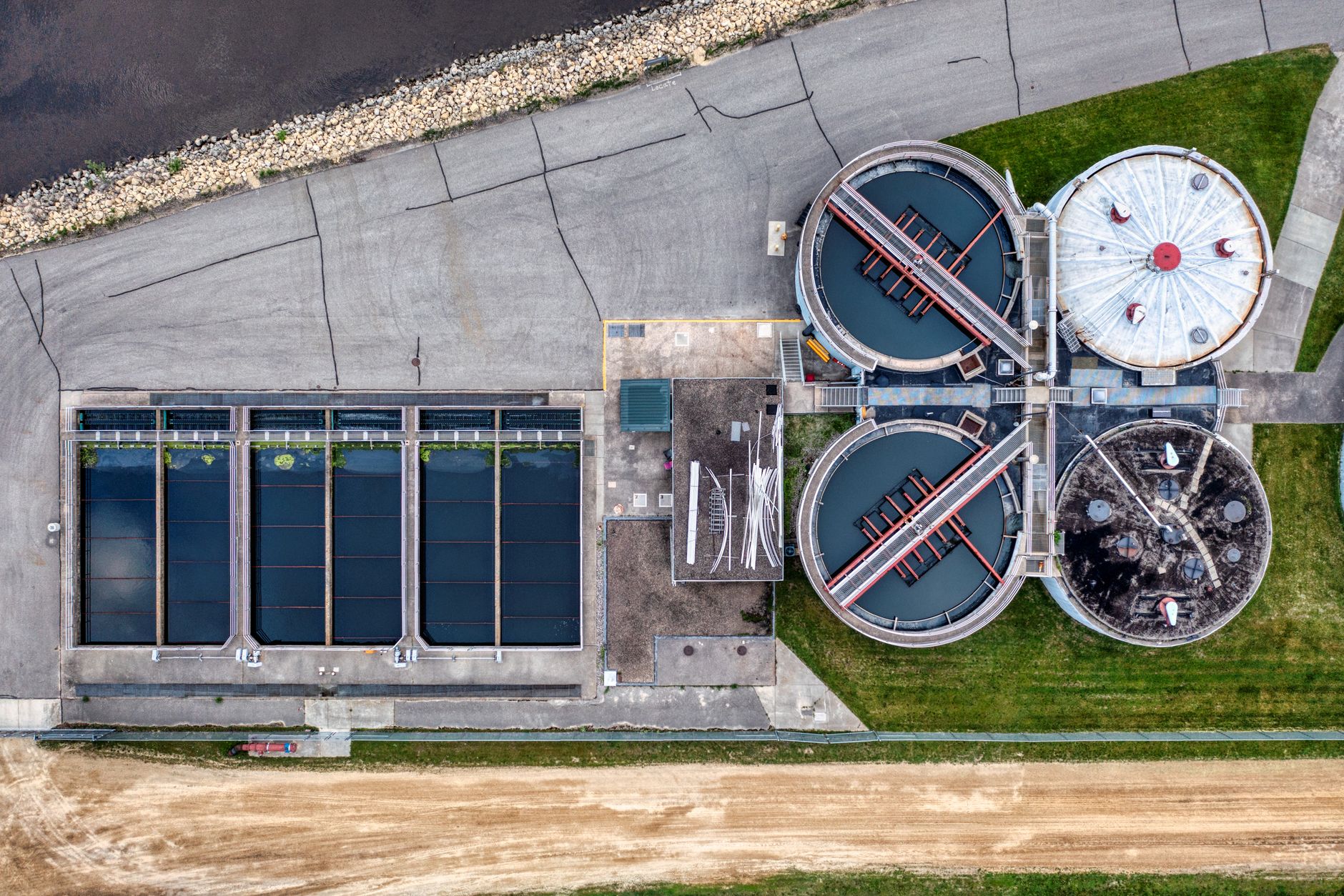
A municipal wastewater plant uses the same logic at a different scale: ferric chloride or alum conditions the water, then the clarifier handles the bulk load. The principle is the same even when the equipment changes.
Precision Matters More Than Volume
Overdosing can make settling worse and increase sludge volume. Excess polymer can restabilize particles, create gummy floc, and foul filter media faster than the haze would have done on its own.
Scientists who study flocculation keep finding the same pattern: dose, charge density, and mixing intensity have to match the solids present. Too much chemistry can work against you.
What The Cleanup Looks Like
- Settle overnight so the floc drops before any vacuum work starts.
- Vacuum to waste so the debris skips the filter and leaves the system sooner.
- Watch the sludge layer so you do not stir it back into suspension.
- Check water balance after refill, since dilution can shift pH and sanitizer levels.
- Backwash afterward only when your sand or DE filter has taken on the load from the cleanup.
That level of cleanup is the price of speed. For milder haze and routine upkeep, clarifier is the calmer path, and the flocculant vs clarifier in water treatment decision gets much easier.
For lighter haze and regular upkeep, the gentler option usually wins on simplicity and control.
Where Clarifier Fits Into Routine Care
Small cloudiness suits a lighter touch. Clarifier helps your filter gather fine solids before they become a bigger problem, so the water clears without a shutdown.
That makes it a better fit for ongoing care, after swimmer load, after a light storm, or after filter performance starts slipping. The effect is slower, but the process stays simpler.
Mild Haze And Filter Support
A pool clarifier product often acts like a coagulant aid. It nudges very fine particles into larger ones that sand, cartridge, or DE media can capture more easily.
That is why the same bottle can look mild and effective at once. The job is not to dump everything to the floor; the job is to make the filter see what it could not catch before.
Routine Use Demands Less Cleanup
No long settling period is needed, and you do not have to vacuum a sludge layer from the floor. The pool pump stays in play while the water polishes through the circulation loop.
That lower-drama path suits weekly maintenance and small haze from dust, sunscreen residue, or fine organics. It also fits a system that still needs to stay open for swimmers.
Clarifier is slower, but it asks less of you afterward. The filter type still changes how well that tradeoff works.
Even a good choice can behave differently once the downstream equipment changes the way solids are captured.
The Filter Type Changes The Decision
Sand, cartridge, and DE filters each handle clarified water in a different way. Their tolerance for solids, backwashing, and shutdown time shapes whether a chemical aid or a settling step makes more sense.
That is where many pool choices go sideways. The same haze can call for a different move depending on filter media, pump run time, and whether you can vacuum to waste.
| Filter type | What it handles well | Cleanup burden |
|---|---|---|
| Sand filter | Holds up well after a clarifier dose and can catch larger floc with normal backwashing. | Moderate, since backwashing clears trapped solids. |
| Cartridge filter | Works well for mild haze and slow polishing, but fine sludge can load it quickly. | Higher, since cartridges need removal and rinsing instead of backwashing. |
| DE filter | Catches very fine solids and gives sharp water polish after proper chemistry. | Higher, since the grid needs cleaning and fresh DE after a heavy load. |
| Vacuum to waste setup | Bypasses the filter during a floc cleanup, which reduces clogging and speeds removal. | Low on the filter, higher on water use. |
Pool filtration system design matters as much as chemistry. Sand can take more abuse from a clarifier cycle, while cartridges reward gentler dosing and DE needs careful solids control.
A flocculant vs clarifier choice also shows up in maintenance. A true floc step can keep a sand bed from choking, while clarifier leaves the filter doing the work it was built to do.
Match the fix to the filter, not just to the cloudiness. A cartridge filter with tight pleats can load up fast after a heavy floc step, while a sand filter can recover faster with backwashing.
Once the filter is part of the decision, the cleanup path gets much clearer.
With filtration accounted for, the cleanup process can be lined up in a more dependable order.
A Practical Sequence For Clear Water
Start with the cause of the cloudiness, not the chemical on the shelf. Fine dust, dead algae, calcium haze, and sunscreen film all behave differently in water.
The sequence is simple: remove the cause, choose the chemistry that matches the particle size, then finish with the right physical cleanup. That order keeps the water from clearing halfway and slipping back into haze.
Match The Problem To The Chemistry
Use coagulation and flocculation when the particles are too fine or too stable to settle on their own. Use clarifier when the haze is mild and the filter can finish the job.
A drinking water plant using aluminum sulfate, a wastewater basin using ferric chloride, and a home pool with a cartridge filter all follow the same logic. The chemistry shifts, but the sequence stays the same.
Finish With Settling, Vacuuming, And Backwashing
Let the water sit after a floc step so the solids can settle. Then vacuum to waste or remove the settled layer without stirring the floor.
Backwash sand or DE media after a heavy load, and rinse cartridges until the trapped solids are out. A pool owner who skips that cleanup often sees the haze return within days because the captured debris never really left the system.
A Simple Decision Path
- Severe cloudiness calls for flocculant and a full settling cycle.
- Mild haze fits clarifier and normal filtration.
- Limited time favors clarifier only when the filter can keep running.
- Vacuum to waste access makes a floc step more practical.
- Cartridge or DE filters need gentler cleanup than a sand bed.
- Return haze points to an upstream water chemistry issue or a dirty filter.
That sequence covers the common pool cases and the treatment plant logic behind them. The last piece is knowing what the wrong choice looks like so you can fix it fast.
That practical sequence leads straight to the warning signs that reveal when the wrong treatment has been used.
Final Look
Flocculant clears the worst cloudiness by making tiny solids heavy enough to settle. Clarifier works as the gentler choice for haze, helping your filter do the cleanup without a long shutdown. The right pick depends on particle size, urgency, and what your filter can handle without choking.
FAQ
What is the difference between a flocculant and a clarifier
A flocculant is a chemical aid that brings tiny particles together into larger clumps. A clarifier is the settling or separation step that removes those clumps, or a pool product that helps your filter capture them.
Is flocculant the same as clarifier in water treatment
No. Flocculant changes particle behavior, while clarifier removes the formed particles through settling, filtration, or a clarifying unit. Pool labels can blur the line, but the function stays different.
Do you add flocculant before or after the clarifier
Flocculant comes before clarification. The water needs time to form and settle floc before you vacuum to waste or let the clarifying step remove the solids.
How does flocculation help clarification
Flocculation makes small suspended particles larger and heavier, so gravity can separate them more easily. Clarifiers work better once the solids are big enough to settle fast or get caught by the filter.
What comes first: coagulation, flocculation, or clarification
A rapid mix starts the process, then gentle aggregation follows, and the final settling stage comes last. That order turns stable fines into settleable floc and then removes it from the water.
Which filter type works best with clarifier
Sand filters handle clarifier well because backwashing clears trapped solids easily. Cartridge and DE systems can work too, but they need more manual cleanup after the water clears.