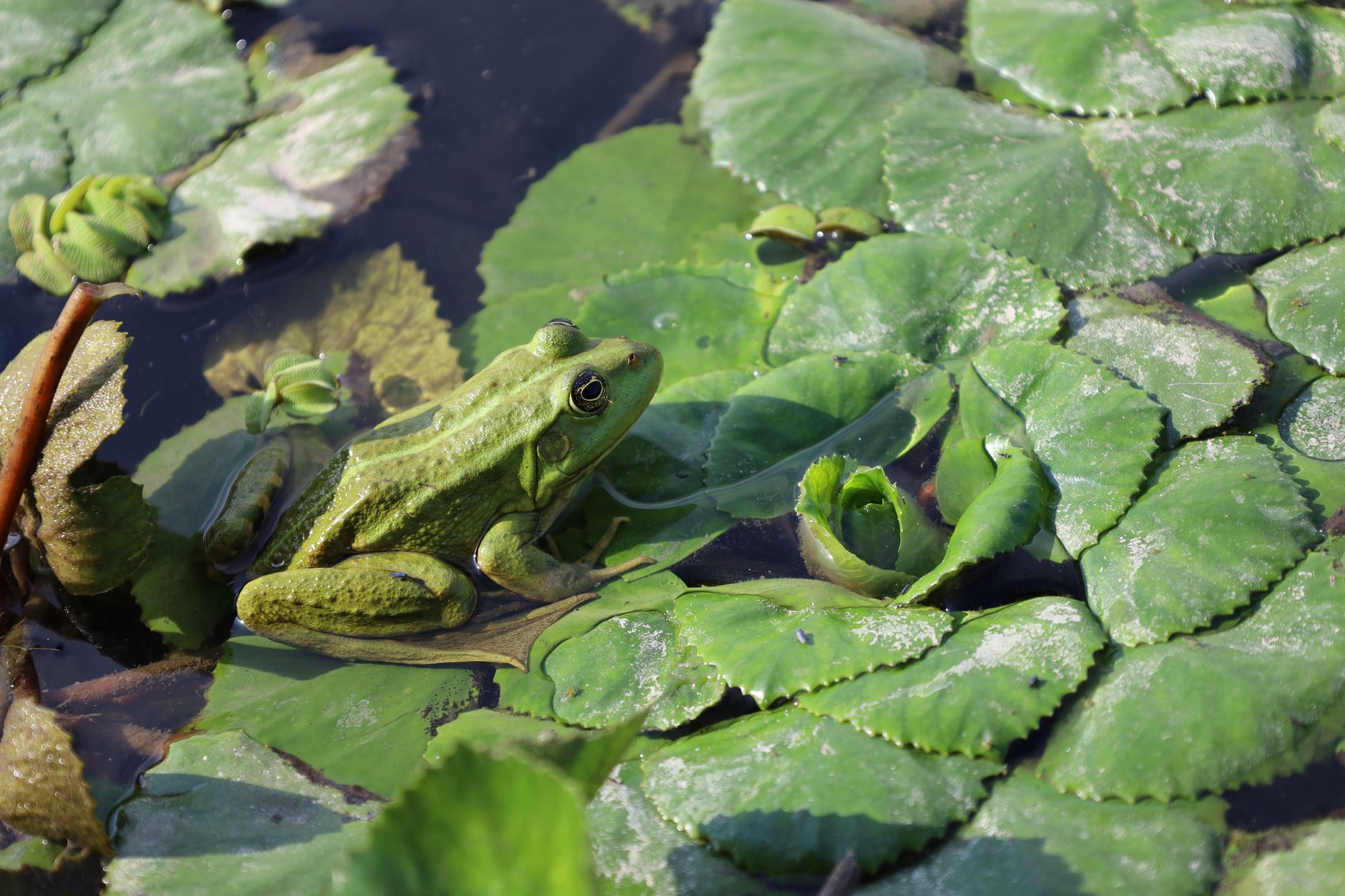

Moist yards with nearby insects and shaded corners often draw frogs in, while smooth pool walls keep them from climbing out. A porch light, wet mulch, or a nearby pond can turn your pool into a dead-end basin overnight.
You can remove frogs safely, clean the water, and make the yard less inviting without harming wildlife. This helps if you manage a family pool, care about backyard wildlife, or want fewer nighttime surprises.
Why Pools Attract Frogs In The First Place
That late-night draw starts with water, cover, and food. A pool edge near shrubs or stacked gear can look like usable habitat, especially after dark.
The water itself is often fine. Frogs follow moisture and prey, so the insects circling your lights matter as much as the waterline.
Moisture And Shelter Draw Amphibians Near Water
Frogs need damp skin to breathe well, and hot, dry air can stress them fast. A shaded deck with mulch, rocks, or pool equipment gives them a cooler place to hide than open grass.
University of Florida IFAS Extension and Cornell Extension both point to the same pattern: moisture, insect food, and cover bring frogs close to homes. The pool is only one piece of that setup.
Night Lighting Pulls In Insects
Bright fixtures around a pool act like a beacon for moths, beetles, and gnats. Frogs follow the insects, not the bulb.
That creates a simple chain: light attracts insects, insects attract frogs, and frogs can end up skimming the water line. A pool near a pond, drain, or dense planting bed gets even more visits.
Smooth Pool Walls Trap A Visiting Frog
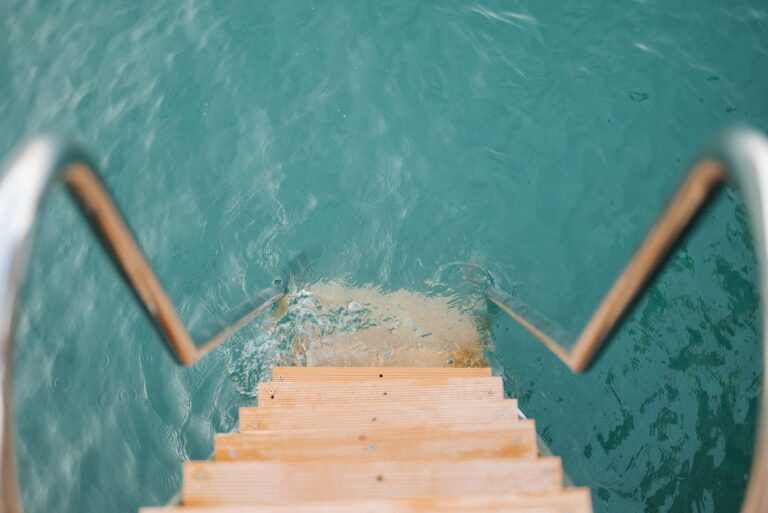
Once a frog drops in, glossy walls and steep liners can turn a short hop into a trap. Steps, ladders, and sloped entries matter because they give the animal an escape route.
Without one, the frog tires out, brushes against chlorine-treated water, and may drown. That is why the problem is access, not just presence, and it leads straight to removal.
Once you see that pattern, safe frog removal from pool water becomes easier to handle, and the next move is keeping the rescue gentle.
That pattern makes a gentle rescue much easier, especially when the goal is getting the frog back safely.
Safe Ways To Get A Frog Out Without Harm
A pool net and slow hands solve most cases in under a minute. The goal is a clean lift-out, not a grab, squeeze, or chase across the deck.
Handling matters because amphibian skin is thin and permeable. Smithsonian wildlife education stresses that dry hands, soap residue, and rough contact can stress a frog fast.
Use A Net For Live Frogs
- Slow the pool flow. Turn off the pump for a moment so the frog does not get pushed toward the skimmer.
- Slide from below. Move the net under the frog, not over it, so it stays calm.
- Lift with one motion. Raise the net in a smooth arc and keep it close to the water line.
- Release near cover. Place the frog in damp shade near shrubs, leaf litter, or other suitable habitat.
A soft mesh net works better than a rigid scoop because it bends around the animal instead of pinning it. That small change lowers the chance of bruising or torn webbing.
Use Gloved Hands Only For Tiny Frogs
Very small tree frogs can slip through a net and cling to tile. Nitrile or powder-free gloves can help, but only a light touch should be used.
Do not pinch. A quick lift into a clean container lined with a damp paper towel works better than trying to hold the frog in your palm.
Add A Frog-Safe Exit Ramp For Repeat Visits
A frog-safe pool exit ramp gives trapped amphibians a way out on their own. It matters most for pools with nightly visitors, long walls, or a cover that creates a slippery edge.
Ramps or floating escape devices should sit where a frog can reach them from the waterline. That extra route often cuts rescues, and it sets up the next step: cleaning up after contact with treated water.
Extra access from the waterline reduces scrambling, and after contact with treated water, a careful cleanup matters.
Keep your hands clean and dry before handling a frog, then skip soap until after the release. Amphibian skin absorbs residue fast, so even a little sunscreen or lotion can sting.
What To Do After A Frog Has Been In The Water
Chlorine and bromine can irritate amphibian skin, so a frog in treated water needs quick removal. The pool also needs a fast check for residue, insects, or cloudiness that can follow an animal entry.
CDC pool guidance and University of Florida IFAS Extension both point to the same pool-care habit: restore circulation, test sanitizer, and clear organic matter before anyone swims.
Check Water Quality And Circulation
Start with sanitizer and pH. A frog adds organic material, and that can nudge chlorine demand upward while the filter works harder.
Skim the surface, brush the tile line, and empty the skimmer basket. Then inspect the pump basket and filter for leaves, insect husks, or other debris that may have entered with the animal.
Handle A Dead Frog With Care
A dead frog should come out with a net or gloved hand, then the area should be rinsed and brushed. Use normal pool maintenance steps after that, including a chemistry check and a look at the waterline.
Dead tissue can affect clarity and sanitizer demand, and a trapped animal can leave residue in the skimmer or pump strainer. That cleanup is practical pool care, not panic.
Watch For Chemical Stress In Small Water Volumes
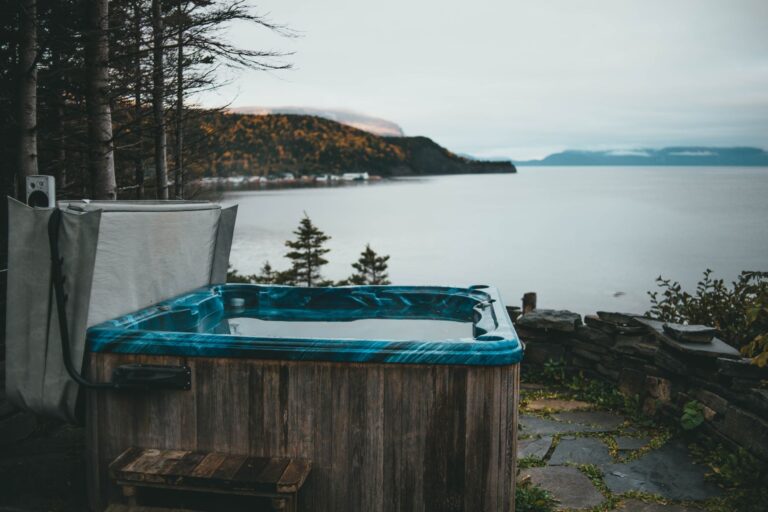
Spas and small plunge pools create a tougher setting than a large pool because bromine or chlorine concentration can rise faster. A little water has less room to buffer an animal entry.
That means a frog in a spa needs faster removal than a frog in a large swimming pool. Once the water is back in range, the real question becomes why the animal keeps showing up.
Once the water is balanced again, repeated visits point to something in the yard drawing them there.
What Frog Visits Say About Your Yard, Not Just Your Pool
Repeated frog visits point to habitat, not bad water. University of Minnesota Extension and USGS both connect amphibian presence with moisture, insect prey, and shelter around the property.
So frogs in pool water often signal an edge issue in the yard, not a sanitizer problem. The pond, drainage line, mulch bed, or stacked gear beside the coping may be the real draw.
Standing Water And Dense Cover Create Access
Puddles, clogged drains, low spots, and damp mulch keep the ground frog-friendly. Add a shrub line or a pile of yard clutter, and the pool edge becomes easier to reach.
A clean deck helps less than you might expect. Frogs move through the yard like tiny night travelers, following shelter and moisture from one stop to the next.
Insects And Shelter Tell The Bigger Story
A yard that supports moths, crickets, and beetles also feeds frogs. That is why a pool near bright lights or thick planting beds can see more traffic after dark.
Cornell Wildlife and the Humane Society both frame frog presence as a sign of available habitat. In other words, the pool is part of a larger food-and-cover chain.
Common Yard Clues Point To The Cause
- Wet mulch beds. They hold moisture and give frogs a cool route toward the coping.
- Clutter near walls. Stored pots, toys, and hose reels create day shelter.
- Bright night lights. They raise insect traffic around the waterline.
- Nearby ditches or ponds. They feed regular movement across the yard.
- Leaky irrigation. It keeps soil damp and draws amphibians in search of cover.
That pattern explains why reducing hiding places around the yard works better than treating the pool itself. Once the habitat shifts, the next section covers how to keep frogs out of pool water without harming wildlife.
That clue often says more about the surrounding habitat than the pool itself, which is where prevention starts.
Prevention That Keeps Frogs Out Without Harming Wildlife
Barrier control and habitat cleanup do more than chemical shortcuts. Penn State Extension, UF IFAS Extension, and the Humane Society all point toward the same method: block access, remove attractants, and avoid broad kill-off products.
That approach protects pets, children, and local wildlife while making the pool less inviting. It also fits integrated pest management, which favors site changes before any chemical step.
Block Access At The Pool Edge
Repair gaps in fencing, close openings around screens or lanai doors, and keep a fitted pool cover in place during off-hours. A cover can reduce entry, but it also needs to sit snugly so frogs do not fall onto slack sections.
Pool steps and ladders matter too. A clear escape route can turn a dangerous drop into a short climb out.
Strip Away Moist Shelter Near The Coping
Trim shrubs, pull back groundcover, and move yard clutter away from the pool wall. Dry, open space gives frogs fewer places to hide during the day.
Also clear standing water from buckets, clogged drains, toys, and low spots. Penn State Extension points to these small wet pockets as common frog magnets around homes.
Use Only Registered Products As Directed
EPA guidance is clear: follow the label on any registered product and avoid ad hoc mixtures or homemade sprays. That matters because amphibians absorb substances through their skin and can be hit hard by stray chemistry.
Skip repellent shortcuts and poison claims. They add risk, and they do little to fix the access problem that brings frogs back.
When simple barriers and habitat changes still fail, the problem may need a deeper look from outside.
Take the least disruptive step that fits the yard. A tighter cover or better drainage beats any broad chemical approach, especially where pets, children, or native wildlife share space.
When Persistent Frog Problems Need Outside Help
A frog every few weeks points to a yard issue. A frog every night points to a site problem that may need a pool service pro, drainage work, or site-specific wildlife advice.
USGS and Purdue Extension both tie repeated amphibian presence to habitat and water conditions beyond the pool basin. The pool is a symptom zone, not always the source.
Call A Pool Service Pro For Equipment Checks
A technician can inspect circulation, skimmers, covers, and pump baskets for entry points that keep snagging wildlife. That matters when frogs are ending up in the skimmer or filter instead of just floating on the surface.
They can also flag weak spots in the cover fit or deck setup that let small animals slip through. A quick equipment check often solves the problem faster than repeated rescue calls.
Bring In Wildlife Or Pest Help Only For Site-Specific Advice
Local wildlife guidance becomes useful when frogs keep returning after the pool edge is fixed. That can point to drainage, a nearby pond, or a protected species issue.
Choose the least disruptive fix first. Humane Society guidance favors nonlethal steps, and that is the right direction for yards where pets and wildlife already share the space.
A Short Case From A Backyard With Night Visitors
A pool beside a shrub bed and a motion light pulled in tree frogs after dusk. The owner cut back the shrubs, switched the light angle, and kept a frog-safe exit ramp by the steps.
Within a week, the nightly rescues dropped. The pool still held insects, but the frogs lost the easy route in and the easy route out became a real route out.
With fewer easy entries, the pool became less inviting, and the remaining frogs had far fewer chances to return.
Final Thoughts
The fix starts with access, not blame. When you remove frogs gently, clean the water right away, and trim the habitat that pulls them in, the pool stays safer for both you and the animal.
FAQ
Why are frogs in my pool
A lit backyard and still water can attract frogs after dark, especially when insects gather around the pool. Nearby plants, standing water, and bright lights can make the yard feel like frog habitat, even when the water itself is clean.
How do I get a frog out of a pool safely
Use a soft pool net and move slowly so the frog does not strike the wall or deck. Gloved hands can work for tiny frogs, but a frog-safe pool exit ramp helps recurring visitors leave on their own.
Can chlorine hurt frogs
Yes. Chlorine and bromine can irritate amphibian skin, which is thin and permeable, so a frog should leave treated water quickly. Brief contact is less harmful than long exposure, but prompt removal still matters.
How do I keep frogs out of my pool
Block access with a fitted cover, good fencing, and sealed gaps, then cut back vegetation and standing water nearby. Reduce night lighting near the pool because it attracts insects, and insects pull frogs in.
What should I do if I find frogs in my pool often
Look at the yard before you blame the water. Repeated visits point to moisture, cover, drainage, or a nearby water source, so a pool service check and habitat cleanup often solve more than repeated removal.
What should I do if I find a dead frog in the pool
Remove it with a net or gloves, brush the area, skim debris, and test sanitizer and pH. A dead frog can add organic matter, so the pump, skimmer, and filter also deserve a quick look.