Don't miss our holiday offer - up to 50% OFF!

Pool Heat Pump Sizing: BTUs, Climate, and Covers

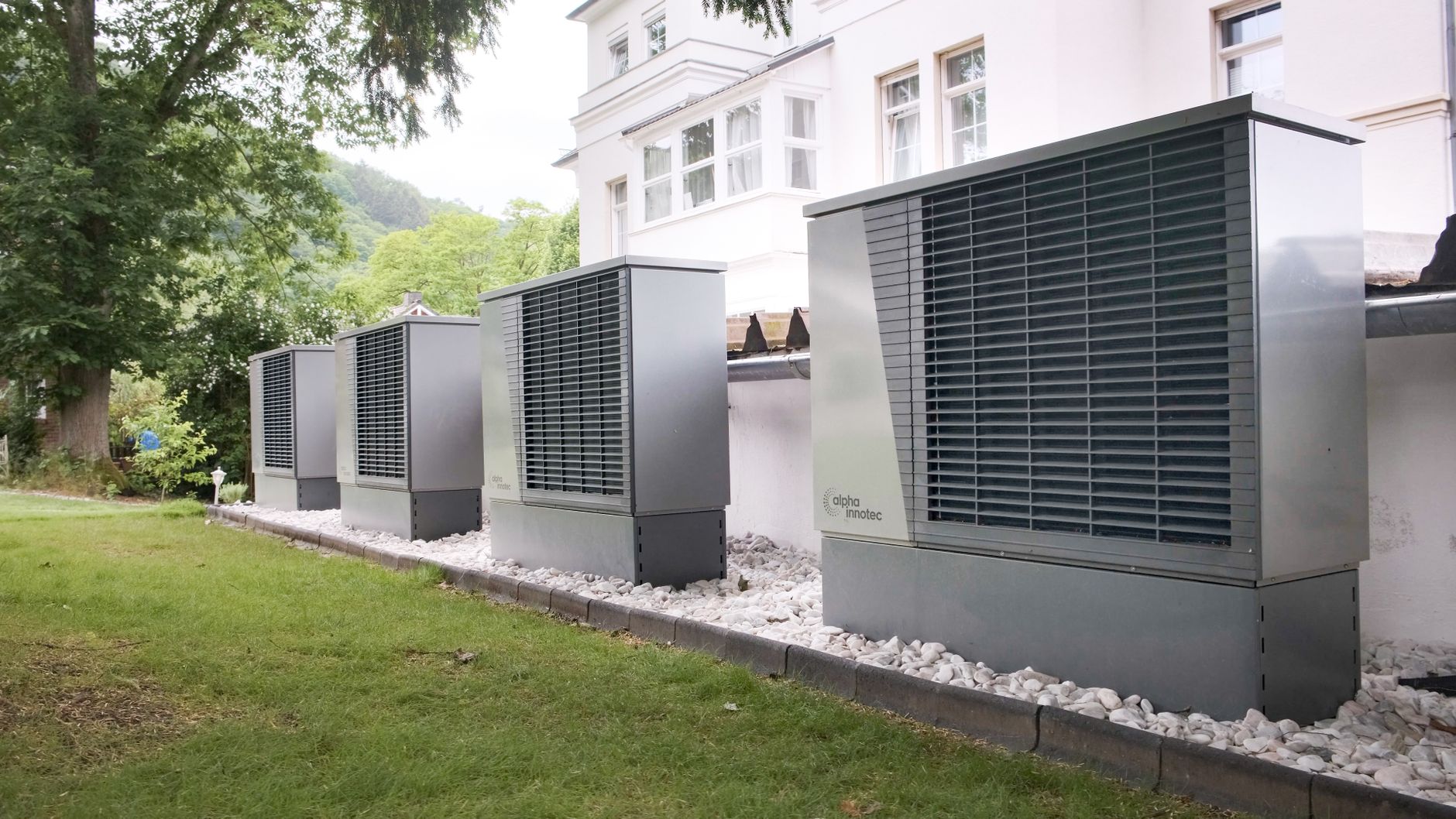
Choosing the right unit means matching heat output to heat loss, not matching gallons to a brochure number. Surface area, climate zone, ambient air temperature, desired water temperature, and pool cover use all shape the load, and a 15,000-gallon pool can need less heat than a smaller, exposed one.
You can judge capacity, read size charts, and decide when a cover changes the answer without getting lost in model numbers or motor labels.
Start With Heat Loss, Not Pool Volume
The water surface loses most of a pool’s heat through evaporation, air movement, and radiation. That is why gallons alone can mislead you; two pools with the same volume can need different output if one sits in wind and the other stays sheltered.
The sizing goal also changes with use. Maintenance heating keeps water near one setpoint through the week, while recovery heating brings a cool pool back to target after several days off. Those are different loads, and the right BTU/h target depends on which one you need.
Why Surface Area Carries More Weight
Surface area sets the size of the exposed water lid, and that lid drives evaporation. A long, shallow pool can lose more heat than a deep, compact one with the same gallon count because more water touches the air.
That is why pool heater sizing by surface area gets closer to real demand than a simple volume rule. The U.S. Department of Energy points to surface area, climate, wind, and cover use as the main factors that shape heater load.
BTU/h Gives You A Common Language
BTU/h is the standard way to compare pool heaters and heat pumps. It tells you how much heat output a unit can add in one hour, which lets you translate pool conditions into usable capacity instead of guessing from horsepower labels.
BTU/h matters because horsepower describes the motor, not the heat delivered to water. A heat pump moves heat from air into water, so the motor size and the output size are not the same thing.
A Quick Decision Rule For The Goal
Use maintenance heating when you keep the pool near one setpoint through the swim season. Use recovery sizing when the pool sits unused for days and must warm back up before the weekend.
That split matters because the second load needs more capacity, more runtime, or both. Once you separate those jobs, the next step is sorting the variables that push the number up or down.
Those jobs depend on a few key variables that can swing the demand sharply in either direction.
The Variables That Change Capacity Needs
Cold air pulls down output fast, and heat pumps lose capacity as the ambient air temperature drops. Below about 50 F, many units deliver less than their warm-weather rating, so the same model that looks adequate in May can feel underpowered in October.
Wind and humidity matter too. Wind strips away the thin warm layer above the water and speeds evaporation, while dry air lets evaporation run harder and carry more heat off the surface. A covered pool changes that math in a hurry, which is why a solar blanket can shift the size decision by a large margin.
Air Temperature Changes Delivered Output
Pool heat pumps are rated under set test conditions, often around warm air and warm water. Real delivered output falls as conditions cool, so a nameplate rating tells you only part of the story.
Hayward Pool Products and Pentair both point to ambient air temperature as a major performance variable. That is not a minor detail; it is the reason a 100,000 BTU/h label does not mean 100,000 BTU/h on a cool, damp evening.
Wind Exposure And Humidity Shift The Load
An exposed deck can add enough evaporation to change the required unit size. Coastal yards, rooftop installs, and open backyards all face the same problem: moving air keeps stripping heat from the water surface.
Humidity changes the evaporative pull as well. Dry air accepts more moisture, so it can pull more heat away from the pool, while damp air slows that process a bit. AquaCal and Hayward both treat wind and humidity as part of the load, not side details.
Pool Covers Cut Heat Loss Materially
A cover reduces evaporation, which is the largest heat-loss path for an outdoor pool. The U.S. Department of Energy says covers can reduce heating demand enough to change heater sizing, and that lines up with field experience from installers.
That means a covered pool can often use a smaller unit or a shorter runtime window. An uncovered pool, by contrast, asks the heat pump to fight the weather every night, which pushes the BTU need higher.
- Cooler air lowers delivered output and stretches run time.
- Wind exposure increases evaporation and raises the heating load.
- Dry conditions speed evaporation and pull more heat off the surface.
- A pool cover can reduce the required capacity enough to change the model choice.
- Target temperature above swim-room warmth demands more BTU/h.
Once those inputs are clear, you can turn them into a usable range instead of a single guess. That is where a simple sizing method helps.
A quick calculation turns those inputs into a workable BTU range without pretending the number is exact.
A Practical Way To Estimate BTU Range
Start with surface area, then layer in climate, exposure, and target water temperature. That sequence gives you a rough BTU size for pool heat pump selection without pretending the number is exact.
A hot, sheltered pool in Phoenix does not need the same capacity as a windy pool near Boston. The load shifts with the local climate zone, and a pool heat pump capacity calculator only helps when it accounts for that shift instead of treating every pool like a warm, still rectangle.
Use Surface Area As The Base
Measure length and width in feet, then multiply to get surface area. A 15 by 30 foot pool has 450 square feet of exposed water, and that number matters more than gallons for heat loss.
From there, raise the estimate for cooler climates or higher target temperatures. A pool kept at 86 F needs more input than one held at 82 F, even if the gallon count stays the same.
Adjust For Climate, Wind, And Cover Use
Warm inland climates sit near the low end of the range, while cool shoulder-season locations push higher. Wind exposure can add another jump, especially on open decks where air hits the water all day and night.
Here is a practical way to think about it: sheltered and covered pools need the least capacity, exposed and uncovered pools need the most. Online calculators help with a starting number, but they mislead fast when they ignore air temperature, wind, or cover habits.
Translate The Estimate Into A Range
| Pool Situation | Typical BTU/h Range | What Pushes It Higher |
|---|---|---|
| Small covered pool in a warm climate | 50,000 to 90,000 | Higher setpoint, cool nights, longer swim season |
| Mid-size uncovered pool with moderate wind | 90,000 to 120,000 | Open exposure, spring and fall use, fast recovery |
| Large exposed pool in a cooler climate | 120,000 to 140,000+ | Low ambient air, weekend-only use, no cover |
Use the range, not the low end, when you want faster recovery or longer seasonal use. A BTU estimate is a planning tool, and the final product choice should still reflect the local weather pattern and how often you run the unit.
Tip: treat online calculators as a draft. Plug in surface area, target water temperature, average air temperature, wind, and cover use, then sanity-check the result against your climate.
That range becomes more useful once you know how manufacturers present capacity at different test points. The label can look generous until you read the fine print.
Because ratings shift with test conditions, the same unit can look stronger on paper than it performs in practice.
Reading Size Charts Without Getting Misled
Manufacturer charts are tied to specific air and water conditions, so the same model can post one output in warm weather and a much lower one in cool weather. AHRI rating standards exist for this reason: they compare equipment under defined test conditions rather than marketing assumptions.
For pool heat pump sizing, that means nameplate BTU/h is only the starting point. The real question is how much heat the unit still delivers in your air temperature, your humidity, and your season length.
How Ratings Shift With Temperature
Heat pump performance rises as outdoor air warms because the unit has more heat to pull from the atmosphere. As air cools, delivered output falls and runtime climbs, which is why a chart made for summer can flatter a unit that struggles in April.
Energy Saver and university extension materials both point to the same mechanism: the heat pump is moving heat, not making it from scratch. Cooler air gives it less usable heat to move.
Common Size Bands Give You A Sanity Check
| Pool Use Pattern | Size Band | What It Fits |
|---|---|---|
| Short, covered season | 50,000 to 80,000 BTU/h | Smaller, sheltered pools in warm regions |
| Standard residential season | 80,000 to 120,000 BTU/h | Most medium pools with decent cover use |
| Extended season or exposed site | 120,000 to 140,000+ BTU/h | Large pools, windy sites, cooler shoulder months |
These bands are not a substitute for load calculation, but they help you spot nonsense. A tiny covered pool in a warm zone does not need a huge unit, and a large open pool in a cool zone does not belong in the smallest band.
COP Shows Operating Cost, Not Just Size
COP, or coefficient of performance, tells you how much heat comes out for each unit of electric input. A higher COP means better efficiency, but it can fall as air cools, so the number on the spec sheet does not stay fixed through the season.
Pentair and AHRI both use rated conditions to show performance clearly. That matters because a lower price tag can hide a weaker cold-weather output, which leads straight to longer run time and a higher power bill.
Once you can read the chart, the next question is how fast you want the pool warm. Recovery time changes the answer a lot.
That kind of reading reveals how quickly the system can recover after use and how long it must run through the season.
Recovery Time, Runtime, And Seasonal Use
A heat pump is a marathon runner, not a sprinter. It warms water more slowly than a gas heater, so your expectations should match the machine instead of the other way around.
Maintenance heating and recovery heating split the problem in two. One keeps water near target temperature through the week; the other brings a cold pool back after several days off. University of Florida IFAS Extension points out that those two jobs need different sizing logic.
Maintenance Heating Fits Steady Use
Steady use works best in warm climates, with a cover at night and long daily run windows. In that setup, the unit can chip away at heat loss without racing the clock.
That is where heat pump sizing for swimming pools gets friendlier. A smaller unit can succeed as long as it runs long enough each day and the cover stays on after sunset.
Recovery Heating Demands More Capacity
A weekend pool that sits unused from Monday through Thursday needs a different approach. The water cools while the pool is idle, and Friday recovery can take much longer than a simple maintenance top-off.
Florida Solar Energy Center research on pool heating shows the practical split clearly: heat pumps save energy in warm conditions, but they deliver lower heating rates than gas heaters. If you want fast recovery, size for that need or accept a longer lead time.
Season Length And Pool Type Shift The Strategy
Indoor pools lose less heat to weather, so their sizing can be more stable than outdoor pools. Shoulder-season outdoor pools face the hardest job because air temperature drops at night and capacity follows it downward.
Uncovered pools sit at the far end of the range, especially in dry or windy climates. In those cases, the best heat pump size is often the one paired with a cover and a realistic run schedule, not the largest box on the quote.
Here is a concrete example: a 15,000-gallon backyard pool in a mild climate may hold temperature with a mid-size unit and a cover, yet the same pool without a cover can need a much larger model or an extra day of runtime. A weekend swimmer feels that difference right away on Friday afternoon.
That leaves the costliest part of the decision: what goes wrong when the unit is too small or too large.
Sizing errors usually show up as higher bills, weaker comfort, or unnecessary wear on the equipment.
Avoiding The Most Expensive Sizing Mistakes
An undersized unit runs and runs, still misses the target, and leaves the water cooler than you planned. That shows up as weak recovery, long run time, and frustration every time the weather turns cool.
An oversized unit is not a clean fix. It raises equipment cost, can cycle more than necessary, and still cannot erase evaporation, wind, or heat loss from an uncovered surface. The pool keeps losing heat no matter how large the cabinet gets.
What Happens When The Unit Is Too Small
Long runtimes are the first sign. The second is slow recovery after a cold night or a weekend with the cover off.
The third problem is comfort. Water that lands a few degrees below target can keep kids out of the pool and cut the usable season by weeks.
What Happens When The Unit Is Too Large
Upfront cost climbs fast with capacity, and a larger exchanger still needs proper flow and plumbing. A variable-speed circulation pump set too low can starve the heater and cause poor operation even with a strong BTU rating.
Oversizing also does not change the physics of heat loss. A windy, uncovered pool will still shed heat after sunset, so the bigger unit keeps chasing a moving target.
Warning: match the unit to the load and the run window, not to the loudest sales claim. A cover, proper flow, and the right BTU range usually beat raw size.
When DIY Is Enough And When To Call A Pro
A DIY estimate works for a standard backyard pool with known dimensions, a clear climate pattern, and regular cover use. You can get close with surface area, air temperature, and a realistic temperature target.
Bring in a pool professional when the site is windy, the pool is oddly shaped, you want weekend recovery, or the installation has flow limits, spa spillovers, or shoulder-season use. That is the point where pool heat pump sizing turns from a rough estimate into an equipment match.
With those tradeoffs clear, the final choice comes down to matching the equipment to real pool conditions.
Final Thoughts
The right answer starts with heat loss, not gallons. Once you factor in surface area, climate, wind, target temperature, and cover use, the BTU range becomes far easier to pin down, and the wrong model stands out fast.
FAQ
How do I size a heat pump for my pool?
Start with water surface area, then adjust for local air temperature, wind exposure, target water temperature, and cover use. That gives you a BTU range that reflects the real heat loss, not just the pool’s gallon count.
Is pool volume or surface area more important for sizing a pool heat pump?
Surface area matters more because heat leaves through the water surface. Volume still plays a role in warm-up time, but the exposed area drives evaporation and most of the heating load.
What size BTU pool heat pump do I need?
Small covered pools in warm climates often sit in the 50,000 to 90,000 BTU/h range, medium residential pools often land around 80,000 to 120,000, and large exposed pools can need 120,000 BTU/h or more. Your local weather and run time change the answer.
Does a pool cover reduce the size of heat pump I need?
Yes. A cover cuts evaporation, which is the biggest heat-loss path for an outdoor pool, and that can move you into a smaller capacity range or shorten daily runtime.
How does climate affect pool heat pump sizing?
Cooler air lowers delivered output, and wind raises heat loss from the water surface. A mild, sheltered site can use a smaller unit than a windy site with the same pool size and target temperature.
Can a pool heat pump heat the pool quickly, or is it mainly for maintaining temperature?
Heat pumps work best for maintenance heating and slower recovery. They warm water more slowly than gas heaters, so a pool that sits cold for days needs more capacity or more time to reach the target temperature.