Don't miss our holiday offer - up to 50% OFF!

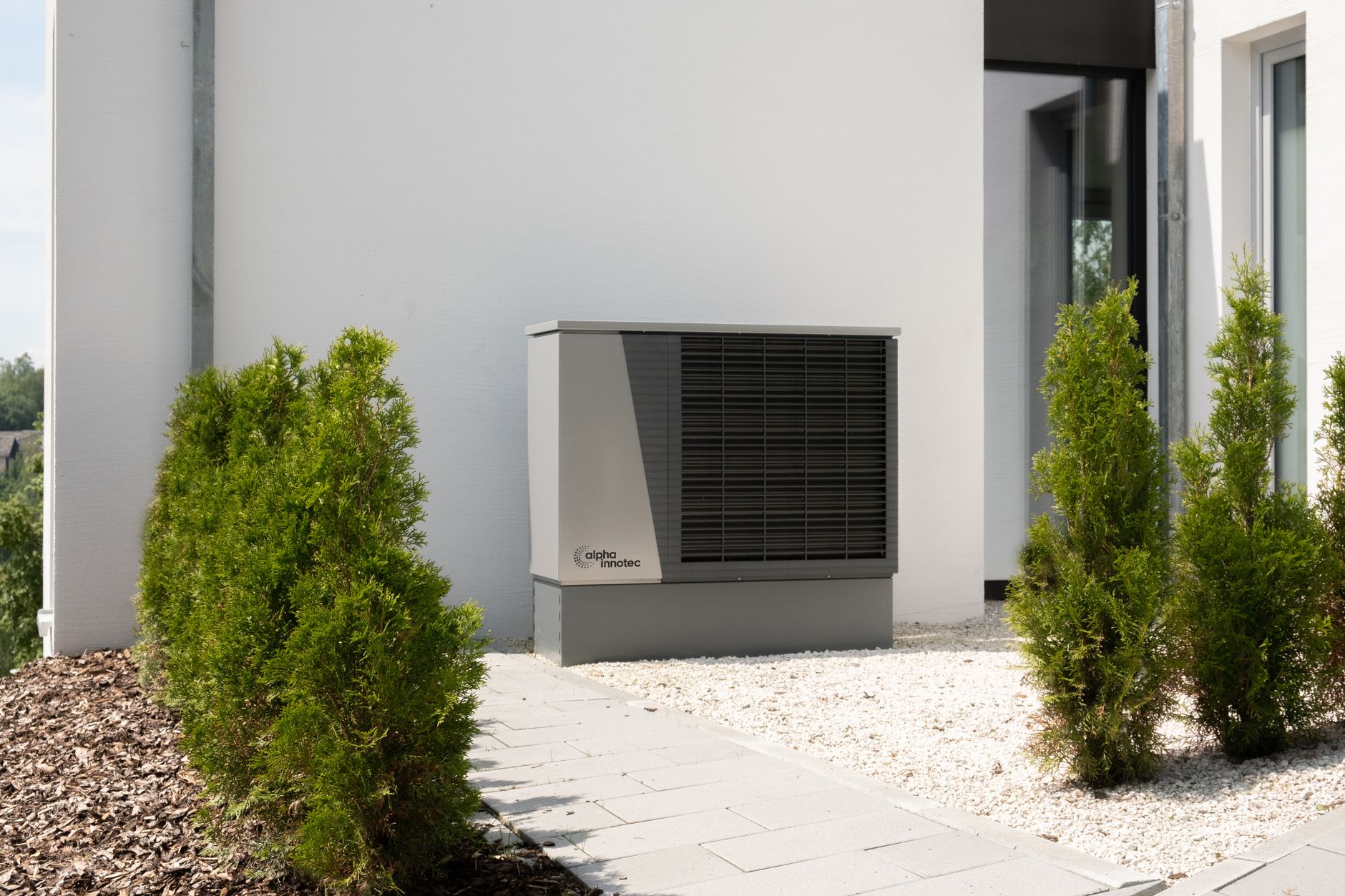
Pool Heater vs Heat Pump: Costs, Speed, Climate Fit

One option heats water quickly while the other keeps operating costs lower over time. A gas pool heater adds heat directly and quickly, while a heat pump pool heater moves heat from outdoor air and usually costs less to run in mild weather.
If you are weighing pool temperature, installation cost, and swim season length, the right answer depends on climate zone, pool size, and how often you use the water. The comparison below keeps the focus on real-world performance, not sales language.
How Pool Heaters And Heat Pumps Differ
A gas pool heater burns natural gas or propane and sends that heat straight into the water. A heat pump pool heater uses a refrigeration cycle, pulls warmth from the air, and transfers it through a titanium heat exchanger.
BTU measures how much heat output a unit can deliver each hour. COP, or Coefficient of Performance, shows how much heat a heat pump moves for each unit of electricity; a COP of 5 means about 5 units of heat out for 1 unit of electric input.
That difference explains the whole pool heater comparison. One system is built for recovery speed, while the other is built for day-to-day energy efficiency. The U.S. Department of Energy treats heat pumps as heat movers, not heat makers, and that distinction shapes both speed and cost.
Heat Transfer Versus Direct Heat
Air-source pool heat pumps do not create heat by combustion. They collect ambient heat, compress it, and send it into the water, which is why warm air and humidity improve performance.
Gas units work more like a furnace for your pool. The burner output reaches the water quickly, so temperature can climb several degrees in a short window.
Why Output And Efficiency Are Different
BTU output tells you how much thermal power reaches the pool. COP tells you how hard the equipment works to get there, which is why a pool heater vs heat pump decision often favors electricity use on warm days and speed on cold starts.
The practical split is simple: BTU tracks speed, while COP tracks operating cost. You care about both, but not for the same swim day.
Rapid Recovery Versus Stable Setpoint
A gas heater is the right tool for a cold pool that needs warmth by evening. A heat pump is the better tool for keeping a set temperature day after day, especially when you use a cover overnight.
SPASA and the Pool and Hot Tub Alliance frame the choice the same way: match heater type to your swim pattern, not to the label on the cabinet. That leads straight into running cost, where the tradeoff gets sharper.
The real split is whether you value a quick warm-up or a cheaper month after month.
The Tradeoff Between Fast Heat And Low Running Cost
Gas equipment wins on warm-up time. Heat pumps win on energy use in the right weather, and that gap is why pool heater running costs can look very different over a full swim season.
The U.S. Department of Energy says gas heaters warm water faster, while heat pumps use less energy when the air stays warm enough for strong heat transfer. ENERGY STAR and NREL describe the same pattern in plain terms: combustion is quicker, heat transfer is leaner.
Fast Warm-Up With Gas
A gas heater can raise water temperature from a cold start in hours instead of days. That matters for spas, weekend use, or any pool that sits unused between swims.
Recovery after heavy use also favors gas. A long pool party, a windy night, or a sharp drop in temperature can leave the water several degrees down, and gas restores it with less waiting.
Lower Energy Use With Heat Pumps
Heat pump pool heater climate suitability starts with ambient air. Warm air gives the unit more heat to move, so the same pool can cost less to heat in Florida than in a cooler inland state.
That efficiency edge is strongest when the pool stays at one target temperature. Daily swimmers who keep the water at 82 to 86 degrees see more value than someone who heats only for a Saturday dip.
Comparison Table For Speed And Cost
| System | Heating Speed | Running Cost Pattern |
|---|---|---|
| Gas pool heater | Raises temperature fast and recovers quickly after use | Higher fuel use during every heating cycle |
| Pool heat pump | Slower warm-up, better for steady holding temperature | Lower electricity use in warm, humid weather |
| Electric resistance heater | Heats directly, but with very high power demand | Highest operating cost in most pool setups |
That table is the core of the pool heater vs heat pump decision. For a pool used several days a week, lower operating cost usually matters more than a quick first heat, because the meter keeps running long after the install crew leaves.
That long tail of energy use makes the purchase price only one part of the equation.
Upfront Price, Installation, And Total Ownership Cost
Sticker price tells only half the story. A gas heater may cost less to buy, while a heat pump may cost less to run, and installation can shift the math in either direction.
Heat pump installs often need adequate electrical service, clear airflow, and room around the cabinet. Gas heaters may need new gas line work, venting clearance, or a larger supply line, especially on longer runs from the meter.
What Changes The Bill
Electrical upgrades can add real expense when the panel lacks spare capacity. Gas line sizing can do the same, because a heater that draws high BTU input needs a line that can deliver fuel without pressure drop.
Hayward educational material points out another cost driver: recovery speed. A larger unit raises purchase price, but oversizing can also push you into extra electrical or gas work that does nothing for the way you swim.
Total Ownership Beats Sticker Price
Purchase price, installation changes, and operating hours all shape the full cost picture Advanced Energy uses. That is the right way to think about it, because a lower purchase price can lose fast to higher monthly fuel use.
Correct sizing matters just as much as fuel type. A heater that is too large for the pool volume, the climate zone, or your cover habits can waste money and short-cycle, which cuts comfort and adds wear.
Cost Table For Ownership Factors
| Cost Factor | Gas Heater | Heat Pump |
|---|---|---|
| Purchase price | Lower entry cost in many cases | Higher entry cost |
| Install work | Gas line or venting can raise labor | Electrical capacity and airflow space can raise labor |
| Operating cost | Higher fuel use over time | Lower electric use in suitable weather |
| Best value pattern | Short, intense heating windows | Frequent use and long swim seasons |
Ownership cost only looks messy until you match the equipment to the pool. Once you do that, the bill starts to make sense, and climate becomes the next filter that can flip the answer.
With costs mapped out, the local weather becomes the factor that can change everything.
Climate Determines What Works Best
Heat pump capacity falls as air temperature drops. In mild weather, the unit stays efficient; in cooler air, it works harder and heats more slowly.
That is why warm, humid regions favor heat pumps so strongly. The U.S. Department of Energy says these units perform best when outdoor air stays above about 50 F, and energy output drops as the air cools.
Warm Regions Favor Heat Pumps
Florida, coastal Texas, and similar climates give a pool heat pump the kind of weather it likes. Mild evenings and high humidity keep COP higher, so the unit can hold pool temperature with lower electric use.
For a long swim season, that steady performance matters more than brute force. A covered pool in a warm climate can stay comfortable with far less energy than a gas-fired system would use across the same months.
Cool Air Favors Gas Heat
Cold weather hits a heat pump on two fronts: less ambient heat and lower transfer efficiency. That is why gas heat becomes the practical choice in cooler inland regions, mountain areas, and shoulder-season use.
Gas also keeps its pace on a chilly morning, while a heat pump can slow down enough that you notice the wait. In cold weather, speed and reliability beat efficiency for many pool owners.
Cold-Weather Expectations Need To Be Realistic
A heat pump can work in mild conditions and still disappoint in cool ones. It does not fail just because the temperature drops; it simply loses capacity and takes longer to reach setpoint.
That detail matters for anyone in the Carolinas, the Midwest, or higher elevations. The same unit that works well in May can struggle in October, which is why location has to come before brand choice.
Cold snaps and thin air can erase performance gains, especially when the season stretches late.
Usage Patterns That Tilt The Decision
Weekend swimmers and daily swimmers live in different heating worlds. That is the cleanest way to separate gas from a pool heat pump choice, because how you use the pool changes the value of speed versus holding temperature.
A solar pool cover changes the calculation too. Evaporation drives a huge share of heat loss, and a cover cuts that loss far more than many owners expect, especially overnight and in wind.
Occasional Use Favors Fast Heat
A pool that sits idle for most of the week rewards a gas heater. You can raise water temperature on demand, use the pool, and let it fall back without paying for constant runtime.
That pattern fits vacation homes, spas, and families that swim only on select days. It also suits short swim seasons where heating needs arrive in bursts rather than every morning.
Regular Use Favors Steady Maintenance
Daily swimmers usually get more value from a heat pump. The water stays near target, recovery needs stay small, and the unit can run during the warm part of the day for better efficiency.
Hayward’s technical material points to the same use case: continuous or extended-season heating in warm climates. That is where low operating cost matters most, because the heater is part of the routine, not a rare helper.
Practical Tips That Cut Heat Loss
- Use a cover nightly to cut evaporation and reduce the load on either system.
- Trim wind exposure with fencing or landscaping, since wind strips heat from the surface fast.
- Set a realistic target so the heater is not chasing a bigger rise than the season allows.
- Match runtime to daylight for a heat pump, since warmer air helps performance.
- Check pool volume before buying, because a larger basin needs more BTU or more hours.
Pool size and desired temperature rise matter as much as habit. A 20,000-gallon pool in April needs a very different setup from a 10,000-gallon pool in July, and that difference sets up the final decision.
Those patterns matter because pool size and timing change how hard the system has to work.
A Practical Way To Match System To Pool
A simple choice rule works well: pick gas for fast recovery and cooler climates, and pick a heat pump for steady heating in warm or mild weather. That single split matches climate, budget, and the speed you need.
The Pool and Hot Tub Alliance, the U.S. Department of Energy, and ENERGY STAR all point to the same pattern. Gas suits quick heating and intermittent use; heat pumps suit frequent use, longer seasons, and lower operating cost when the weather helps.
A Simple Decision Path
- Start with climate and decide whether your local air stays warm enough for good heat pump performance.
- Measure use pattern and separate occasional heating from daily temperature maintenance.
- Check utility rates for electricity and gas, since local prices can change the long-run answer.
- Size the pool and account for cover use, wind, and desired degrees of rise.
- Review installation work so electrical service or gas line changes do not surprise you later.
Three Real-World Fits
A Florida pool with a cover and near-daily use points toward a heat pump. The air stays warm enough for strong efficiency, and the owner gains more from steady maintenance than from rapid reheating.
A weekend spa or a pool in a colder inland climate points toward gas. Quick recovery matters more than low runtime, and cooler air cuts the advantage a heat pump would normally hold.
A homeowner with solar panels and high electricity rates may still favor a heat pump. The economics can shift hard when daytime electric use is offset and the pool stays in regular use.
The best pool heater vs heat pump choice is the one that matches your weather and your swim habit. Once those two pieces line up, the rest of the bill falls into place.
When the numbers and the schedule agree, the best choice becomes much easier to see.
Final Thoughts
A gas heater gives you speed, and a heat pump gives you efficiency in the right climate. The better buy is the one that fits how often you swim, how fast you need warmth, and how much your local air helps or hurts the equipment.
FAQ
What is the difference between a pool heater and a heat pump?
A pool heater usually means a gas heater that burns fuel and sends heat directly into the water. A heat pump moves heat from the air into the pool, so it uses electricity more efficiently but heats more slowly.
Which heats a pool faster, a gas heater or a heat pump?
A gas heater heats faster. It sends heat directly into the water, so it works well for rapid recovery after the pool has cooled or after a long swim session.
Which option costs less to run over time?
A heat pump usually costs less to run in warm or mild weather because it moves heat instead of making it from fuel. A gas heater can still make sense for short, intense heating windows or colder climates where the heat pump loses capacity.
Is a heat pump good for colder climates?
That can work in cool conditions, but the economics weaken as air temperature drops. In colder regions, a gas heater often fits better because it holds its heating speed and does not rely on warm outdoor air.
What size heater or heat pump do I need for my pool?
The right size depends on pool volume, desired temperature rise, cover use, wind exposure, and local climate. A larger pool or a bigger temperature jump needs more BTU, more runtime, or both.
How much does it cost to install a pool heater versus a heat pump?
Installation cost depends on the work already in place. Gas heaters may need gas line or venting changes, while heat pumps may need electrical upgrades, airflow clearance, and enough service capacity.