Don't miss our holiday offer - up to 50% OFF!

Pool Overflowing Rain: What to Do After Heavy Storms

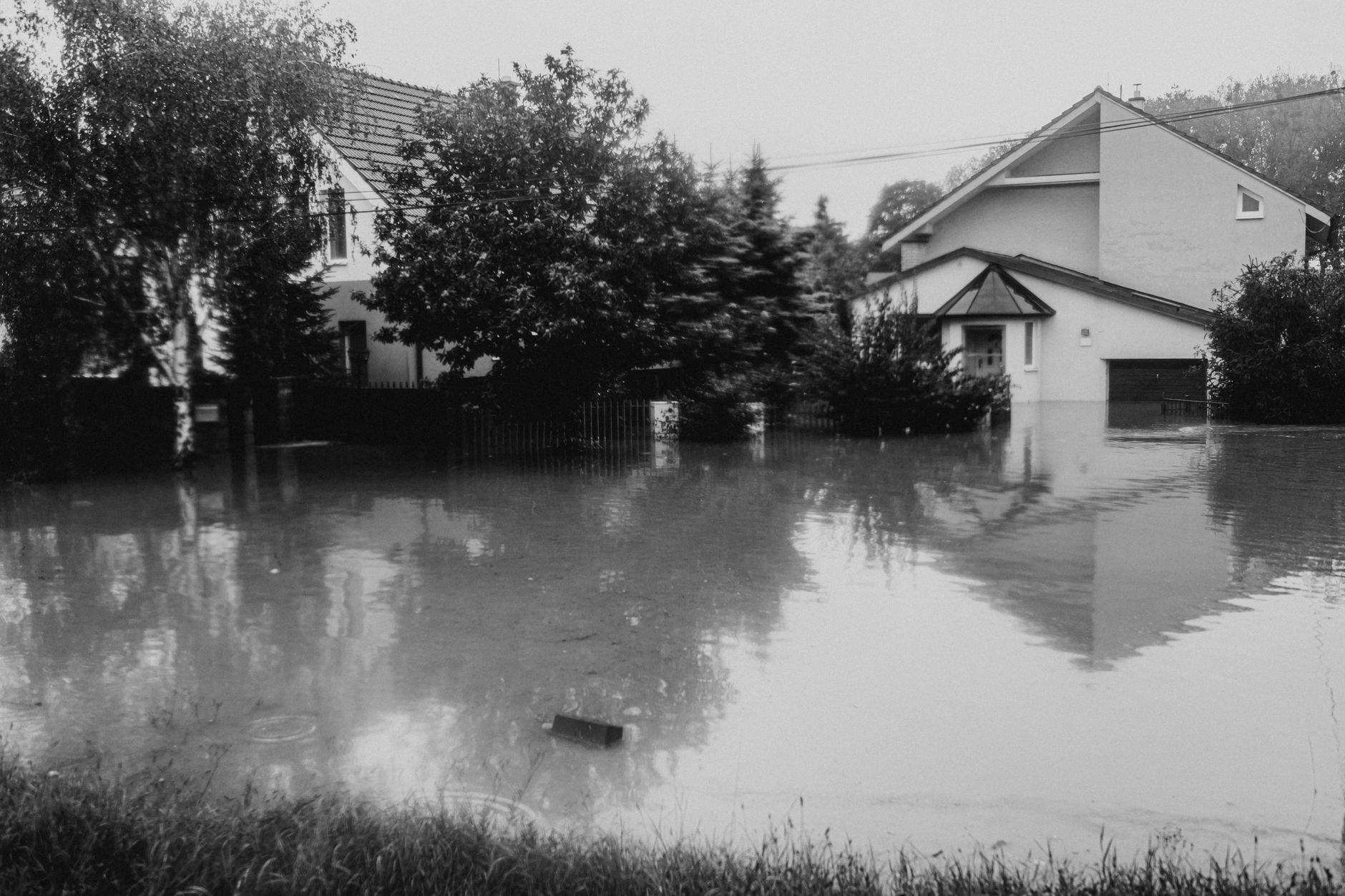
Pool overflowing from rain refers to stormwater rising above the normal waterline until it spills toward the deck, skimmer, or drainage area. Roof runoff, poor grading, clogged drains, and a stuck autofill can push the level past the coping in one hard storm.
If you’re dealing with a wet deck and a high waterline, you need a clear sequence. The focus here is safety, equipment checks, water removal, and the chemistry reset that gets the pool back under control.
Why Heavy Rain Pushes Pools Past Their Limit
Heavy rain adds water faster than the pool can move it through the circulation system. That is why pool overflowing from rain is usually a site-drainage problem as much as a water-level problem.
A storm can also sweep rooftop runoff, patio wash, and yard debris into the basin. EPA stormwater guidance notes the same pattern on hard-surfaced properties: impervious areas send water to the lowest point, and pools are often that point.
PHTA care guidance adds the chemistry side. Rain can dilute free chlorine, shift pH balance, and bring in dirt, pollen, fertilizer residue, and organic load, which raises sanitizer demand fast.
Stormwater routing sets the stage
Downspouts matter as much as rainfall totals. A roof drain that dumps near the pool can send a dirty sheet of water across the deck and into the skimmer throat, even if the shell itself is sound.
Grass, mulch, and soil absorb some rain; concrete and pavers do not. USGS runoff guidance explains that impervious surfaces move water quickly, which is why a hardscape-heavy yard can flood a pool in a single storm cell.
Drainage faults turn rain into overflow
Clogged channel drains, poor site grading, and narrow overflow plumbing are the usual culprits. In many cases, the pool pump is working fine; it simply cannot remove storm inflow as fast as the site adds it.
An automatic fill valve can hide the real issue. The pool looks overfilled after rain, but the valve keeps adding water after the storm passes, so the pool water level never drops back to the midpoint of the skimmer opening.
When the water level keeps rising after the sky clears, shut off the fill source before touching chemicals. A stuck float valve can mimic a drainage failure and keep the pool overfull for days.
A quick shutoff is only the first safeguard before the equipment gets a closer look.
The First 15 Minutes After An Overflow
The first move is to keep people out of the water. CDC overflow guidance treats poor visibility, turbidity, and suspected contamination as a hard stop because stormwater can bring in sewage, runoff, and microbes you cannot see from the deck.
That short window also tells you whether the property is at risk. Look for water creeping toward the home, standing runoff on the patio, and leaves packed into the skimmer basket or channel drain.
Protect people and property
- Stop swimming now. Cloudy water and storm runoff raise infection risk and hide hazards beneath the surface.
- Watch the deck line. Standing water near coping can stain finishes and move toward the foundation.
- Clear visible debris. Skimming out branches and leaves lowers chlorine demand once the water is back in range.
- Check nearby runoff paths. Downspouts, patio slopes, and low spots often point to the source.
Next, inspect the skimmer, pool pump basket, and filter housing before changing anything. A packed basket or a submerged skimmer throat can starve the pump of water and pull air into the system, which makes recovery harder and can damage equipment.
Pool flood events deserve a calm, physical check before a chemical one. The CDC, EPA, and PHTA all place contamination control ahead of reopening, and that order matters because clear water is not the same thing as safe water.
Inspect the circulation path
Look at the pump lid, strainer basket, filter pressure gauge, and visible plumbing. A cracked lid O-ring, a whistling suction line, or a pressure spike after the storm can tell you the system has debris inside it.
Do not restart the system just because the motor sounds fine. Water above the skimmer opening can reduce surface draw, and a pool filter loaded with silt can choke flow even while the pump still runs.
Blocked circulation changes the risk, especially when the water itself starts interfering with the pump.
Running Equipment Safely During And After Storms
A pool pump can run only while it stays fully primed and within safe water levels at the skimmer. That protects circulation without pulling air, running dry, or exposing electrical parts to storm damage.
MAHC guidance places circulation, sanitizer testing, and pH monitoring at the center of weather recovery. That sequence is practical: keep water moving only when the system can handle it, then verify chemistry once the storm load starts to settle.
Use circulation only under safe conditions
Leave the pump off until the water sits high enough to feed the skimmer without air gaps. A pump that gulps air can lose prime, chatter, and add heat to parts that were already stressed by debris and silt.
Storms can also bring electrical risk. CPSC and NFPA pool safety guidance focus on bonding, GFCI protection, and storm inspection because damaged cords, wet outlets, and flooded equipment pads can create shock hazards long after the rain ends.
Backwash or clean when flow drops
Once debris load drops, backwash the filter or clean the cartridge if flow slows or pressure climbs. Silt, pollen, and leaf fragments can settle into sand, cartridge, or DE media and make the filter work like a clogged screen.
Dirty water raises chlorine demand because organics consume sanitizer quickly. Clearing debris first makes every later chemical adjustment work faster and with less overshoot.
Do not restore full circulation through a wet, damaged, or flood-affected outlet. A qualified electrician should inspect the area before pumps, heaters, or timers go back online.
Follow recovery priorities in order
Run water only after the system is sound, then test sanitizer and pH. MAHC-style recovery puts those checks ahead of reopening because stormwater can dilute disinfectant and swing acidity at the same time.
That order matters in practice. Chlorine works best in a narrow pH band, and poor pH can weaken the sanitizer even when the test strip still shows some residual chlorine.
That chemical balance matters just as much while the water level is still being corrected.
Lowering The Water Level Without Making Things Worse
Use a slow, controlled drop, not a sudden drain. The goal is to bring the water back below the coping and into the normal skimmer range without uncovering equipment or stressing the shell.
EPA pool maintenance guidance and extension-style pool care resources point to the same rule: lower the level only enough to restore skimming and circulation. In-ground pools in wet climates face a real structural risk if you drain too far and groundwater pressure rises under the shell.
Drain only the excess
A practical target is the middle of the skimmer opening. That level lets the surface skim properly without leaving the pump starved or the waterline so high that debris slides over the deck.
Use the waste line, backwash line, or pump drain path only at a measured pace. A sudden dump can erode soil near the pool, flood a planted bed, or push water back toward the house instead of away from it.
Keep discharge pointed away from the site
Route water to a sanitary sewer only where local rules allow it, or to a drainage point that can accept the volume safely. Storm drains often lead directly to waterways, so sending chlorinated or dirty pool water there can create another problem.
A pool that sits below a hillside or at the end of a downspout line needs extra care. The outflow should not run under the deck, into a neighbor’s yard, or toward a foundation wall where it can pool again.
Confirm the overflow path actually works
Check the pool overflow drain, deck drain, and any French drain at the same time. If water backs up in the line or returns from a low spot, the overflow path is blocked or undersized and the storm problem will repeat.
One common case: a pool fills during a thunderstorm because the patio slopes toward it and the channel drain is packed with oak leaves. Clearing the drain and fixing the grade solves more than the pool water level alone.
Once the level is under control, the debris left behind becomes the bigger problem.
Cleaning Up Stormwater Contamination
Once the level is under control, remove leaves, dirt, and grit right away. Stormwater can carry oils, fertilizer residue, animal waste, and other material that drives turbidity and pushes sanitizer demand upward.
EPA and CDC materials treat pool water contaminated by rain seriously after overflow events. It is not just diluted water; it can hold pathogens and fine debris that cling to surfaces and cloud the basin.
Remove debris before anything else
Skim the surface, empty baskets, and vacuum settled dirt once circulation is stable. The water clears faster when the filter is not asked to process a thick mat of leaves and mud at the same time.
In vinyl-liner pools, leftover organic debris can stain the liner edge and bead track. In plaster pools, grit left along the waterline can wear the finish and leave a ring that takes more work to remove later.
Keep the pool closed until clarity returns
Close the pool until the water is clear enough to inspect the floor and the sanitizer level is back in range. CDC recreational water guidance treats cloudy water and suspected contamination as reasons to stay out until cleanup and disinfection are complete.
That closure protects more than bathers. It gives circulation time to work through the debris load without adding another batch of skin oils, sunscreen, and body soil.
That cleanup phase sets up the chemistry work that follows.
Rebalancing Chlorine And pH After Rain
A quick test after storm cleanup often shows diluted sanitizer and a slight pH drop, so water balance starts with numbers rather than guesswork. Taylor Technologies and Penn State Extension both point to the same chemistry pattern: rainwater often brings lower alkalinity and lower chlorine residual with it.
Test free chlorine, pH, and alkalinity as soon as the water is mixed enough to sample accurately. Then bring sanitizer back into range before fine-tuning pH, because sanitizer performance depends on that order.
| Test | Why Rain Changes It | What You Do |
|---|---|---|
| Free chlorine | Rain and debris dilute residual sanitizer | Raise it to the target range before reopening |
| pH | Fresh rain is often slightly acidic | Adjust after sanitizer is back in range |
| Total alkalinity | Stormwater can weaken buffering | Correct it so pH holds steady |
| Cyanuric acid | Large inflows can dilute stabilizer | Retest before assuming the pool still protects chlorine |
The chemistry order matters because chlorine works poorly outside a stable pH band. A pool can show a decent sanitizer number on paper and still feel out of control in practice if the pH is too low or too high.
Retest after circulation has mixed the water for several hours. That sample tells you whether the pool water balance after storm cleanup has settled or whether the fresh rain still sits in layers near the skimmer and deep end.
Those readings reveal whether the water is truly recovering or still unstable after the storm.
Do not add chemicals blind after a storm. Test, correct sanitizer, then fine-tune pH and alkalinity so the next reading means something.
Preventing The Next Rain-Driven Overflow
The strongest fix starts outside the shell. Keep drains clear, trim runoff paths, and move roof water away from the pool so the next storm does not repeat the same overflow pattern.
USGS runoff science and EPA stormwater guidance both point to the same property lesson: impervious surfaces speed water toward the low point, so site design matters as much as pool equipment.
Keep the flow path open
Empty skimmer baskets, clean channel drains, and clear overflow lines before storm season. A few ounces of leaves in a drain can slow the water just enough to push it over the coping during a heavy burst.
Inspect the automatic fill valve too. A float that sticks open after a storm can keep topping off the pool and disguise the real cause of the overflow.
Redirect runoff away from the pool
Extend downspouts, correct patio slope, and add a swale, catch basin, or permeable paving where the site allows it. EPA green infrastructure guidance favors slowing and spreading stormwater before it reaches low spots that flood.
That matters most around concrete decks and tight yards. Even a small grading change can shift several hundred gallons of runoff away from the coping during a hard rain.
Bring in a pool professional for repeat overflow
Repeated overflow points to a structural, hydraulic, or drainage issue, not just bad weather. A professional can check for undersized drains, a stuck autofill, a hidden leak, or groundwater pressure around a partially drained shell.
One wet-climate example is common: an in-ground pool is drained too far after a storm, then hydrostatic pressure lifts the shell or shifts the liner edge. That is why how to lower pool water after rain has to include what not to drain.
Because too much drainage can damage the pool, the safest response deserves a broader close.
Final Thoughts
Pool overflow after rain is a water-level problem and a property-risk problem at the same time. Stop use, inspect the site, lower the level only as far as the skimmer needs, then retest chemistry before anyone swims.
The fastest recovery is the one that protects the pool, the deck, and the plumbing in the same pass.
FAQ
Why is my pool overflowing after heavy rain?
Heavy rainfall can add water faster than the pool can shed it through drains or overflow lines. Roof runoff, patio slope, clogged drains, and a stuck autofill valve can all push the level above the skimmer opening.
Is it safe to swim in a pool after rain?
Not until the water is clear, the source of contamination is under control, and sanitizer and pH are back in range. CDC guidance treats turbid water and suspected storm contamination as reasons to stay out.
How do you fix a pool that is too full after rain?
Lower the level gradually to the middle of the skimmer opening, then inspect drains, baskets, and the filter before restarting full circulation. After that, test free chlorine, pH, and alkalinity and correct them in that order.
Can rainwater contaminate pool water?
Yes. Rain can carry dirt, leaves, pollen, oils, fertilizer residue, and microorganisms from roofs, driveways, and other hard surfaces, which can cloud the water and raise sanitizer demand.
Should I drain my pool after a storm?
Only the excess water should come off. Draining too far can expose equipment, worsen circulation, and, in some in-ground pools, create structural risk from groundwater pressure.