Don't miss our holiday offer - up to 50% OFF!

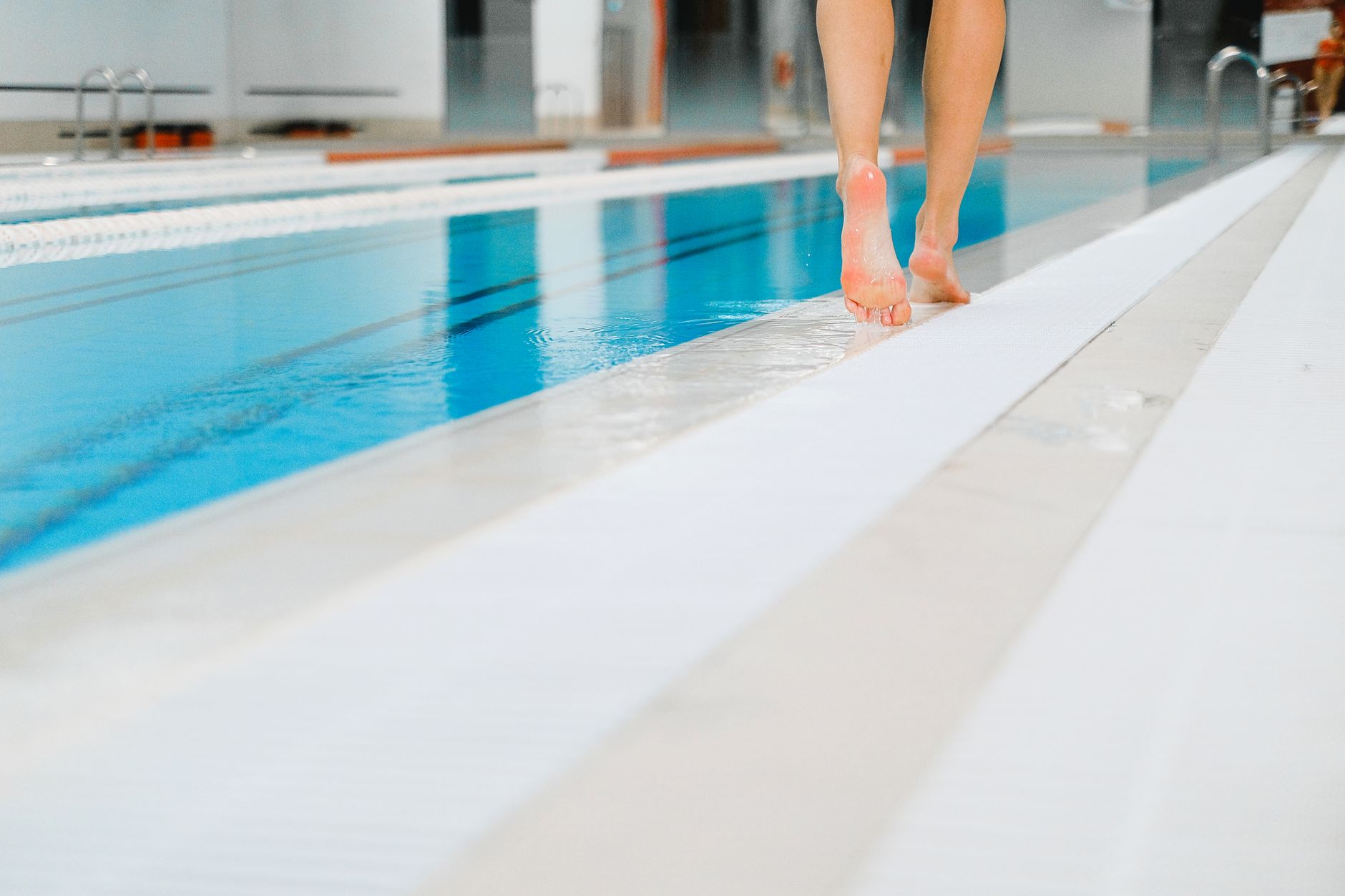
Pool Ph Level: Ideal Range, Testing, and Fixes

Pool pH is a measure of how acidic or basic the water is, and most pools stay healthiest between 7.2 and 7.8, with 7.4 to 7.6 working especially well. That range helps chlorine stay effective, keeps water comfortable, and protects surfaces and equipment.
For pool owners and service techs, the real job is keeping the number steady through weather, bather load, and routine chemical use. Small drifts can turn into irritation, scale, cloudiness, or corrosion faster than most people expect.
The Pool pH Range That Keeps Water Stable
Most pools do best in a slightly basic zone, not at neutral 7.0. The practical ideal pool pH range is 7.2 to 7.8, and many operators aim for 7.4 to 7.6 because it feels good on skin, supports chlorine effectiveness, and is gentler on plaster, vinyl, and metal parts.
That middle band matters because water chemistry is always moving. Rain, splashing, fresh fill water, and aeration all push the reading around, so a pool needs room to drift without crossing into acidic water or overly basic water.
The CDC, EPA, and Pool & Hot Tub Alliance all treat pH as a core part of pool water balance. Their message is plain: clear water can still be off-target, and pH sits at the center of that problem.
Neutral water is not the target
Neutral sounds simple, but a pool is not a lab beaker. A pool pump, bather load, sunlight, and source water all change the number, so a little buffer protects you from sudden swings.
The center of the range gives you that cushion. It also reduces the chance that one dosing mistake sends the water toward scaling on one side or corrosion on the other.
The comfort and equipment connection
Water near 7.4 to 7.6 usually feels easier on eyes and skin. Low pH can sting and corrode metal fittings, while high pH can make water feel slick and leave a chalky film on tile or heaters.
That is why the reading matters beyond the logbook. It shapes swimmer comfort, sanitizer behavior, and the long-term condition of ladders, seals, and finishes, which leads straight into the chemistry behind the number.
That balance matters because pH quietly governs how every other chemical decision performs.
Why pH Changes Everything In Pool Water
A one-point shift can change chlorine chemistry more than most pool owners expect. As pH falls, more free chlorine sits in the more active hypochlorous acid form; as pH rises, more of it becomes the weaker hypochlorite ion. Same sanitizer, very different punch.
That is why a pool can show an acceptable chlorine reading and still act sluggish. At high pH, chlorine loses part of its edge, so cloudy water, odor, and algae pressure can linger even after dosing.
Pool water chemistry works as a chain, not as isolated numbers. Chlorine effectiveness depends on pH, and pH also affects how quickly scale or corrosion starts to show up on surfaces and equipment.
Chlorine works harder in the right range
Free chlorine is the active sanitizer in the water, and pH changes how much of that chlorine is in the most effective form. The CDC and EPA both tie pH control to chlorine performance because disinfection drops as water turns more basic.
In practical terms, a pool at pH 8.0 can carry chlorine yet still sanitize less well than a pool at 7.4. That difference is small on paper and obvious in the water.
Cloudiness, scale, and corrosion all start here
High pH pushes calcium toward scale on tile, heaters, and return fittings. Low pH does the opposite kind of damage, eating at metal parts and roughing up plaster, grout, and seals over time.
Balanced water also stays clearer because suspended minerals are less eager to drop out and cling to surfaces. When water looks dull, the cause is often chemistry, not the filter alone.
| Condition | What You See | What It Does |
|---|---|---|
| Low pH | Stinging eyes, metal haze, etched surfaces | Raises corrosion risk and can shorten equipment life |
| Ideal range | Clear water, calm feel, stable sanitizer behavior | Supports chlorine performance and surface protection |
| High pH | Scale, haze, dull tile, weak sanitizer action | Encourages mineral buildup and reduces chlorine effect |
Total alkalinity belongs in the same conversation because it buffers pH swings, but it is not pH itself. Think of alkalinity as the shock absorber and pH as the current road position; both matter, and one cannot stand in for the other.
Because those two numbers interact, a test only helps when the reading is interpreted correctly.
Reading A Pool pH Test With Confidence
A color strip can get you close, but it can also mislead you in bright sun or after a dirty sample cup. Liquid kits and digital meters offer more detail, yet both go wrong when the reagent is old, the sample sits too long, or the vial carries residue.
The best result comes from clean technique. Grab water from elbow depth, keep wet hands out of the sample, read the result right away, and use fresh reagents under natural light whenever possible.
Accuracy matters because a bad reading sends you to the wrong fix. A pool pH test should be quick, clean, and repeatable, especially after rain, heavy use, or a chemical adjustment.
Test strips and liquid kits do not behave the same
Test strips are fast and handy for routine checks, but the color blocks can be hard to judge near the edges of the range. A liquid phenol red kit gives finer control, which matters when you are chasing a target near 7.4.
Digital meters can help too, provided they are kept clean and calibrated. Taylor Technologies warns that dirty cells, expired reagents, and delayed reading times all distort the result, and that advice lines up with what pool service techs see every season.
A routine that cuts down on bad readings
- Use fresh reagents. Old chemistry fades, and faded reagents give flat, unreliable color.
- Pull a clean sample. Scoop from elbow depth, away from skimmers and returns.
- Read promptly. Standing water can drift a bit and blur the number.
- Match the light. Natural daylight gives a truer read than yellow indoor bulbs.
- Rinse the cell. Residue from other chemicals can tilt the result.
Test after heavy use, rain, or a chemical change. Those are the moments when water chemistry shifts fastest, and a quick reading can keep you from dosing the wrong fix.
Regular pool pH checks belong beside chlorine checks, not after them. Once you trust the reading, the next step is choosing the right correction, because high and low numbers need opposite responses.
A trusted reading still means little unless the fix matches the direction of the drift.
Bringing High pH Back Into Range
High pH needs a measured acid dose, not a blast of chemistry. Muriatic acid or a pH decreaser lowers the number, but it works best in small steps with the pump running so the water mixes before you test again.
High water can look fine and still act tired. Penn State Extension and Hayward both tie elevated pH to cloudy water, scale, and weaker chlorine action, which means the fix should begin before surfaces show white crust or a heater starts sounding rough.
Use the pH decreaser option that matches your comfort level and equipment setup. Muriatic acid works fast, while dry acid products are easier for some owners to handle, but both still need careful dosing and retesting.
Use acid in small, measured doses
Add the product slowly along the deep end or as directed by the label, then give the pool time to circulate. A single large pour can overshoot the target and leave you chasing the number in the other direction.
Muriatic acid is strong, so handle it with care and keep it away from splashes and fumes. pH decreaser granules are easier for some owners to handle, but the dosing still needs patience and a retest.
What high pH does to the water
High pH reduces chlorine effectiveness because less of the sanitizer sits in its more active form. It also encourages calcium scale on tile lines, inside heaters, and on salt cell plates in saltwater systems.
A residential pool at pH 8.0 may still show chlorine on the strip, yet the water can feel dull and look a bit dusty. That is the chemistry talking, not the filter.
When water turns aggressive, the remedy shifts from raising pH to protecting vulnerable surfaces.
Lower the number in stages, then retest before adding more. Overshooting is the fastest way to turn a small correction into a much larger balance problem.
Correcting Low pH Before It Harms Surfaces
Low pH calls for a base product, and it should be used only after the test confirms water is acidic. Sodium carbonate raises pH faster, while sodium bicarbonate tends to lift alkalinity more gently with less change in pH.
Acidic water can feel sharp on skin and eyes, and it can also pull on metal parts, heaters, ladders, and pump hardware. The EPA and Penn State Extension both connect low pH with corrosion and surface damage, which is why a small dip left alone can become a costly repair later.
The choice between sodium carbonate and sodium bicarbonate matters because one raises pH more directly and the other leans toward total alkalinity. That difference helps you fix the actual problem instead of creating a new one.
Choose the right raiser
Soda ash works well when pH sits low and needs a clear upward push. Baking soda is the gentler option when alkalinity also needs help, because it stabilizes the water more than it swings the number.
That distinction matters. A lot of pool owners add the wrong base, then wonder why the pH barely moves or keeps bouncing back after a day or two.
Look for the warning signs of acidic water
Metal fixtures can show dullness, a greenish tint, or early corrosion marks. Plaster can start to feel rough, and grout can lose its clean edge around tile lines.
One spa owner sees this fast because hot water and heavy aeration push pH down or up more quickly than a large pool. In a spa, a small mistake shows up in a day, not a week.
Handle low pH early. A water sample that feels aggressive today can wear down plaster, seals, and heaters long before the damage becomes visible.
Once the acid-base side is under control, the bigger job is keeping the number from drifting every few days. That is where total alkalinity, circulation, and steady habits earn their place.
Even after correction, lasting stability depends on controlling the forces that push pH around.
Keeping pH Steady With Better Water Balance
Total alkalinity buffers pH swings, so a stable pool usually starts there. It does not replace pH, and it does not make a bad reading disappear, but it slows the drift that sends you back to the chemical shelf every other day.
Pentair Pool Learning Center frames the system well: pH, alkalinity, calcium hardness, and sanitizer level work together. When one of them is out of line, the others feel it, and the water gets harder to steer.
Calcium hardness also matters because it influences whether water leans toward scale or corrosion. A balanced pool keeps that pressure low, which helps the pH stay easier to manage over time.
Why alkalinity matters but does not do the same job
Alkalinity soaks up acid and base additions, which is why it acts like buffering in a chemistry class. A pool with low alkalinity can swing hard after rain, shocking, or fill-water changes.
High alkalinity can also push pH upward over time, especially in pools with strong aeration from spillovers, fountains, or return jets. Carbon dioxide escapes, and the water climbs.
A maintenance rhythm that holds the line
- Test every week. Check pH, alkalinity, and chlorine together so the numbers make sense as a set.
- Adjust in small doses. Small moves give you control; big moves hide the cause.
- Run circulation. The pump needs time to blend the chemicals through the full water volume.
- Retest after mixing. A fresh sample shows whether the change worked or just moved the problem.
- Track repeat drift. A pool that climbs every few days may need alkalinity work, not more acid.
Here is a common pattern: a pool fills with hard source water, pH rises after every dose, and the owner keeps adding acid. The real issue is not just pH; it is alkalinity and aeration working together. Fix the buffer, then the pH settles.
Once that rhythm is in place, the number stops feeling like a mystery and starts behaving like something you can steer. The water stays clearer, chlorine works better, and equipment lasts longer.
With those habits in place, the whole system becomes easier to manage day after day.
Wrap Up
The most useful habit is simple: test before you dose, dose in small steps, and retest after circulation. That sequence protects your water, your surfaces, and your wallet far better than chasing a number with guesswork.
FAQ
What is the ideal pH level?
The practical target is 7.2 to 7.8, with 7.4 to 7.6 often giving the best mix of comfort and chlorine performance. Water outside that band can feel harsher, corrode hardware, or let scale form more easily.
How do I test my pool pH level?
Use test strips for a quick check or a liquid test kit for finer control, then take the sample from elbow depth and read it promptly. Clean equipment, fresh reagents, and natural daylight improve accuracy.
What causes pool pH to go up or down?
Rain, aeration, bather load, source water, and chemical additions all move pH. High alkalinity can push it upward over time, while acidic additions and some environmental changes can pull it down.
How do I lower pool pH safely?
Use muriatic acid or a pH decreaser in small measured doses with the pump running, then retest after the water has circulated. Large one-shot additions can overshoot the target and make the chemistry harder to correct.
How do I raise pool pH safely?
Use sodium carbonate when pH is low and needs a clear upward move, or sodium bicarbonate when alkalinity also needs support. Add the product slowly, circulate the water, and check the result before adding more.
Why is my pool water cloudy or irritating even when chlorine is correct?
pH may be outside the ideal range, which changes chlorine effectiveness and can leave water cloudy, dull, or irritating. High pH can also encourage scale, while low pH can make water feel sharp and corrosive.