Don't miss our holiday offer - up to 50% OFF!

Pool Plaster Color: Choose the Right Finish

A subtle tint built into the plaster finish changes how the water looks far more than the shell itself. A white finish can read pale aqua at noon and deeper blue by dusk because depth, sunlight, and nearby deck color all alter the visual result.
That matters when you’re resurfacing a pool and comparing white, gray, blue, quartz, or pebble. You want a finish that looks right on fill day and still makes sense after the first season.
What Plaster Color Really Changes Underwater
The pigment sits in the cementitious finish, so the surface drives the color impression while the water acts like a filter. Water depth, sunlight, sky reflection, and finish value all shape what you see, which is why the same mix can look different from one yard to the next.
Lighter finishes send back more light and usually read as bright blue or aqua. Darker tones absorb more light, so the pool can look richer, deeper, and more lagoon-like. That is the visual tradeoff behind pool plaster color, and it starts before the water ever touches the shell.
Depth And Light Change The Hue
Shallow areas can read greener or brighter than the deep end because the bottom sits closer to the surface. In deeper water, more light drops away before it reflects back, so the same pigment looks darker and more saturated.
Cloud cover, tree shade, and a pale travertine deck all shift the result. A pool beside white concrete often looks bluer than the same finish beside dark stone.
The Finish Does More Than The Pigment
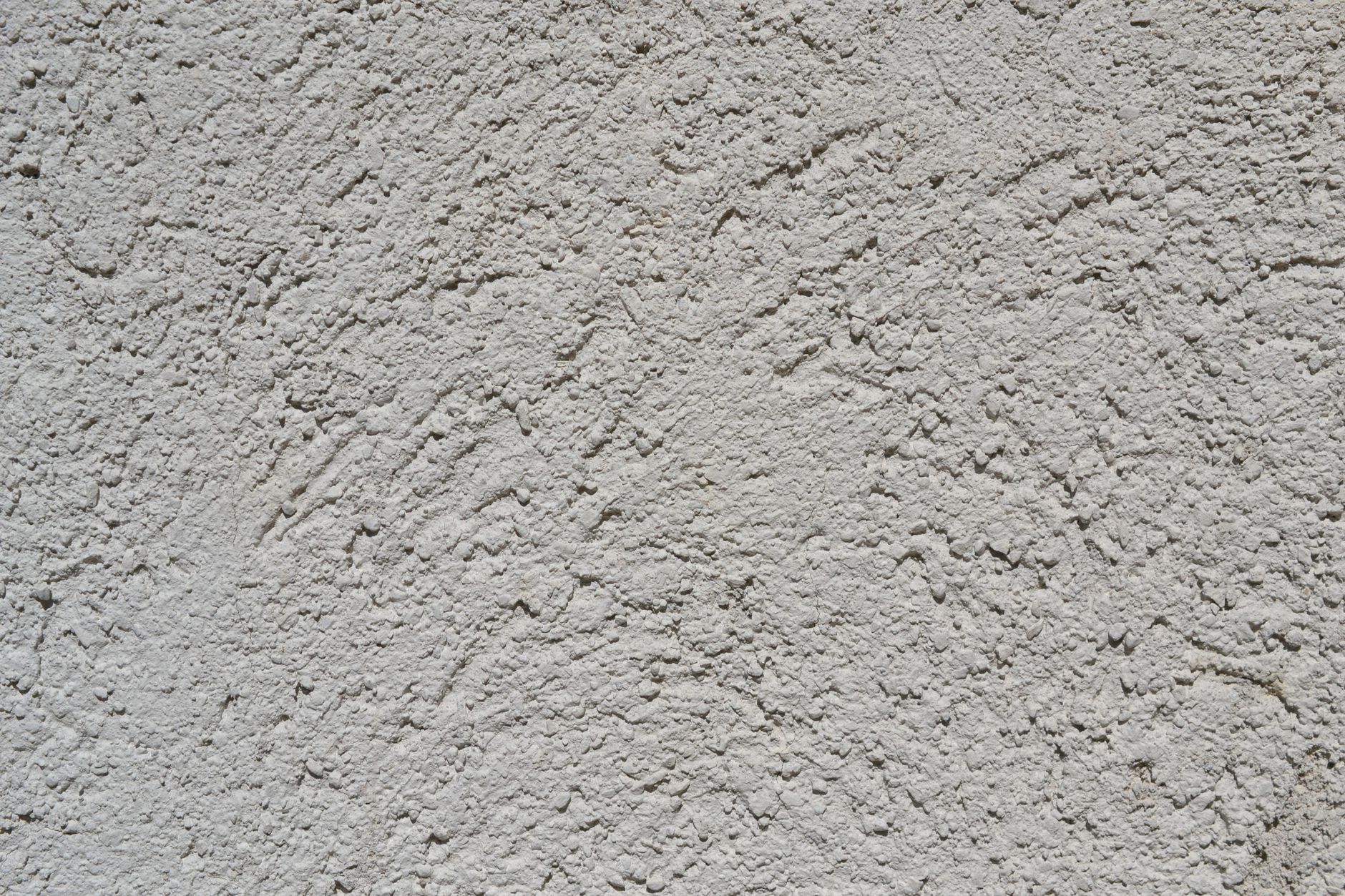
Surface texture, troweling, and cure quality shape the final look as much as the tint. A smooth white plaster finish reflects light in a clean sheet, while a rougher surface breaks it into smaller flashes.
That is why a sample board is only a clue. The board is dry, flat, and usually viewed indoors; a full pool is wet, curved, and lit from above and below. Once that gap is clear, the next step is comparing the real finish families side by side.
That distinction makes the major finish families easier to compare in everyday conditions.
White, Gray, Blue, And Dark Finishes In Practice
White plaster remains the classic choice because it makes water look bright and open. Gray and blue soften glare and push the water toward a more saturated color. Darker shades go further, giving the pool a deeper tone, but they also put every mark under a harsher spotlight.
Here is the practical difference in everyday use, based on National Plasterers Council guidance, UCANR material, and trade coverage from Pool & Spa News. White finishes are easiest to read as clean, while darker finishes can hide small staining at a glance and then reveal trowel marks, patches, or scale later.
| Finish color | Water look | Field behavior |
|---|---|---|
| White | Light blue or aqua | Bright, reflective, and quick to show staining |
| Light gray | Soft blue-gray | Reduces glare and hides small flaws better than white |
| Medium blue | Richer blue-green | More saturated look with moderate visibility of wear |
| Charcoal or black | Deep teal or dark lagoon | Striking look that shows scale, fading, and repair spots sooner |
Diamond Brite and SGM both sell color families that show how naming can drift from reality. A label like Caribbean or midnight suggests a mood, not a fixed result, because plaster mix ratio, curing, and local water chemistry still shape the outcome. That is where sample chips start to mislead.
White Finish Gives The Brightest Water
White plaster usually turns the water a soft blue that feels classic and open. It also gives you the clearest read on debris and waterline residue, which helps during weekly care but can make every speck stand out.
Gray And Blue Soften Glare
Gray and blue finishes flatten harsh sun reflection and give the pool a cooler tone. In many backyards, that middle ground reads calmer than white without looking as dark as charcoal.
Dark Finishes Add Drama And Exposure
Dark colors make water appear deeper, richer, and more saturated. They also make light-colored scale, chlorine staining, and patch repairs pop faster, so the finish can look moody on opening day and unforgiving by midsummer.
That contrast sets up the real trap: a sample chip never lives in the same light, depth, or texture as the finished pool. The next section gets into that gap.
Because samples travel differently than installed surfaces, the mismatch deserves a closer look.
Why Sample Chips Rarely Match The Finished Pool
A dry chip reflects light from a tiny flat surface; a filled pool reflects light from several feet of moving water. Color-measurement principles explain why that shift matters: color changes with illumination, gloss, texture, and viewing angle, so the eye never sees the chip and the pool the same way.
Curing matters too. Fresh plaster hydrates for weeks, and the hydration of cement can leave the finish lighter, cloudier, or blotchier before it settles. Mix consistency, trowel pressure, fill timing, and brushing all shape the final tone. A mottled look in the early weeks does not automatically mean a defect.
Ask for a wet sample in outdoor light, then compare it beside your waterline tile and coping. A showroom swatch under indoor lighting can be miles away from the real thing.
Curing Changes The Color You See
New plaster does not lock into one color on day one. Calcium hydroxide forms as cement hydrates, and that surface chemistry can make the finish look softer or patchier until the first month settles out.
That is also why startup water balance matters so much. Aggressive water can pull minerals from the surface, while poorly controlled fill water can leave streaks, scale, or uneven shade.
Mottling Is Part Of Cement Based Finishes
Surface mottling is common in cementitious finishes, and slight variation does not always mean bad work. The mineral matrix, troweling pattern, and pigment distribution all interact during cure, which gives plaster a lived-in look rather than a painted one.
Where this becomes visible is on dark plaster, especially around lights and steps. The deeper the shade, the more a subtle swirl or patch can show once sunlight crosses the floor. That is why quartz and pebble finishes draw so much attention next.
Sunlight can reveal more than expected, which is where quartz and pebble stand apart.
Quartz And Pebble Finishes Offer A Different Look
Quartz and pebble finishes interrupt the flat pigment field that plain plaster creates. Quartz aggregate gives a speckled, more uniform look, while pebble finish color comes from stone, cement, and pigment working together, which adds texture and depth.
That texture matters in real water. The surface scatters light, so small shade swings and minor blotching hide better than they do on smooth plaster. Pool & Hot Tub Alliance materials, plus product lines from PebbleTec and Diamond Brite, point to the same design truth: aggregate changes both color and wear behavior.
| Finish type | Visual result | Practical feel |
|---|---|---|
| Plain plaster | Clean, uniform surface with the most direct pigment read | Smoother look, more sensitive to mottling |
| Quartz | Speckled color with a steadier water hue | Harder feel and less blotchy appearance |
| Pebble | Natural, variegated tone with visible texture | Most organic look, with the strongest visual depth |
A medium blue quartz finish can hold a steadier water color than plain colored plaster because the aggregate breaks up large flat areas of tint. Pebble surfaces go further, and the exposed stones mask minor shade differences that would stand out on a smooth shell.
One tradeoff deserves attention: texture changes the feel underfoot. Pebble can look richer and age better visually, but some homeowners still prefer the softer appearance of standard plaster. Once that choice is clear, maintenance becomes the deciding factor.
Durability matters too, since appearance alone rarely settles the decision for long.
Maintenance Tradeoffs That Come With Each Shade
Darker finishes expose more of the surface story. Scale, trowel marks, patching, and efflorescence show faster against charcoal or deep blue, while light plaster gives dirt and waterline residue more room to show. The National Plasterers Council treats that as a visibility issue, not a flaw in the pigment itself.
New plaster is most sensitive in the startup window. Water that is too aggressive can etch the surface and shift the color unevenly, while fill water with iron can leave a brown cast that reads stronger on white and light gray. Muriatic acid has a place in cleanup and balance correction, but harsh or poorly timed acid washing can strip paste and alter the look of the finish.
Keep the first brushing schedule tight and the water chemistry steady during cure. That one habit does more for color evenness than any sample board ever will.
- Brush during startup. Loose plaster dust can settle unevenly and leave a streaked look.
- Watch LSI balance. Water that pulls calcium from the surface can change tone and texture.
- Limit acid shock. Strong acid corrections can lighten the finish and expose patch lines.
- Track scale early. White deposits stand out sharply on dark blue and charcoal shells.
- Test fill water. Iron, copper, and hardness shape stains more than pigment alone.
Chlorine staining is another visual issue, especially around steps and skimmers where circulation slows. A light finish may show the stain sooner, but a dark finish can make the same mark look chalky and abrupt. That brings the choice back to design, because the best shade has to fit the whole yard, not just the plaster truck sample.
Design choices carry practical weight, especially when the surrounding landscape changes the read.
Matching The Finish To Your Pool And Landscape
A finish reads best when it works with tile, coping, deck color, and the planting around it. Light stone and white waterline tile pull a pool toward a crisp resort look, while darker coping, olive trees, and boulders lean natural and grounded. The surrounding hardscape changes pool surface reflectivity as much as the pigment does.
Pool finish color selection gets easier once you name the mood you want. Classic, resort-style, natural, and bold each point toward a different family of color and texture. A white plaster pool beside pale concrete feels open; a dark gray pebble pool beside slate and grasses feels deeper and earthier. The water is the same water. The setting does the styling.
Use The Yard As The Color Reference
Take the finish chip outside and set it beside the coping, not under indoor lights. Morning sun, afternoon glare, and evening LED lighting can make the same gray read blue, green, or beige.
That shift matters with LED pool lights, too. Cool LEDs can push a neutral finish toward blue after dark, while warmer lights soften the edge. Night and day are separate color scenes.
Choose For Upkeep As Much As Style
White vs dark pool plaster is not a simple beauty contest. A darker finish can hide dust between cleanings, but it may ask for tighter water care to avoid blotching and scale. A lighter shell can feel more forgiving during cure, yet it reveals staining and residue faster.
So the cleanest choice is the one you can live with for years, not the one that looks bold in a brochure. Pool plaster color options are wider than they seem, but the same rule applies to all of them: match the finish to your water, your light, and your patience.
Those variables may seem small, yet they shape the final result just as much.
Final Thoughts
The right finish changes water color, not just surface color, and that visual shift starts with light, depth, and cure quality. Pick the shade that fits your yard and your upkeep habits, and you give the pool a look that still makes sense after the first season, not only on fill day.
FAQ
How does pool plaster color affect the color of the water?
It changes the way light reflects from the floor and walls, so the water reads brighter, deeper, bluer, or greener depending on the finish. White plaster tends to give a pale aqua look, while darker finishes push the pool toward a richer teal or lagoon tone.
What are the most popular pool plaster color options?
White, light gray, medium blue, and darker blue-gray remain the most common choices. White gives the classic look, gray softens glare, and blue shades add depth without moving all the way to a dark shell.
Why does new pool plaster look different from the sample color?
The sample is dry, flat, and small, while the finished pool is wet, textured, and seen through several feet of water. Curing, mix ratio, sunlight, and water chemistry also shift the final look during the first weeks.
Does dark pool plaster show more mottling or staining?
Yes. Dark finishes make patching, trowel marks, scale, and efflorescence stand out more clearly because light deposits contrast sharply against the darker field. That does not mean the finish is failing, only that the visual contrast is stronger.
How long does pool plaster take to cure to its final color?
Most cementitious finishes continue changing for several weeks, and the first 28 days matter most. The surface can look lighter or cloudier at the start, then settle as hydration continues and the water chemistry stays balanced.
Are quartz and pebble finishes easier to keep looking even?
They often are, because the aggregate breaks up large flat color fields and softens small variations. Quartz gives a more uniform speckled look, while pebble adds texture that hides minor shade shifts and wear.